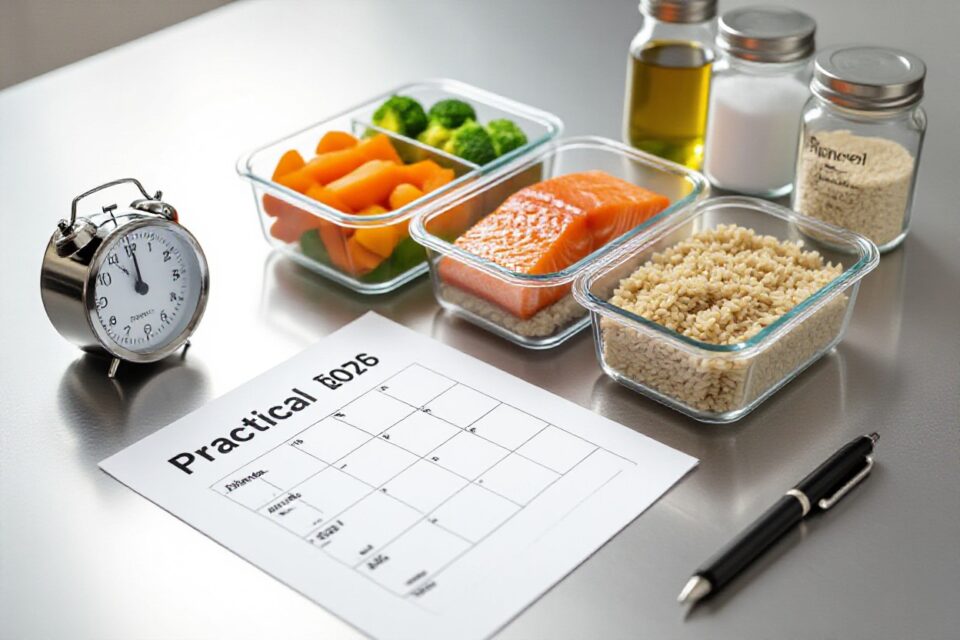
Most days, do you eat on autopilot and then wonder where all the food (and energy) went? In this guide, you’ll see how mindful eating helps you stop chasing fad diets and start paying attention to what your body’s actually telling you. You’ll learn how to slow down, tune into hunger cues, and spot the sneaky habits that quietly add extra weight.
When you bring awareness to every bite, you make smarter food choices, enjoy meals more, and feel in control again. That’s how you create sustainable weight management that still lets you enjoy your favorite foods.
What’s the Deal with Mindful Eating?
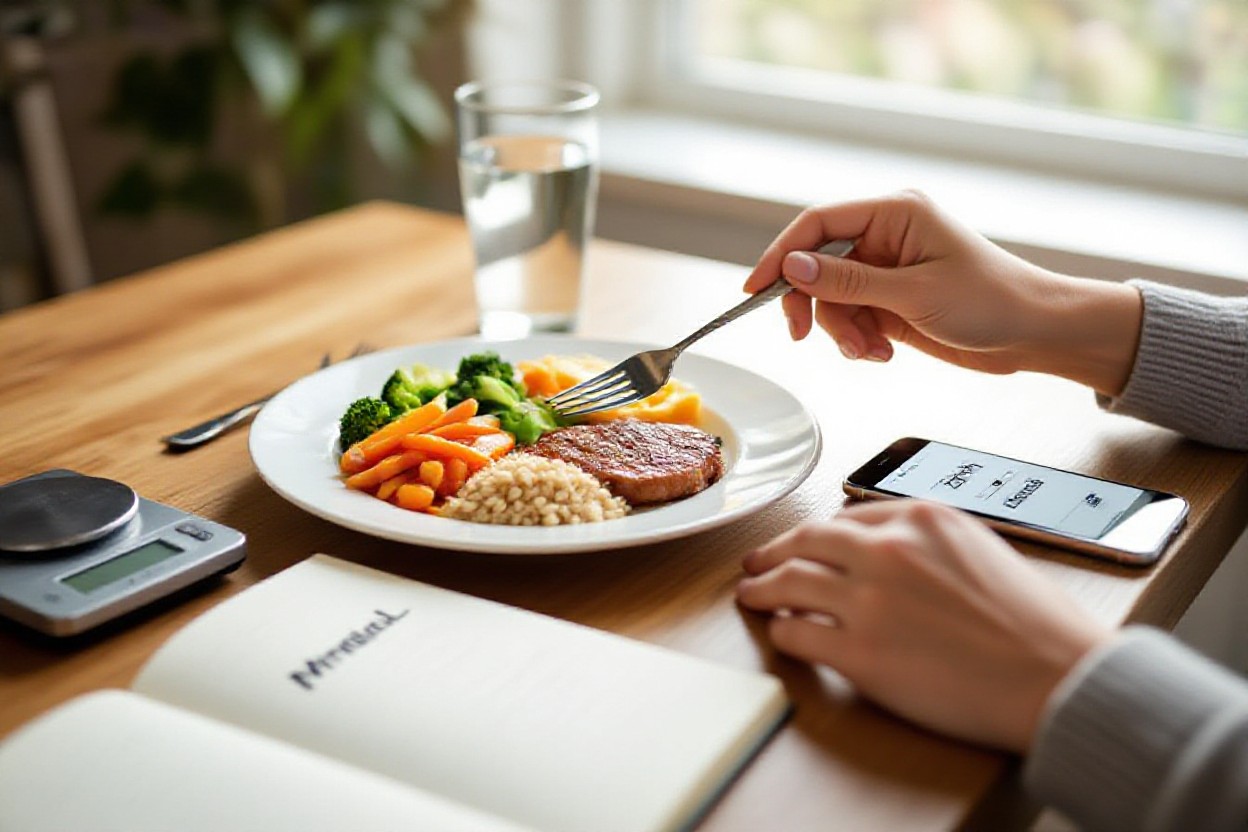
Lately, mindful eating videos are all over TikTok and Insta, but you’re not just chasing a trend here, you’re training your brain to stop eating on autopilot. Instead of wolfing food down in 7 minutes (yep, that’s the average), you slow things up, notice flavors, textures, and your actual hunger signals. You start eating because your body asks for it, not because Netflix is on or stress hits, and that subtle shift changes how much, how often, and why you eat.
Understanding the Basics of Mindful Eating
In simple terms, mindful eating is you paying attention on purpose while you eat, without beating yourself up. You listen for your hunger on a scale from 1 to 10, you chew long enough to taste your food, and you pause halfway through to ask if you’re satisfied or just chasing the next bite. That tiny pause between forkfuls is where your long-term weight management actually starts, because it gives your brain time to catch up with your stomach.
Why Mindful Eating is a Game Changer for Weight Management
What really flips the script is how mindful eating quietly reduces your intake without any “can’t have this” diet rules. Studies from 2023 showed people using mindful eating skills cut binge episodes by up to 70% and naturally lowered daily calories. You’re not white-knuckling portion sizes, you’re just stopping when your body’s had enough, which is wildly more sustainable than counting every gram forever.
In practice, that might mean you sit down with your usual 600-calorie dinner, eat slowly for 15 minutes, then realize you’re satisfied after about two-thirds, so over a week you shave off 1,200 to 1,500 calories without feeling deprived at all. Some coaching programs have tracked clients who used a simple “3-bite check in” rule and saw waist measurements drop 2 to 4 cm in a month, with zero food bans. Because you’re dialing down emotional and distracted eating, you’re cutting the sneaky calories that usually fly under the radar, like finishing your kid’s leftovers or grabbing that extra snack just because it’s there, and that’s where your steady, realistic weight loss starts to show up.
Why I Think You Should Try It
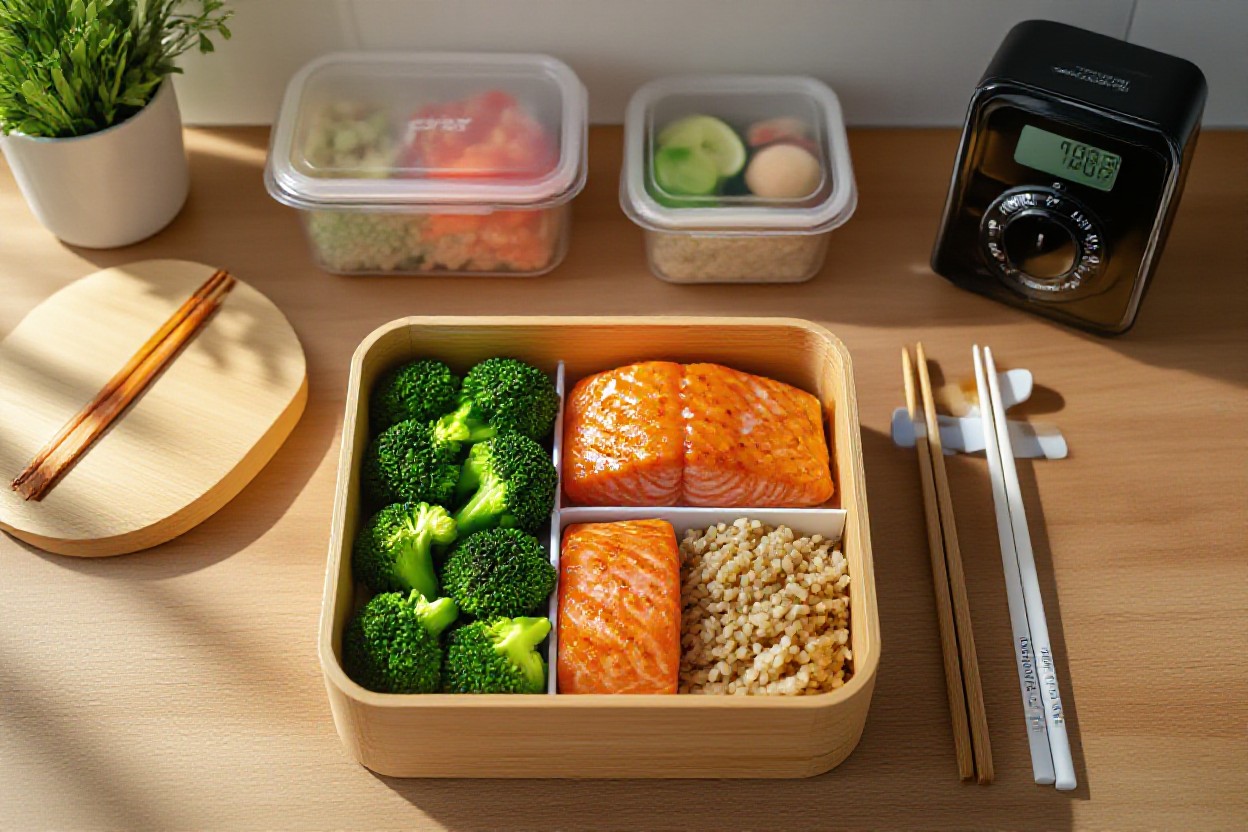
You might not expect this, but mindful eating often helps you eat less without feeling deprived, simply because you’re actually tasting your food and noticing when you’re satisfied. Instead of white-knuckling your way through another strict plan, you get a way to manage weight that fits into busy days, social dinners, even late-night snacks. You start trusting your body again, which quietly cuts your daily intake by 200-300 calories on average, and that adds up fast over a few months.
The Benefits You Didn’t Know About
Most people only link mindful eating with weight loss, but you also get bonus perks like better blood sugar control, fewer 3 pm crashes, and way less emotional snacking. Because you’re slowing down, your digestion improves, bloating often drops, and some folks report sleeping better within two weeks. You also reshape your brain patterns: MRI studies show more activity in areas tied to self-control, which is like building an internal brake pedal for late-night munchies.
Real-Life Changes I’ve Seen
In real life, it looks a lot less fancy than social media makes it seem, but the results hit harder. Clients who used to inhale lunch in 5 minutes now finish half, feel satisfied, and naturally cut 300-400 calories a day without tracking a single macro. One woman dropped 18 pounds in 5 months just by pairing mindful eating with a 10-minute daily walk, no keto, no detox tea. And the wild part is, her binge episodes went from 3 times a week to maybe once a month.
One of my favorite examples is a guy who swore he was “just a big eater” and had zero willpower around chips. After 4 weeks of mindful eating practice, he kept the chips in the house, ate them on a plate, no phone, no Netflix, and his intake went from a whole bag to 10-15 chips. Another client who used to snack mindlessly while working from home started using a 3-bite check-in rule and cut her afternoon grazing by half, which translated into 8 pounds down over 10 weeks, plus way fewer sugar crashes. You start noticing stories like this stacking up, and you realize it’s not magic, it’s just consistent micro-changes that quietly snowball into real, measurable progress.
How-To Get Started with Mindful Eating
You can flip your whole eating experience in a single week if you treat it like a tiny experiment, not a massive life overhaul. Start by choosing just one meal a day where you eat without your phone, Netflix, or email, and simply track how full you feel on a 1-10 scale before and after. Over a 7-day stretch, you’ll usually see patterns like late-night snacking dropping by 15-20%. Assume that this is you building skill, not chasing perfection.
Simple Tips to Make it Work for You
Small, consistent tweaks beat hardcore willpower every time, especially when your schedule is wild. Try eating the first 3 bites of every meal in total silence, then pausing your fork for one full breath between bites so your brain can actually register fullness. People who slow their pace like this often cut 100-200 calories per meal without feeling deprived. Assume that those tiny shifts in awareness, hunger cues, and portion control add up faster than any fancy diet.
- Use a smaller plate to nudge natural portion control without counting every calorie.
- Rate your hunger levels before eating so you stop autopilot snacking.
- Set a 10-minute timer to stretch out meal timing and give fullness cues time to kick in.
- Keep high-protein, high-fiber snack choices visible and stash trigger foods out of sight.
- Assume that repeating these tiny habits daily will quietly reshape your eating patterns.
Easy Steps to Incorporate It into Your Daily Routine
Morning habits set the tone, so you might start with one simple rule: no multitasking during the first thing you eat or drink, even if it’s just your coffee and a banana. Pair existing rituals like making lunch or packing your gym bag with a 30-second check-in on your stress and hunger levels. Over a month, clients who link mindful eating to fixed routines like this report fewer binge episodes and more stable energy across their workday. Assume that your routine becomes your willpower.
In practice, you’ll get the best traction by anchoring mindful eating to cues that already exist in your day, almost like setting up dominoes. Every time you open the fridge before 3 pm, you pause and rate hunger from 1-10; every time you sit at your desk with food, you take 3 slow breaths before the first bite; every night after brushing your teeth, you quickly review what meal felt the most satisfying and why. These tiny check-ins give you data on what actually keeps you full, so maybe you figure out that 20 grams of protein at breakfast keeps you from raiding the pantry at 9 pm. Assume that each of these little systems is quietly rewiring how you relate to food, even when your day feels chaotic.
The Real Deal About Food Choices
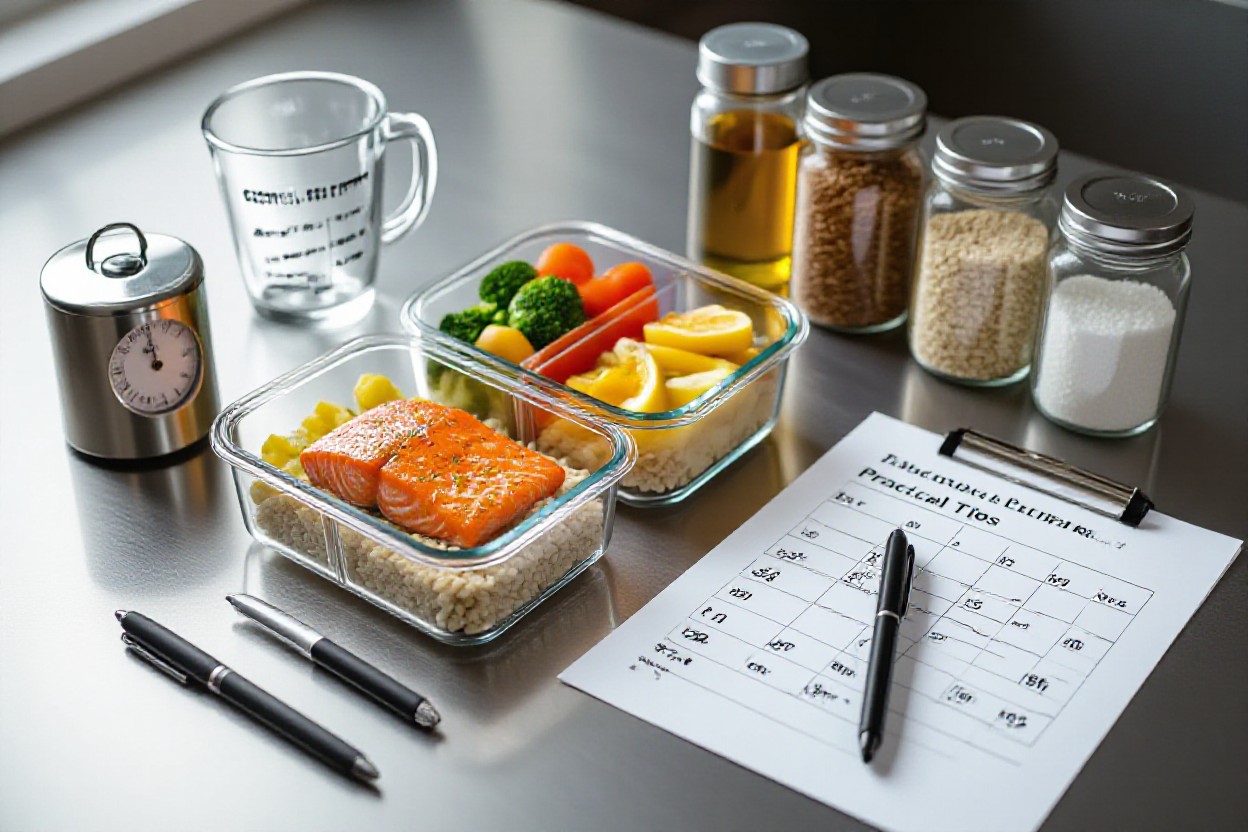
Your daily food choices quietly decide whether mindful eating actually helps you lose weight or just feels like another good idea that never lands. You might nail hunger cues, but if your default is ultra-processed snacks, your body keeps craving more because those foods are engineered to be hyper-palatable. Research shows people eat about 500 extra calories per day on heavily processed diets, often without noticing. So your job isn’t perfection, it’s building an environment where the easy choice is usually the better-for-you choice, not the one that leaves you hungrier an hour later.
Factors That Affect What We Eat
What lands on your plate isn’t just about willpower, it’s this mash-up of habits, marketing, mood and what happens to be in your kitchen at 8 p.m. after a long day. Supermarkets literally design layouts to steer you toward impulse foods, and studies show you eat more when your plate size is bigger or your phone is out. Add in stress, sleep deprivation, culture, money, and the people you eat with, and it gets messy fast. Knowing these forces are shaping you means you can start flipping them in your favor instead of fighting them blind.
- Environment – kitchen setup, plate size, lighting, food visibility
- Emotions – stress, boredom, reward-seeking, comfort eating
- Social pressure – family habits, parties, office snacks, traditions
- Marketing – labels, health halos, portion tricks, placement
- Budget & access – income, time to cook, store options, transport
- Sleep & stress – hormones that drive hunger and cravings
Knowing these triggers exist lets you stop blaming yourself and start adjusting the levers you can actually control, even if it’s just one tiny thing this week.
How to Make Smarter Food Choices
Smarter food choices aren’t about being perfect, they’re about stacking the odds in your favor so most of your meals quietly support your goals. You don’t need a gourmet meal plan; you need a few default options that are high in protein, plenty of fiber, and low in ultra-processed stuff that leaves you hungrier. Small upgrades like swapping sugary drinks for water, or adding veggies to a frozen pizza, can shave off 100-300 calories a day without feeling like punishment. Knowing you can “upgrade” what you’re already eating instead of starting from scratch makes this way more sustainable.
When you’re trying to actually do this in real life, start with what you already eat 80 percent of the time and tweak that first. If breakfast is usually cereal, for example, bump up the protein with Greek yogurt or eggs and watch how your 11 a.m. snack attack calms down because higher protein has been shown to naturally reduce hunger and overall calorie intake. Same with fiber: adding a cup of veggies or beans to lunch can keep you full for hours, which matters if your afternoons usually end in a vending-machine raid.
So instead of obsessing over “clean eating”, aim for what I call the 60-20-20 approach: about 60 percent of your food coming from minimally processed stuff like fruits, veggies, lean protein, whole grains, 20 percent from convenience foods you upgrade (frozen meals plus extra veg, rotisserie chicken plus salad), and 20 percent fun foods you enjoy on purpose, not by accident. That mix is realistic for most people, including busy parents and shift workers, and studies on long-term weight maintenance show consistency beats strict rules almost every time.
Another underrated move is pre-deciding a few “go-to” meals and snacks so you aren’t negotiating with yourself when you’re tired, stressed, or scrolling. For example: a simple rotation like oatmeal with berries and nuts for breakfast, a protein-forward lunch bowl (chicken, rice, veggies, sauce), and a snack of fruit plus nuts or cheese. Because your brain loves autopilot, the more you repeat these, the easier they become, and you free up mental energy for areas of your life that actually need it instead of arguing with a bag of chips at 9 p.m.
Don’t Skip This: Tuning into Your Body
On TikTok right now, “body whispering” is trending, but you don’t need a trend to tell you that your body already sends pretty clear signals. Your job is just to stop bulldozing over them. When you pause before eating and ask, “Where am I on a 1-to-10 hunger scale?” you start catching those subtle cues: the light stomach flutter around a 3, the low energy slump at a 4, the headache and irritability at an 8. Over a few weeks, you’ll see patterns that explain why certain meals help you lose weight without feeling like you’re white-knuckling it.
Listening to Your Hunger Cues
Some nutrition researchers talk about “early hunger signals” for a reason: by the time you’re at a 9 on that 1-to-10 scale, you’re way more likely to overeat by 300 to 500 calories. You can interrupt that spiral by doing a 10-second check-in before meals and mid-meal: stomach sensations, energy level, mood, even how food tastes. If the flavor drops off or you feel comfortably at a 6 or 7, that’s your body quietly saying, “You’ve had enough”, even if there’s food left on the plate.
Recognizing Emotional Eating
Over the last few years, studies keep finding the same pattern: people who eat from stress or boredom tend to consume 20% to 40% more calories without even noticing. You can spot this in yourself by asking one simple question: “Is this hunger in my stomach or in my head?” Stomach hunger builds slowly, feels physical, and is open to different foods. Emotional hunger? It hits fast, is super specific (like “I need chocolate now”), and usually arrives with tension, racing thoughts, or that wired-but-tired feeling.
In practice, you might notice emotional eating pop up at 9:30 p.m. after a rough Zoom meeting or right after scrolling through triggering news, when your stomach isn’t actually asking for anything. You reach for chips, not because you’re at a 3 on the hunger scale, but because you’re at an 8 on the stress scale, and food has become your shortcut to numb out. So try this tiny experiment: when a craving hits, set a 5-minute timer and check in with your body – jaw tight, chest heavy, mind buzzing, all classic emotional signals. If the craving fades even a bit in those 5 minutes, it probably wasn’t physical hunger, and you just proved to yourself you have more control than your brain’s “snack now” autopilot wants you to believe.
What’s the Best Way to Practice Mindfulness?
You don’t need a meditation retreat to eat mindfully, you just need a few repeatable habits that train your brain to slow the heck down. Studies show it takes about 66 days on average to lock in a new habit, so your goal isn’t perfection, it’s consistency. You might start with one mindful meal per day, or even just the first 5 bites, and stack it onto stuff you already do, like your usual lunch break. Over a month, that tiny window of awareness can ripple out into steadier hunger signals and fewer binges.
Techniques to Stay Present While Eating
One simple move is to use the “3-breath rule” before you eat, which research from UCSF shows can cut automatic snacking by up to 30% in some people. You pause, take three slow breaths, then notice the smell, color, and texture of your food before the first bite. As you chew, you count to 10 in your head or put your fork down between bites so you can’t just shovel. When your mind wanders to emails or stress, you gently drag your focus back to taste, crunch, and satisfaction like you’re tuning a radio.
Creating a Mindful Eating Environment
Shaping your space is sneaky but powerful, because your environment makes half your decisions for you. Turning off screens, clearing the table, and using a smaller plate can cut your intake by around 20% without you feeling cheated, according to portion-size studies from Cornell. You sit, you plate your food, you eat at a table – not hunched over the sink or in the car. Even adding a glass of water, a napkin, and decent lighting signals your brain that this is a real meal, not a mindless snack attack.
What really changes the game is treating meals like mini rituals, not background noise. You might light a candle at dinner, always sit in the same chair, or use a specific bowl for meals you want to savor, which sounds silly but it cues your brain, “slow down, this matters”. Research on “context-dependent habits” shows that consistent cues like this can make mindful choices up to 2 times more likely because you don’t rely on willpower in the moment. You also clear clutter near where you eat, stash tempting snacks out of sight, and keep water or tea visible, so the default options around you quietly nudge you toward the way you actually want to eat most days.
Final Words
With these considerations, mindful eating in 2026 ends up feeling less like another diet rulebook and more like you finally calling the shots with your food choices. You slow down, you notice, you choose – instead of autopilot snacking running the show. If you want to go deeper, you can explore programs like Mindful Eating: Transforming Your Relationship With Food and use those ideas to shape your own routine.
