
Just picture this: it’s 2 a.m., your room is quiet, your body is tired, but your mind is racing like it’s doing physics at light speed and you can’t hit the off switch. You’re not broken, your brain’s just reacting to chemistry, habit, and a noisy environment that you barely notice anymore. In this post, you’ll explore how simple herbs like chamomile and valerian, plus small nighttime rituals, can gently nudge your nervous system toward real, deep sleep – the kind that actually repairs your brain.
You’ll also see where modern research backs up ancient traditions, and where it warns you to be careful, because even “natural” stuff can be powerful or risky if you overdo it or mix it with the wrong meds. For a science-backed overview of different options, you can check Natural Sleep Aids: Home Remedies to Help You Sleep while you read.

Why Herbs Might Be Your New Best Friend for Sleep
Roughly 80% of the world’s population still uses herbal remedies, and your sleep might be one of the reasons why. Instead of flipping on a screen at midnight, you can lean on plants that have been quietly tested in real life for centuries, then backed up by modern lab data. Some herbs interact with GABA receptors, some tweak cortisol, some simply nudge your nervous system out of overdrive and that layered effect can be exactly what your wired, tired brain has been begging for.
Lavender – The Soothing Superstar
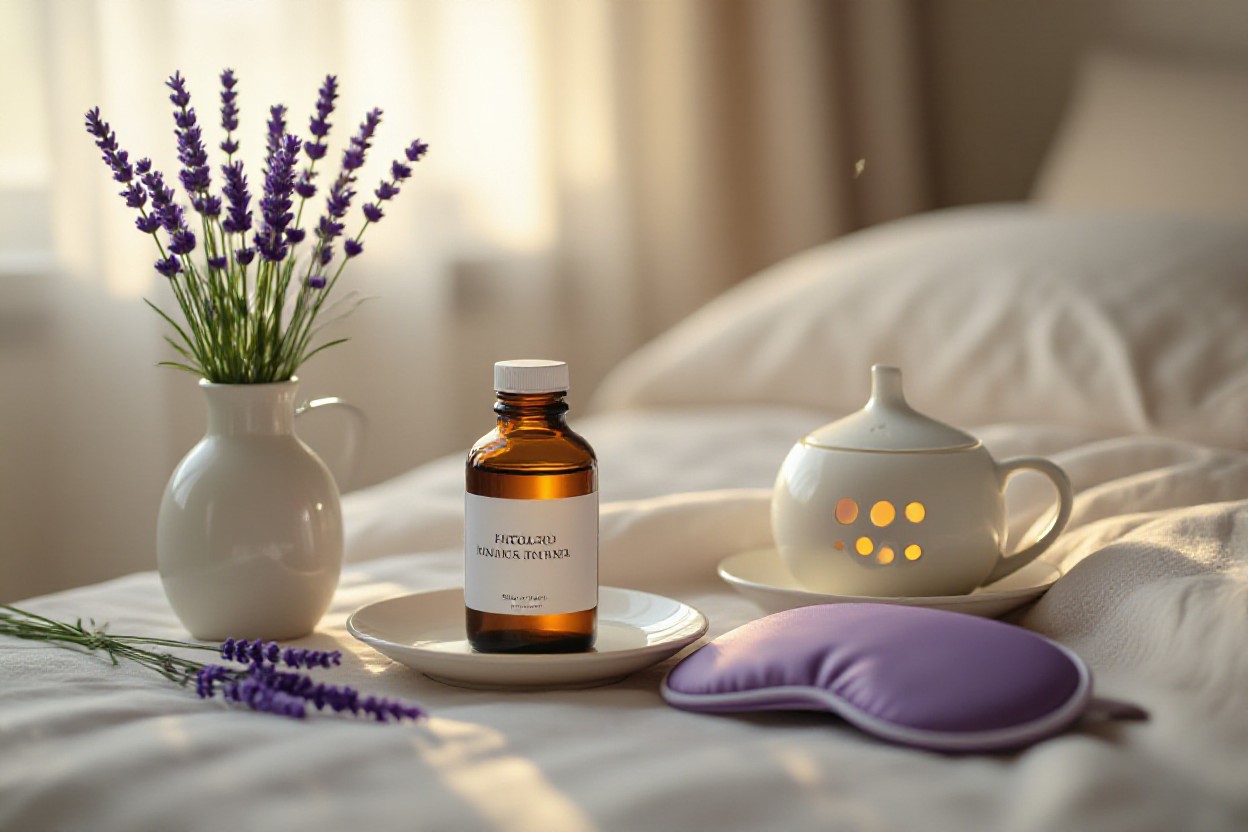
Clinical trials show lavender oil can cut anxiety scores by up to 45%, which is huge when your brain won’t shut up at 3 a.m. You might use a few drops of lavender vital oil on your pillow, run a diffuser while you read, or sip a light lavender tea about 30 minutes before bed. Its compounds like linalool act on your nervous system so your heart rate eases, muscles unclench, and that wired feeling slowly backs off, giving your natural sleep drive room to do its job.
Chamomile – The Gentle Giant of Relaxation
One small study found that new parents who drank chamomile tea for just 2 weeks reported significantly better sleep quality, which is kind of wild given their chaos levels. You’re basically getting a mild, plant-based nudge to your GABA system from compounds like apigenin, without the heavy hangover of stronger sedatives. A simple mug of chamomile 30-45 minutes before bed can start to feel like a nightly ritual for your nervous system, signaling, quietly but firmly, that it’s time to power down.
What makes chamomile particularly interesting for you is how broad its effects are, it’s not just about feeling drowsy. You get gentle muscle relaxation, a bit of anti-inflammatory action, and a calming effect on your digestive system, which matters if your gut tends to act up when you’re stressed. Researchers have even seen modest reductions in generalized anxiety with standardized chamomile extracts, so when you drink that pale yellow tea, you’re not just chasing a folk remedy, you’re tapping into a plant that’s been run through randomized trials. If you’re worried about safety, most people tolerate it really well, though if you’ve got ragweed or daisy-family allergies, you’ll want to go slow or skip it altogether, since cross-reactions can happen.

My Go-To Sleep Rituals that Actually Work
Instead of cramming hacks from a dozen podcasts, you build a simple ritual that your brain starts to treat like a biological off-switch. You dim the lights, sip a small cup of non-caffeinated herbal tea, maybe 200 ml at most, and read 8-10 pages of a low-drama book. Over a couple of weeks your nervous system starts to predict sleep from these cues, and that prediction itself lowers cortisol and nudges your body into deeper, more stable sleep.
The Magic of a Bedtime Routine
Think of your bedtime routine like a lab experiment you run on yourself every night, just with softer lighting and better pajamas. You might stack 3 simple cues in the same order: warm shower, journal for 5 minutes, then 10 slow breaths in bed. Studies on habit formation suggest you need roughly 21 to 66 nights of repetition for your brain to wire this in, so you treat it like data collection, not perfection, and you adjust the protocol instead of blaming your biology.
Why Dim Lighting is a Game Changer
Instead of blasting your eyes with ceiling LEDs at 10 p.m., you flip on a single warm lamp and suddenly your brain starts acting like it’s actually nighttime. You cut overhead light to maybe 30% of normal brightness and shift color temperature toward amber, which helps your pineal gland release melatonin instead of suppressing it by up to 80%. You feel a bit slower, a bit quieter inside, and that’s the point – you’re telling your body “we’re landing the plane now”, not starting another flight.
Because your eyes feed directly into your circadian clock in the suprachiasmatic nucleus, the amount and type of light you see after sunset can either wreck or repair your sleep. When you swap a bright 5000K bulb for a 2700K lamp and dim it for the last 60-90 minutes before bed, you reduce blue light exposure that otherwise keeps your inner clock stuck in daytime mode, so melatonin release starts earlier and peaks higher. And if you add software like f.lux or built-in Night Shift, plus a simple rule like “no unfiltered screens 60 minutes before bed”, you stack the odds massively in favor of falling asleep faster and staying asleep longer.
Seriously, Have You Tried Meditation?
You know that thing where you’re exhausted but your brain’s acting like it’s had three espresso shots? Meditation is basically you pulling the plug on that mental power surge, and it’s not just hippie folklore either – in one Stanford review, brief daily practice cut anxiety scores by about 30%. You train your brain to downshift on command, a bit like switching from frantic scrolling to airplane mode, and when you pair that with consistent sleep times, your odds of sliding into deep, uninterrupted sleep go way up.
Mindfulness Techniques That Calm the Chaos
In those weird minutes when you’re flat on your back counting all the ways tomorrow could go wrong, this is where mindfulness earns its keep. You anchor your attention on your breath or on that heavy, sinking feeling in your legs, then gently pull it back every time it wanders – no drama, no self-blame. Clinical trials show that 8 weeks of basic mindfulness practice can cut insomnia severity by up to 50%, mostly because you’re training your brain to stop treating every late-night thought like a fire alarm.
Guided Imagery – Taking Your Mind on a Vacation
On those nights when your head feels like a badly organized browser with 37 tabs open, guided imagery lets you click “close all” and mentally walk into a completely different scene. You picture a beach, a forest trail, or even your grandmother’s kitchen, and you load it with sensory detail – salt in the air, creak of the floorboards, warmth on your skin. In one hospital study, people using guided imagery before bed fell asleep about 20 minutes faster, basically because your brain can’t obsess over your inbox and fully inhabit a quiet lakeside at the same time.
What really makes guided imagery work for you is the sheer level of detail you feed your brain, so instead of just thinking “beach”, you notice the grit of sand under your heels, the slow pull of the tide, the low rumble of water that feels almost like white noise. Your nervous system responds to imagined scenes surprisingly like real ones, which is why athletes use this stuff to practice under pressure and why bedtime imagery can drop your heart rate by 5 to 10 beats per minute in about 10 minutes. You can grab a 10-minute audio track on any meditation app, or just record your own script on your phone, talking yourself through a familiar place that feels safe, predictable, boring in the best way. Over a couple of weeks your brain starts to associate that same scene with sleep so when you hit play, or even just start the story in your head, it’s like flipping a very quiet, very nerdy off-switch.
The Real Deal About Sleep Hygiene – What’s It All About?
What usually shocks people is that your brain treats bedtime almost like a lab experiment: it waits for the same conditions, the same cues, over and over. Sleep hygiene is basically you engineering those conditions on purpose – dimmer lights at 10 p.m., no blue light in your face, lighter evening meals, caffeine cut off 6 hours before bed, phone out of reach. You’re not relying on willpower here, you’re building a system that quietly nudges your biology toward sleep without a nightly battle.
Your Sleep Environment – Make It Cozy
Most folks don’t realize your bedroom is basically a life-sized signal to your nervous system. When it’s cool (around 65°F or 18°C), dark enough that you can’t see your hand clearly, and quiet or filled with low white noise, your body reads that as “safe to power down”. You’re helping melatonin do its job by ditching bright overhead lights, hiding LED glows, and keeping your bed for sleep, sex, and nothing else. The cozier and more predictable it feels, the faster your brain shuts up at night.
The Importance of a Regular Sleep Schedule
What surprises a lot of people is that your sleep timing matters almost more than how long you sleep. You’ve got an internal clock in your brain, the suprachiasmatic nucleus, that loves boring consistency: same sleep and wake time, every day, even on weekends where you’re tempted to drift 2-3 hours. When you keep that rhythm tight, your body starts releasing melatonin on cue, your core temperature drops at the right time, and you stop feeling like you have permanent jet lag.
Think of your sleep schedule like training a dog: if you feed it at random times, it whines and misbehaves, but when feeding is 7 p.m. sharp, it waits calmly because it knows what’s coming. Your circadian rhythm behaves the same way, which is why shift workers have up to 40% higher rates of sleep issues and metabolic problems when their timing constantly jumps around. So when you go to bed at midnight one night, 3 a.m. the next, then try to be “good” on Sunday, your brain just throws up its hands and stops predicting anything. Stabilizing your schedule by even 30-60 minutes, locking in a fixed wake time, and limiting social jet lag to under 1 hour is one of the simplest, low-tech, high-impact upgrades you can make to every other natural sleep aid you’re trying.
Isn’t It Crazy How Foods Affect Your Sleep?
In every sleep study roundup lately, nutrition keeps popping up as the sneaky third player behind light and stress. What you eat at 9 p.m. can nudge your melatonin up or slam it down, which is why a late cheeseburger feels like a bad physics experiment happening in your gut. Foods rich in tryptophan, magnesium, and slow carbs quietly support your circadian rhythm, while ultra-processed stuff spikes blood sugar, cortisol, and night-time wakeups. You’re basically running a chemical lab in your kitchen each evening, whether you admit it or not.
Sleep-Friendly Snacks You’ll Love
In practice you don’t need a laboratory menu, just simple combos that work with biology instead of against it. A small bowl of Greek yogurt with tart cherries gives you protein plus a natural melatonin bump, while a banana with almond butter delivers magnesium, potassium, and healthy fats that keep blood sugar steady. Even a few oat crackers with hummus can help your brain convert tryptophan to serotonin, then melatonin, so you glide into sleep instead of crashing into it.
Foods to Avoid if You Want to Zzz Well
On the flip side, a lot of the stuff that shows up in late-night cravings is exactly what sabotages your rest. Heavy, high-fat takeout and spicy foods raise your core temperature and trigger reflux, which increases nighttime awakenings by up to 55% in some GERD studies. Add caffeine hidden in chocolate and energy drinks, plus sugary snacks that spike then crash your blood sugar, and you’ve basically told your brain to pull an all-nighter instead of winding down.
What makes these foods so sneaky is that their impact isn’t just about feeling “too full”, you’re actually rewiring your night chemistry in real time. High sugar plus refined carbs push insulin way up, and research shows that big evening glucose swings are linked with more fragmented, lighter sleep, especially in people with even mild insulin resistance. Spicy, fried, or greasy meals increase gastric acid and delay stomach emptying, so you get that miserable combo of bloating, heat, and micro-awakenings your tracker might log as “restless time”. And then there’s caffeine: around 25% of people metabolize it so slowly that a coffee at 3 p.m. can still cut deep sleep by 20% or more, so that innocent late cappuccino or dark chocolate dessert is quietly stealing the most restorative part of your night.
Here’s What I Think About Supplements
You probably rely on supplements more than you admit, but sleep is where they can quietly help or quietly backfire. Some, like magnesium glycinate or glycine, have small but solid human trials behind them, while others basically survive on marketing fumes. If you want a deeper investigate what actually has data, skim Best Natural Remedies for Sleep: Science-Backed Tips before you start stacking powders and pills.
Melatonin – Friend or Foe?
You treat melatonin like a harmless vitamin, but it’s actually a hormone that can shift your internal clock. Short-term, low doses around 0.3 to 1 mg can help with jet lag or night-shift chaos, yet people routinely swallow 5 to 10 mg and then wonder why they feel groggy, wired, or flat the next day. If you use it at all, think of it as a timing nudge, not a knockout drug.
CBD and Sleep – Is It All Hype?
Your Instagram feed makes CBD look like a miracle, but the data is way messier than the marketing. Small trials suggest 10 to 25 mg may reduce pre-sleep anxiety, which indirectly helps you drift off, yet doses over 50 mg sometimes leave people oddly alert or give them weird dreams. The quality control is all over the map too, so you’ve got products labeled “pure” that still contain THC or zero active CBD at all.
In practical terms, you’re running a little biohacking experiment every time you try CBD for sleep, because there’s no universally agreed dose, timing, or even standardization of products. Some people do best with about 15 mg taken 60 minutes before bed, others only feel anything when CBD is combined with a small amount of THC, and some just feel nothing except a lighter wallet. You also need to factor in that CBD can interact with medications like SSRIs or blood thinners by altering liver enzymes, so if you’re on prescriptions, you really do need a doctor in the loop. And if you test it, change only one variable at a time, track your sleep for at least 1 to 2 weeks, then decide if it’s genuinely helping or just part of a very expensive bedtime ritual.
Summing up
With these considerations, you can see your sleep isn’t just random luck, it’s a system you can tweak. You stack the odds in your favour with herbs like valerian, chamomile, passionflower, plus simple rituals that tell your brain, “hey, it’s shutdown time now”.
When you pair those plants with regular routines, dimmer lights, cooler rooms, fewer late-night screens – you create a kind of biological nudge that your nervous system can’t really ignore.
So you’re not chasing mystical cures, you’re just giving your very physical, very predictable brain the conditions it needs to finally let you rest.
