
There’s this idea that if you’re not sitting cross-legged in total silence, you’re not really meditating, and that’s just holding you back. With mindfulness walks, you turn your everyday stroll into a powerful reset button for your mind while your body actually gets some work in too. You use your steps, your breath, your surroundings as your meditation anchors, and suddenly that “quick walk” becomes your mental edge.
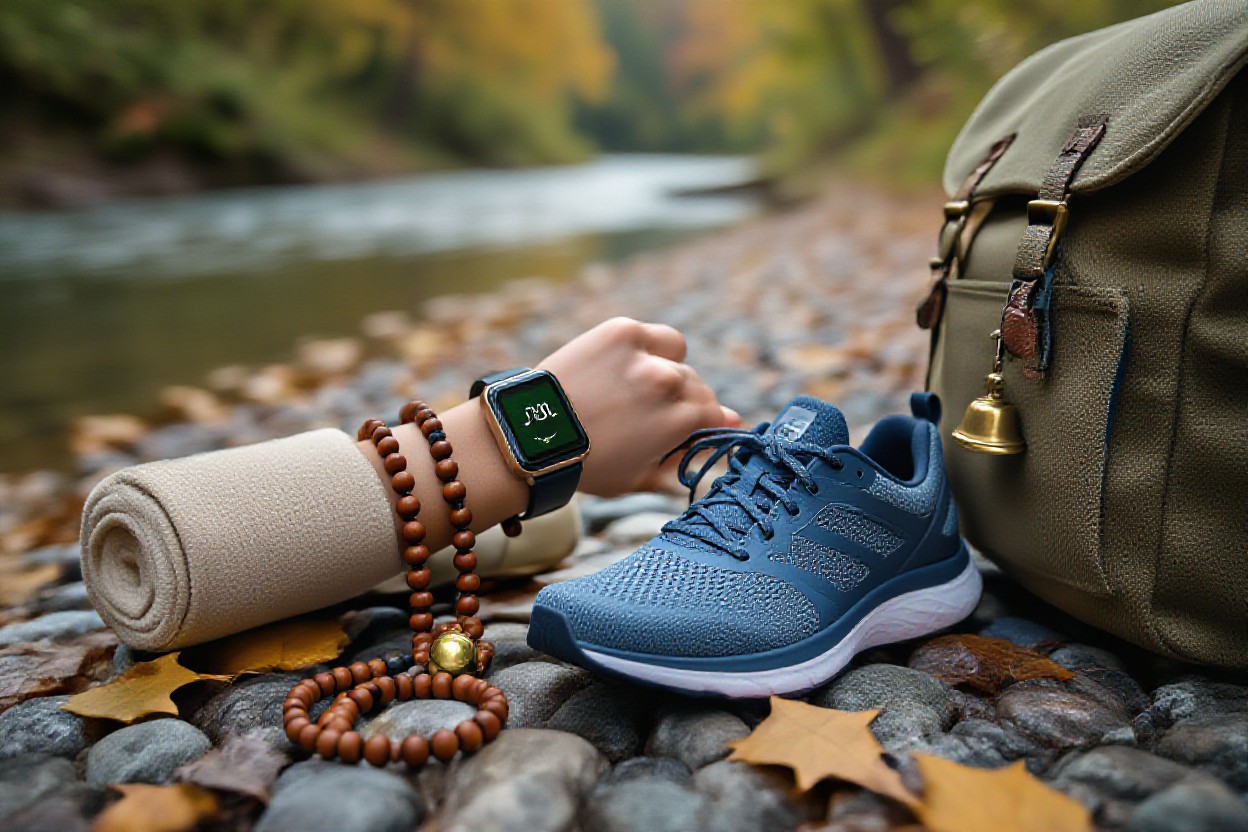
Why Mindfulness Walks Are a Game Changer
You know that feeling when your brain’s spinning at 200 tabs open, but your body feels like it’s been glued to a chair all day? Mindfulness walks rip that pattern apart. You get real physical movement while your mind finally chills out instead of spiraling. Studies show even 10-15 minutes of walking can drop anxiety levels, and when you layer focused breathing or sensory awareness on top, you’re basically stacking wins. It’s not woo-woo, it’s a super practical way to reset your system without needing a yoga mat or a fancy studio.
Seriously, What’s All the Hype?
People hype this because it actually fits your messy, busy life instead of fighting it. You’re already walking – to your car, the train, the store – so turning that into a mini mental reset is just smart. One study out of Stanford found walking boosts creative output by up to 60%, and when you add mindful attention, your ideas don’t just increase, they get sharper. That means better decisions, fewer blowups, more patience with people who normally make you want to scream.
The Real Deal About Combining Exercise and Meditation
What most folks miss is that pairing movement with mindfulness hits your body and brain from two angles at once. Your heart rate goes up, your nervous system calms down, and you get this weird mix of being energized but not wired. Instead of trying to sit on a cushion for 20 minutes fighting your own thoughts, you’re letting them move through while your feet move forward. It’s practical, it’s efficient, and it feels way less like some rigid “self-care routine” and more like something you can actually stick to.
In practical terms, you might start a 15-minute walk by syncing your steps with your breath – 3 steps in, 3 steps out – then switch to noticing sounds, colors, or the feeling of your feet hitting the ground. That simple shift lights up brain areas tied to focus and emotional regulation, which is exactly why so many athletes and execs use this combo before big performances. You can even explore more structured approaches like The Role of Mindfulness in Fitness: Combining Meditation … to see how people are baking this into full training programs. The result is you recover faster, stress hits you softer, and your workouts stop feeling like punishment and start feeling like a power tool.
How to Get Started with Mindfulness Walks
Over 60% of people say walking is their main form of exercise, so you’re not starting from zero, you’re just upgrading what you already do. Kick off with 5-10 minutes where you leave your phone in your pocket, match your breath to your steps, and notice sound, temperature, pressure under your feet. If you want more structure, use this guide: 6 Ways to Enjoy Mindful Walking and treat it like a tiny lab for training your focus in real life.
First Steps: What You Actually Need
A Stanford study found that walking boosts creative output by up to 60%, and you can tap into that with almost zero gear. You literally need comfortable shoes, clothes that fit the weather, and a basic plan like “I’m walking for 8 minutes and paying attention to my feet and breath.” No fancy app, no special mat, no incense. Just you, your body, and a tiny bit of intention that you repeat often enough to make it a habit.
Finding Your Perfect Walking Spot
Research shows that even 20 minutes in a green space can cut stress hormones by up to 30%, so your ideal spot is anywhere that feels calm enough for you to notice your own footsteps. That could be a tree-lined city block, a quiet parking lot at 7 a.m., or a short loop around your office building. If you can walk safely, hear a bit of nature or at least consistent background noise, and avoid constant interruptions, you’ve got a solid mindfulness route.
In practical terms, your perfect walking spot hits three boxes: safety, consistency, and low drama. You want a route where you’re not dodging cars every three seconds, somewhere you can hit 4-5 times a week, and a place that doesn’t spike your anxiety like a packed mall or super noisy intersection. A small park loop, an office campus path, or even a long hallway you walk up and down for 10 minutes can work. What matters most is that your brain starts to associate that specific space with “this is where I dial in and train my attention”, because once that association kicks in, dropping into a mindful groove gets faster and easier every single walk.
Tips for Staying Focused on Your Walk
Instead of fighting distractions, you treat them like reps in a mental gym. Use simple anchors: the feeling of your feet hitting the ground, the rhythm of your breath, the movement of your arms. When your mind drifts to work or notifications, you just tag it, then slide back to your senses. Knowing you’ll drift and come back over and over keeps you from quitting on the practice too early.
- Lock into your breathing for 10 steps in, 10 steps out.
- Count footsteps up to 20, then reset and repeat.
- Use visual checkpoints like trees or corners as mini reset buttons.
- Keep your phone on silent and out of your hand – no temptation, no problem.
Tricks to Keep Your Mind in the Moment
Think of your brain like a puppy on a walk – curious, all over the place, and you just keep gently guiding it back. Try naming what you notice: “hearing,” “smelling,” “thinking,” without judging any of it. Rotate attention every few minutes between your breath, your body, and your surroundings so it feels like a game, not homework. Knowing you can restart the walk mentally any second takes a lot of pressure off.
Music or No Music: What Works Best?
Some days you need quiet, other days a playlist saves the walk. If you use music, pick tracks without wild volume jumps so your nervous system stays calm, not yanked around. Try one walk fully silent, one with low-volume music, then compare which left you clearer and less drained after 20 minutes. Knowing your goal is presence, not perfection, lets you use music as a tool instead of a crutch.
Think about it like this: if your head is loud and anxious, a soft lo-fi playlist at 40-50% volume can give your mind just enough structure so it stops spiraling, while total silence might feel like too big of a jump. On the flip side, if you already spend 6 hours a day with headphones in, your best growth edge is probably a quiet walk where you hear cars, birds, your own footsteps, all of it. Some runners report slower perceived effort by up to 12% with music, which sounds great, but it can also pull you out of body awareness if the beat is too intense. The real move: test both for a full week each, track how your mood, stress, and focus feel after every walk, then double down on what actually makes you more grounded, not just more entertained.
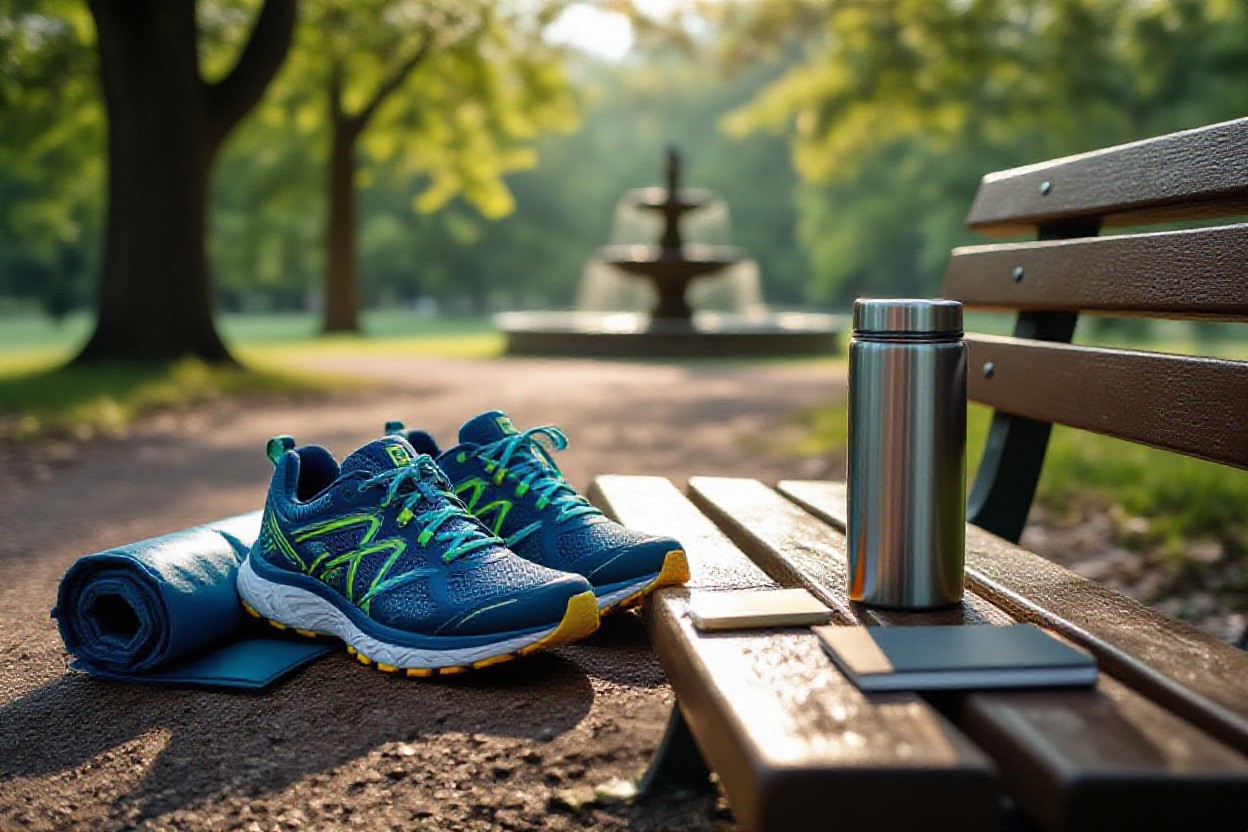
Factors to Make Your Walks More Effective
Short-form walking content is blowing up on TikTok, and it’s not just for aesthetics – your mindful walks can hit a different level when you tweak a few levers: your pace, your breathing, your route, and even your tech boundaries. Stack them with insights from Mindful Walking & Walking Meditation: A Restorative Practice and you’re basically building a portable mental reset button. Knowing you can design your walk like a training session makes every step more intentional.
- Adjust pace to stay present and avoid autopilot.
- Sync breath with steps for built-in calm.
- Choose routes with fewer triggers and more nature.
- Limit tech so your attention isn’t hijacked.
Timing: When’s the Best Time to Hit the Trail?
Morning walkers often report up to 20 percent better mood scores in small studies, but your best timing is the one you’ll actually protect on your calendar. Early hours give you quieter streets and a cleaner mental slate, while late afternoon walks can flush out all the pent-up stress from work or parenting chaos. Knowing which window matches your energy lets you turn your walk into a non-negotiable ritual instead of a random nice-to-have.
Setting Intentions: Why It’s a Big Deal
People are finally catching on that slapping an intention on a walk works like a filter for your brain: focus on gratitude, and suddenly you notice tiny wins; choose stress release, and your attention locks onto tension leaving your body. You’re not just wandering, you’re giving your mind a job. Knowing your intention in advance keeps you from drifting into doom-scrolling-in-your-head territory.
On a deeper level, setting intentions before you walk is basically you calling your shot in public, even if the only witness is the sidewalk. You might say, “For 20 minutes I’m training my ability to notice my thoughts, not drown in them,” or “This walk is for processing that tough conversation so it stops running my day.” Elite athletes do this constantly, they tag sessions with a purpose, and it works the same way for your mind – it narrows your focus, cuts mental noise, and boosts follow-through. Knowing you chose the purpose on purpose makes the whole walk feel like practice, not just passing time.

My Take on the Benefits of Mindfulness Walks
The wild part is how fast this practice starts to stack wins in your life. You’re not just logging steps, you’re quietly rewiring how you handle pressure, conflict, even that 3 p.m. slump. After a few consistent weeks, you notice your sleep hits deeper, your mood spikes higher, and your reactions get slower in the best way. You stop running on autopilot and start actually steering your day, and that shift bleeds into your work, your relationships, your health – all of it.
The Physical Perks You Might Not Expect
What catches you off guard is how your body responds when you pair movement with awareness. A 2019 study out of UNC tracked mindful walkers and saw lower resting heart rate, better balance, and reduced inflammation markers in just 8 weeks. You start breathing deeper, your shoulders drop, your jaw unclenches, and your posture quietly upgrades. That combo gives you more energy at 4 p.m. than your second coffee ever will.
Mental Clarity and Calm: Seriously Though
The big flex isn’t that you feel “zen” on the walk, it’s that you stop getting hijacked by every random thought afterward. A 2020 meta-analysis on mindfulness-based movement showed up to 30% drops in perceived stress and anxiety, which is wild for something as simple as walking with intention. You notice you’re less reactive in meetings, less spun out by notifications, and way quicker to reset after a rough conversation. That mental spaciousness becomes your unfair advantage.
What really blows you away is how your brain starts organizing itself without you trying to force it. You’ll be halfway through a 20-minute loop, tracking your footsteps and breath, and suddenly the solution to a work problem just surfaces like it’s been waiting in line. Because you’re giving your prefrontal cortex a break, your default mode network chills out and creativity sneaks back in. Over a month of daily walks, you start catching patterns: arguments you don’t need to have, tasks that don’t matter, stories you’ve been telling yourself that are flat-out lies. You get this calm, sharp filter that helps you separate noise from what actually deserves your energy, and that clarity feels better than any hack or productivity app you’ve tried.
Wrapping It All Up: Final Thoughts
Owning Your Walk, Every Single Step
You don’t need a retreat, you need a sidewalk and some intent. When you commit to 10 mindful walks a month, that’s 120 a year – that’s not just exercise, that’s hundreds of reps training your focus, your emotional control, your patience. You feel your heart rate climb, you notice your thoughts spin up, and instead of spiraling, you use your breath, your steps, your senses to bring it back. Over time, your default setting shifts: less reactivity, more awareness, more actual peace in your day, not in theory, in practice.
