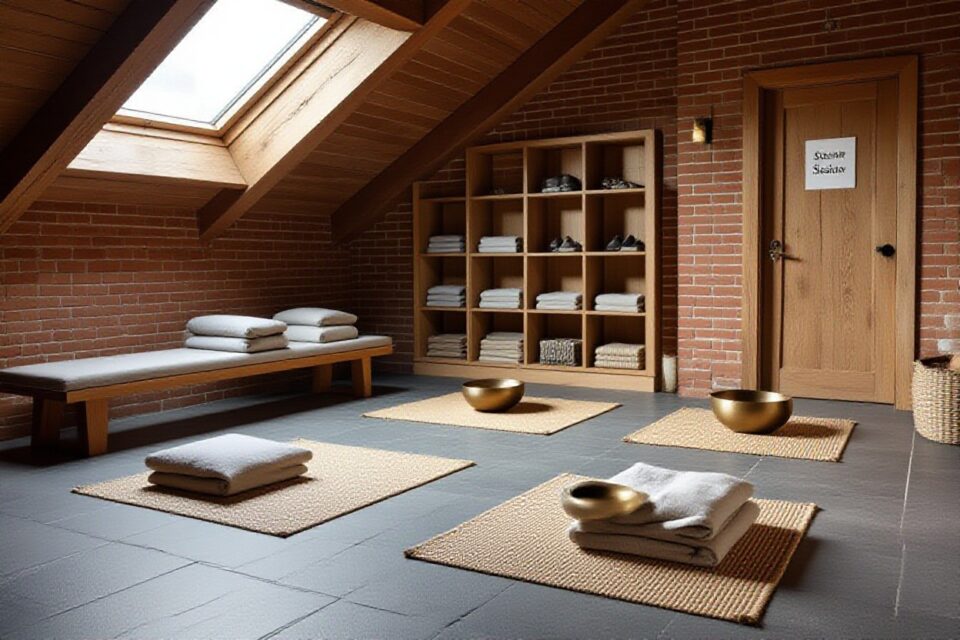
Over time you realize all the chatter around you keeps leaking into your mind, so silent yoga starts to matter a lot for your focus, your mood, your nervous system. When you move without music or cues, you suddenly hear your breath, your thoughts, your body talking back – and that can feel deeply calming or a bit intense at first. You’re about to explore how quiet practice can cut stress fast, sharpen awareness, and make your regular flows feel richer, more honest, more you.
Why Silent Yoga is the Real Deal
Studies show you process up to 34 gigabytes of information a day, so when you hit the mat without music or cues, your nervous system finally gets a break. In that quiet, you actually notice your heartbeat, your breath, the tiny shakes in your legs – all the stuff that makes your practice honest. By stripping away noise, you lean into self-guided awareness, almost like turning your body into its own teacher, especially when you explore resources like Yoga And The Power Of Intentional Silence.
What Makes Quiet Practice Special
When you move in silence, your brain’s default mode network actually settles down, so you stop overanalyzing whether your Warrior II looks “right” and start feeling what it does inside your hips, ribs, jaw. You catch subtle habits, like clenching your toes or holding your breath in plank, and that awareness alone can reduce injury risk and burnout. It starts feeling less like performing yoga and more like hanging out with your body, just you and your breath, no audience.
How It Can Transform Your Mindset
Within just 10 to 15 minutes of quiet practice, cortisol levels can start dipping, and you notice your thoughts shifting from “push harder” to “what do I actually need right now?”. Instead of dragging your stress onto the mat, you use the silence to retrain your inner voice, so it sounds more like a supportive coach than a critic. That spills over into your day – you pause more, react less, and catch negative self-talk before it spirals.
During a silent flow, you might catch yourself about to bully your body into one more chaturanga, then suddenly you stop and swap it for child’s pose, and that tiny choice is huge. You’re literally practicing a new mental script: less pressure, more curiosity. Over a few weeks, you start handling emails, conflict, even traffic jams with the same skill – you notice the rising tension, breathe, then choose your response instead of snapping. This is where silent yoga quietly upgrades your mindset into something more resilient, kind, and actually sustainable.
How to Get Started with Silent Yoga Sessions
Picture your next yoga session starting with no playlist, just the tiny sounds in your home and your own breathing guiding every move. You don’t need fancy gear or a retreat in the mountains to begin, you just need a clear intention to sit with silence for 5 to 15 minutes at first and let your body lead. Over a few weeks you can gradually stretch that to 30 or even 45 minutes as your nervous system adapts and your focus sharpens in a surprisingly steady, grounded way.
Tips for Creating Your Quiet Space
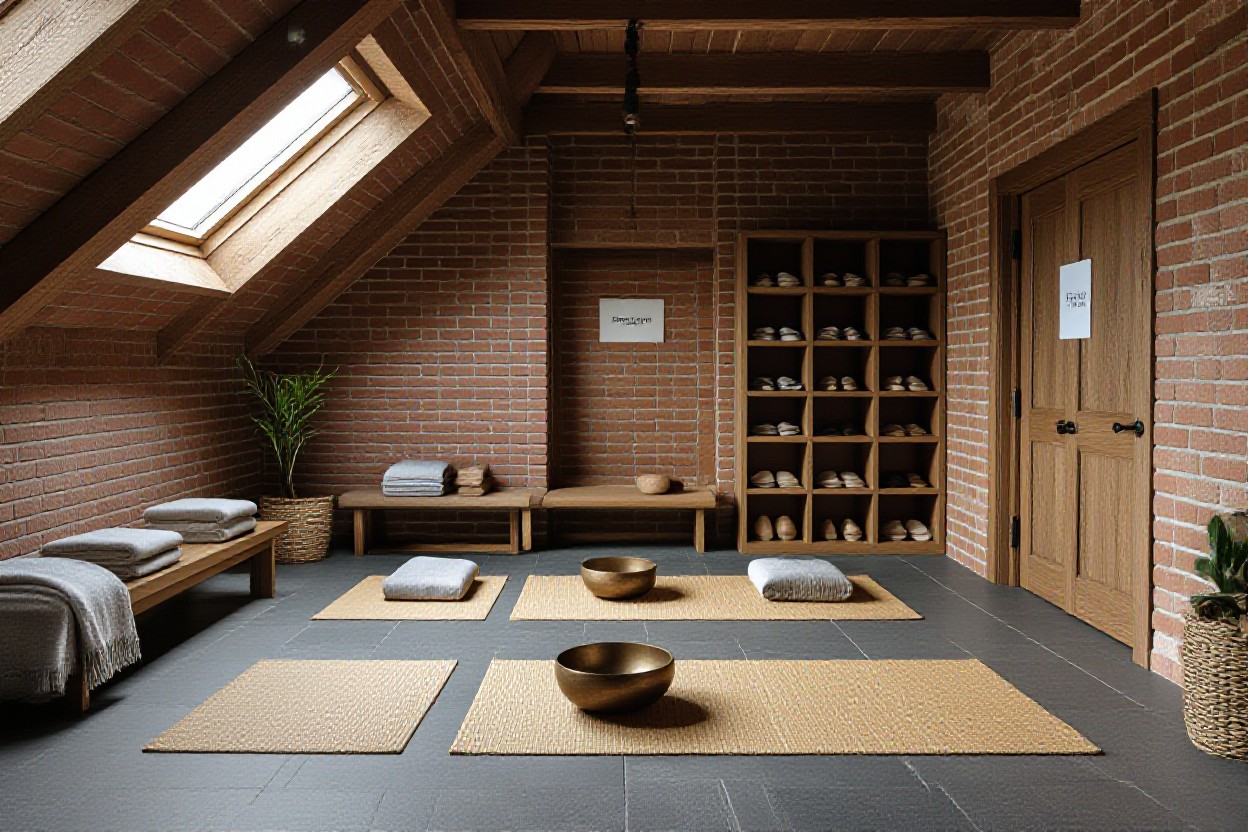
Maybe it’s that sunny corner by the window, or the tiny bit of floor between your bed and the wall, either way you want it to feel like your own little sanctuary. Start by cutting obvious noise, then dim lights, clear clutter, and bring in one or two calming anchors like a yoga mat, a soft blanket, or a single candle. This helps your brain associate that spot with silence and deep focus, so every time you step there your whole system starts to unwind faster.
- Noise reduction with closed doors, earplugs, or white noise outside the room
- Minimal clutter so your eyes and brain don’t keep scanning the space
- Soft lighting using lamps or candles instead of harsh overhead lights
- Natural elements like a plant or stone to ground your attention
- Simple props such as blocks, a bolster, or folded towels within reach
- Safe temperature that keeps your body relaxed, not shivering or overheating
This kind of setup quietly signals safety to your nervous system, which is especially important if you’re working with stress, anxiety, or past burnout from sensory overload.
Finding the Right Time for You
You might find that 6:30 a.m. feels perfect on weekdays, but a slow 9 p.m. wind-down works way better on Sundays, so it’s about matching silence to your real life, not some idealized schedule. Try a 7 day experiment: 10 minutes right after waking, 10 minutes on your lunch break, and 10 minutes before bed, then track energy and focus on a simple 1-10 scale. This helps you see patterns fast so you’re not guessing.
For example, a lot of people notice that early morning silent sessions make them 20-30 percent more focused for complex tasks, while nighttime sessions help them fall asleep up to 15 minutes faster, especially when they avoid screens for 20 minutes before practice. If you live with family or roommates, you might need to sync with their routines, like choosing the window right after kids go to school or just before everyone gets home. So you keep tweaking: shift start time by 15 minutes for a week, shorten or lengthen the session, pair it with habits you already have like coffee or teeth brushing. Over a month, you end up with a time slot that feels so natural you almost miss it when you skip it, and that’s when silent yoga really starts to become part of your everyday rhythm instead of another thing on your to-do list.
My Take on Essential Practices for Deeper Focus
When you care about going past surface-level calm and into that quiet, razor-sharp focus, you start paying attention to tiny details that actually shift your practice. You’ll notice how 5 slow breaths can clear more mental noise than 30 minutes of distracted movement, or how staying in one still posture for 90 seconds longer flips your nervous system into rest mode. So instead of adding more, you’re actually stripping things away – less talking, less rushing, more listening to what your body keeps whispering every time you finally get quiet.
Breathing Techniques That Actually Work
When you’re practicing in silence, your breath becomes the loudest teacher in the room, and that’s a good thing. Try a simple 4-4-6 pattern: inhale for 4, hold for 4, exhale for 6 slow counts to downshift your nervous system. You can also play with box breathing (4-4-4-4) for just 3 to 5 minutes before you start – it’s short, but it steadies your mind like flipping a switch so your focus stops jumping all over the place.
Postures to Embrace While in Silence
When you’re not listening to cues every few seconds, you need shapes that feel safe, grounded and kind of like home in your own body. Think simple stuff: child’s pose for nervous system reset, supported forward folds to quiet racing thoughts, and long holds in seated poses where your spine can stack easily. You’re not trying to impress anyone here, you’re building a small toolkit of shapes that naturally pull your attention inward and keep you there without so much effort.
In child’s pose, let your knees go wider than usual and slide a pillow or block under your chest so your ribs can soften, then stay for 2 to 3 minutes and just notice how your breath spreads across your back. In seated postures like sukhasana, slightly lift your hips with a folded blanket so your knees drop lower than your hips – that one tiny adjustment takes a ton of strain off your low back and suddenly you can sit still without fidgeting every 20 seconds. For forward folds, bend your knees more than you think you “should” and rest your head on a block or your stacked fists, because once your forehead is supported your brain reads that as safety and your whole system chills out. You’ll find that in silence, these small, supportive tweaks are what let you stay longer, go deeper, and actually enjoy the quiet instead of fighting it.
What to Expect in Your First Silent Session
You walk into the studio and it feels almost like a library, but with mats. No music, no chat, just soft footsteps and the sound of a few deep exhales. In those first 5 minutes, your mind might race, your body might fidget, and that’s totally normal. You’ll follow visual cues, subtle hand signals, and the energy of the room. After about 10-15 minutes, your breath usually sets the rhythm, and that quiet starts to feel less awkward and more like a reset button for your nervous system.
Honestly, Don’t Stress Out About It
That person in the corner last Tuesday? They spent the first entire session wondering if they were breathing too loudly and still walked out glowing. You’ll probably have weird thoughts, maybe miss a cue, maybe scratch your nose three times in child’s pose. It’s fine. Everyone around you is wrapped up in their own inner world. Your only real job is to show up, breathe, and let the silence do some of the heavy lifting for you, even if you feel a bit awkward at first.
How to Handle Distractions
Midway through class, a phone buzzed in someone’s bag and you could feel the whole room tense for half a second. Stuff like that will happen – a cough, a door slam, your stomach growling at the worst time. Instead of fighting it, you treat each distraction like a yoga pose for your mind: notice it, label it, let it drift. When you use sound, itchiness, emotions as anchors instead of enemies, you turn everyday noise into part of your practice instead of something that ruins it.
So when your brain starts doing cartwheels because a car alarm goes off outside or the person next to you is breathing like Darth Vader, you use a simple loop: notice, name, return. You might think, “sound… car alarm” or “thought… dinner plans”, then gently bring your focus back to your inhale for a count of 4 and exhale for 6, which actually taps your vagus nerve and helps downshift your stress response. If your eyes start wandering, you can soften your gaze to one spot on the mat, almost like you’re watching your own breath land there. Little by little, you train yourself to stay steady in the middle of small chaos, which is basically what the rest of life demands from you too.
Seriously, Why Consistency is Key
You don’t deepen in silence because a single session blew your mind, you deepen because you keep showing up when it’s boring, fidgety, or strangely loud in your head. Consistent silent practice literally reshapes your baseline: slower heart rate, better sleep, cleaner focus. When you give your nervous system the same quiet container 3-5 times a week, your brain starts craving that reset. If you want to geek out on how this plays out on retreat, Discover the Importance of Silence in Yoga Retreats and see how deep it can really go.
Making Silent Yoga a Habit
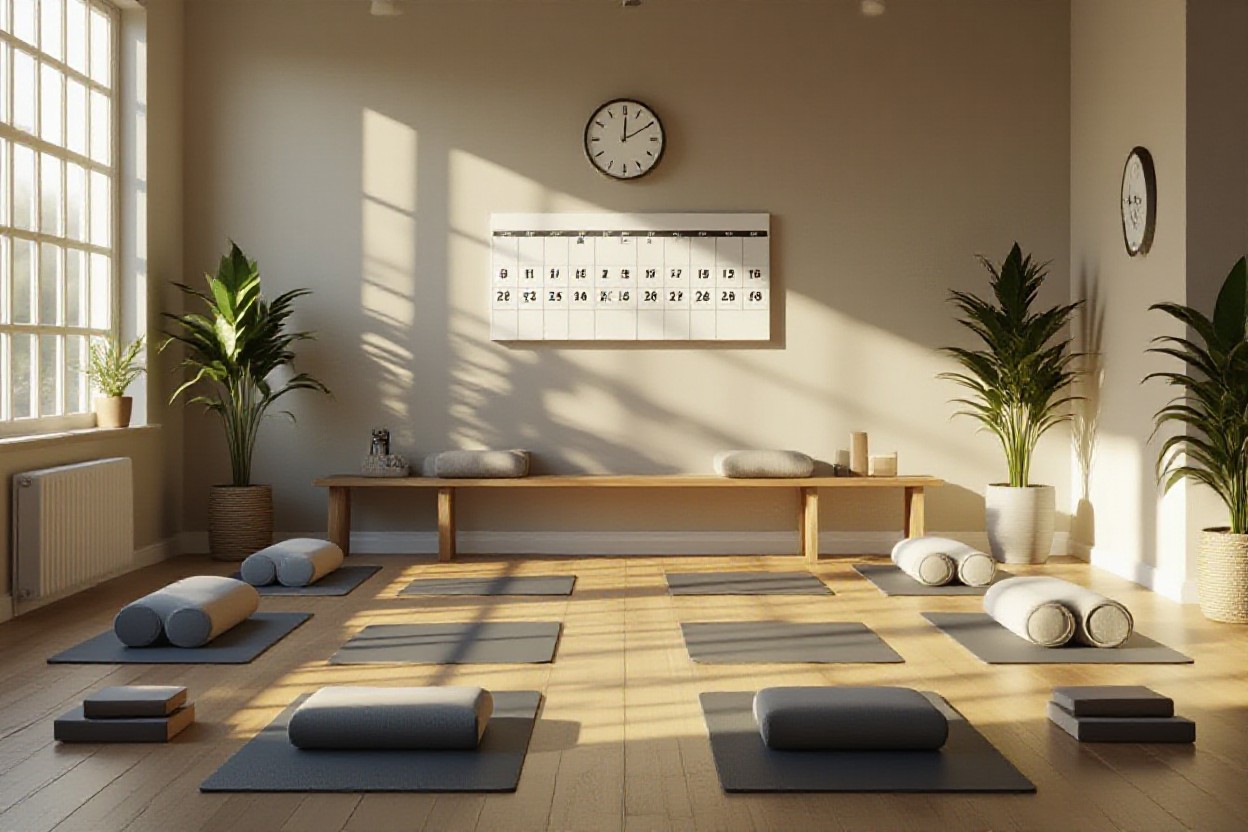
Sometimes the easiest way to stay consistent is to make your practice almost impossible to skip. You block the same 15-30 minute slot in your calendar, roll your mat out before bed so it’s there in the morning, even pre-choose your sequence so you don’t negotiate with yourself. Habit sticks when you reduce friction: same spot, same playlist volume (or none), same short ritual like 3 deep breaths before you start. The less you have to think, the more you’ll actually practice.
Tracking Your Progress: What Works
You probably won’t notice progress in the mirror, you’ll feel it in those tiny shifts: less reactivity, deeper sleep, fewer “I can’t focus” days. Tracking a few concrete things – like number of silent sessions per week, minutes on the mat, or how many times your mind wandered in your longest hold – gives you proof that it’s working. Even a 1% change per week turns into a totally different baseline by the end of the year.
When you want to get nerdy about this, grab a simple notebook or an app and jot down three data points after each session: duration, mood before/after (rate it 1-10), and one short observation like “mind was buzzy” or “felt heavy in hips”. Over 3-4 weeks you’ll see patterns pop: maybe your focus jumps on days you practice before 9 a.m., or you notice that 20 minutes in silence shifts your mood more than 40 minutes with music. Use that info to tweak your schedule, not to judge yourself. The goal isn’t a perfect streak, it’s building a feedback loop where your practice teaches you how it wants to grow.
Factors That Can Enhance Your Experience
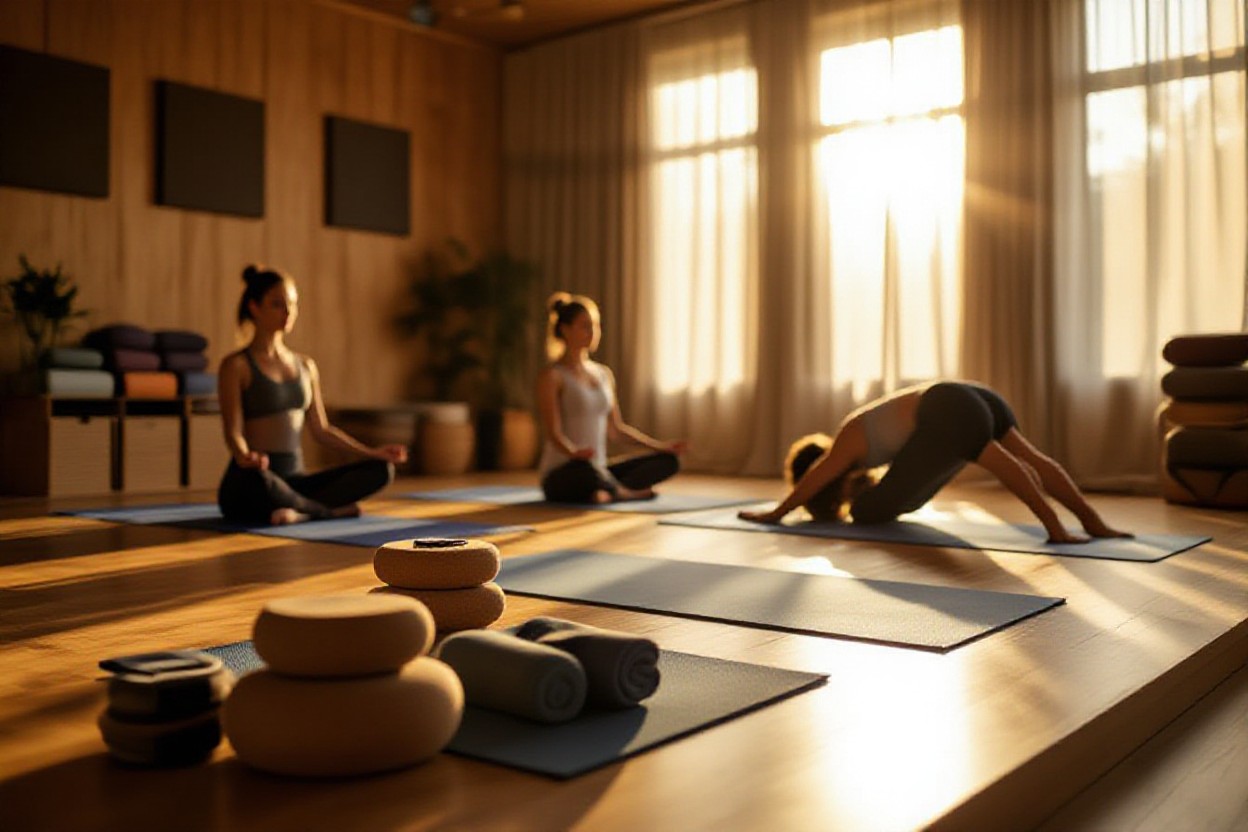
You know that moment when the room gets so still you can hear your own heartbeat and your breath feels louder than traffic outside? That’s where a few intentionally chosen enhancers really kick in. Think soft lighting, a steady temperature, and a mat that actually grips instead of sliding around like a bar of soap. Even tiny tweaks like turning your phone fully off or practicing at the same time of day can anchor your nervous system. Perceiving how these details shift your inner focus will change how you design every future practice.
- Lighting and ambiance that support relaxation
- Room temperature that keeps muscles supple and safe
- High-grip mat and stable flooring under your feet
- Consistent practice time to train your nervous system
- Digital boundaries so notifications never break your flow
The Best Music (or Lack Thereof) for Your Practice
Some days you sink into silence so fully that even soft piano feels like a crowded bar, other days a 60-70 BPM track actually helps you lengthen each exhale. You might test a week of totally silent practice, then a week with low-volume ambient sounds like rainfall or Tibetan bowls and compare your focus. Volume matters more than genre, by the way – keep it so low your breath is still the star. Perceiving which soundscape keeps your mind from chasing lyrics is the real experiment here.
Choosing Props and Accessories
When your hips hover 3 inches from the floor in pigeon and a firm block suddenly makes the pose feel safe, you realize props aren’t a luxury, they’re a lifeline. A solid cork block, a 6-foot strap, and a supportive bolster can turn strain into sustainable sensation. Even simple extras like a non-slip mat towel and a soft eye pillow change how deep you relax in stillness. Perceiving how each item reduces tension lets you customize your setup like a pro.
Think about the last time you skipped a block and just muscled through triangle, then your low back complained all afternoon – that’s the difference smart props make. A study from Yoga Journal found over 70% of long-term practitioners rely on at least one prop per session to prevent overuse in joints, especially wrists, knees, and lower back, so you’re in good company if you reach for gear. You might start with 2 cork blocks (foam collapses too fast), one medium-density bolster, and a cotton strap so it doesn’t slip when your hands get sweaty. Perceiving which props actually help you breathe easier in challenging poses lets you ditch the rest and build a lean little toolkit that fits in a single basket by your mat.
To wrap up
Conclusively, when the noise drops away, your inner voice finally has room to speak, and that’s really what silent yoga sessions are all about – giving you space to breathe, feel, and just be. As you lean into quiet, you sharpen your awareness, deepen your focus, and let your practice shape not just your body but your day-to-day life too. If you’re curious to take this further, you’ll love The Power of Silence: Yoga, Science, and 5 Simple Ways … for simple ideas you can plug into your own routine.
