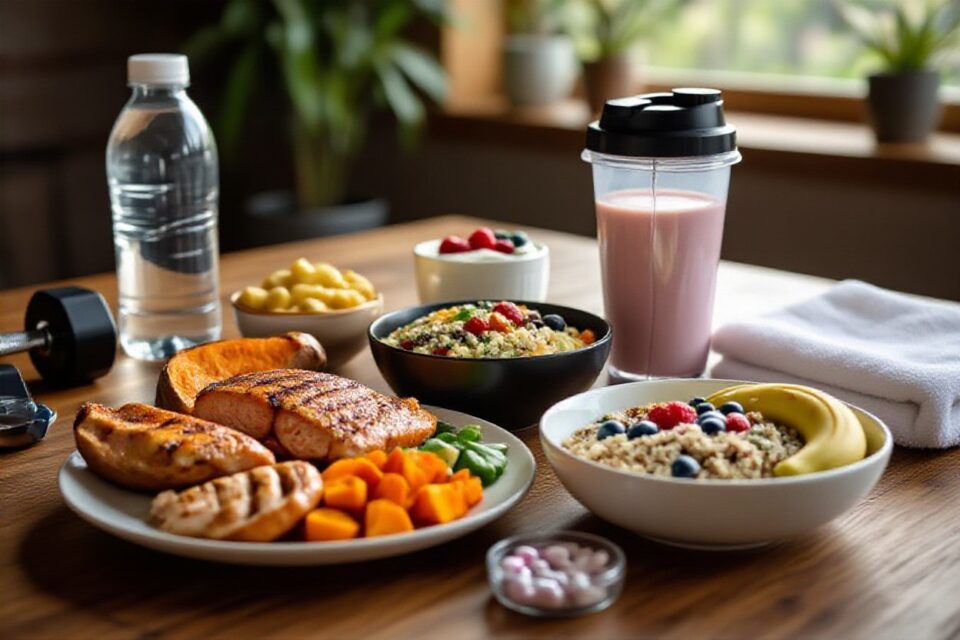
You finish a hard workout, you’re sweaty, tired, and kind of proud… but your muscles are basically tiny biochemical labs screaming for raw materials. In this guide, you’ll see how your post-workout plate and shaker bottle shape how fast you repair tissue, restore energy, and actually get fitter instead of just exhausted. You’ll treat food less like a reward and more like precise fuel, from protein and carbs to smarter supplements that back up what your physiology is already trying to do. Because if you ignore recovery nutrition, you’re basically training with one hand tied behind your back.
What’s the real deal about recovery nutrition?
Picture this: you crush a workout, then wander the kitchen wondering if that snack actually matters. It does, because your muscles are like tiny labs trying to repair micro-tears, refill glycogen, and calm inflammation in the first 2 hours. You’re not just feeding hunger, you’re directing chemistry. The right mix of protein, carbs, and fluids nudges your body toward adaptation instead of just fatigue.
Types of foods you shouldn’t ignore
After a hard session, you want foods that quietly do heavy scientific lifting for you. So you lean on stuff that delivers protein for repair, carbohydrates for fuel, and healthy fats plus antioxidants to limit damage, not just fill your stomach. The magic is how these whole foods team up so your next workout actually feels better, not worse.
- Protein
- Complex carbs
- Healthy fats
- Antioxidant-rich foods
- Electrolyte sources
| Lean protein (eggs, Greek yogurt, tofu) | Supports muscle repair and limits breakdown after training. |
| Complex carbs (oats, rice, potatoes) | Refills glycogen so you’re not wiped out at your next session. |
| Healthy fats (nuts, olive oil, avocado) | Helps manage inflammation and keeps hormones on your side. |
| Colorful plants (berries, greens, peppers) | Packs antioxidants that blunt oxidative stress from hard work. |
| Hydrating foods (fruit, soups, coconut water) | Restores fluids and electrolytes while adding some carbs. |
Key supplements – are they really necessary?
You’ve probably eyed that wall of powders and pills and wondered if you’re missing some secret edge. In reality, a few options like whey or plant protein, creatine, and electrolytes can help when food timing or appetite just isn’t cooperating. The smart move is using them as tools to fill gaps, not as a replacement for actual food.
In more detail, you’ve got a short list that’s actually worth your attention. A simple protein powder can bump you to the 20-30 g post-workout target when you’re not in the mood to cook, which research shows maximizes muscle protein synthesis in most people. Then you’ve got creatine monohydrate, boring but brilliantly studied, consistently improving strength and power over 4-12 weeks by topping up your phosphocreatine stores. Electrolyte mixes can be useful if you train hard in heat or lose a lot of salt in sweat, while omega-3 supplements may slightly reduce soreness when your usual diet is low in oily fish. You don’t need half the fancy stuff marketed at you, but using a small, evidence-backed stack can make recovery feel a lot less random.

My take on timing: when’s the best time to refuel?
People love to act like there’s a single magic minute where you either gain muscle or waste your workout, but your body’s a bit more forgiving than that. You’re looking at a practical window of roughly 2 hours where muscle protein synthesis is ramped up and glycogen enzymes are humming. If you’ve trained hard, getting in 20-40 g protein and some carbs in that span makes life easier for your muscles. After all, you’re not a robot hitting a stopwatch, you’re just trying to give your body what it needs without obsessing over the clock.
The golden hour: fact or fiction?
Anyone who tells you the exact 60-minute “anabolic window” is life or death is, frankly, overselling it. Studies in lifters show that as long as your total daily protein is solid and you ate within a couple hours before training, that sacred golden hour becomes more like a flexible window. You still benefit from hitting 25-30 g protein and some fast-digesting carbs soon after, especially after heavy or double sessions. After you treat the golden hour as helpful, not holy, the whole timing thing gets a lot less stressful.
Other factors to consider
What almost no one tells you is that timing is only one piece and not even the biggest one for most people. Your sleep, overall stress levels, and how many grams of protein per kilogram of bodyweight you hit across the whole day easily rival that post-workout shake in impact. If you’re training again later the same day, then timing matters more, especially for glycogen replenishment and staying on top of hydration. After you zoom out and line up these bigger variables, that 30-minute post-gym panic window starts looking pretty tiny in comparison.
- Sleep quality shapes how well you actually adapt to training and lay down new muscle tissue.
- Daily protein intake in the 1.6-2.2 g/kg range usually beats obsessing over minute-by-minute timing.
- Hydration and electrolytes can change performance far more than nudging a shake 15 minutes earlier.
- Training frequency and two-a-day sessions increase the value of tighter refuel timing for carbs and sodium.
When you dig a bit deeper into the research, you see that recovery behaves more like a long mathematical integration than a single spike, which is kind of elegant in a nerdy way. You’re not just refueling for the last workout, you’re setting up your next one, and that means your 24-hour pattern of meals, sleep, and even basic micronutrients quietly shape the outcome. So if you’re lifting 5 days a week, doing hard intervals, or playing sport on top of gym work, dialing in regular meals every 3-4 hours beats one perfectly timed shake. After you treat refueling as an ongoing process rather than a one-shot event, your nutrition finally starts working with your biology instead of fighting your schedule.
- Meal frequency across the day helps keep amino acids available for muscle repair and growth.
- Carb distribution around harder sessions can support higher training quality and better glycogen stores.
- Micronutrient density from whole foods quietly supports recovery systems like immunity and hormone production.
- Stress management via simple habits like walking or breathwork can lower cortisol that otherwise blunts recovery.
Step-by-step guide to building your recovery meal
| 1. Lock in your protein |
You kick off with protein because your muscle fibers are literally sitting there waiting for raw materials. Aim for about 20-40 g of high-quality protein within 2 hours post-workout: eggs, Greek yogurt, tofu, chicken, or a whey shake if you’re in a rush. That range consistently shows up in studies as enough to max out muscle protein synthesis without just burning it as fuel. |
| 2. Refill your carb tank |
Next, you plug the glycogen hole you just drilled into your muscles. Go for 0.8-1.2 g of carbs per kg of bodyweight if you trained hard or have another session in under 24 hours. Rice, oats, potatoes, fruit, or a bagel all work; pairing carbs with protein speeds glycogen resynthesis by up to 40 percent compared with carbs alone. |
| 3. Add strategic fats |
Then you sprinkle in some fat without turning the meal into a slow digestive traffic jam. Think 10-20 g of healthy fats from avocado, nuts, seeds, olive oil, or fatty fish. Enough to support hormone production and absorption of fat-soluble vitamins, not so much that it drags digestion and delays those carbs and amino acids getting where they need to go. |
| 4. Load up on color and micronutrients |
After that, you stack the deck with plants. A big handful of spinach, mixed berries, bell peppers, or cruciferous veg gives you antioxidants, potassium, magnesium, and nitrates that actually show up in recovery data. For example, tart cherry and beetroot have been linked to reduced soreness and better power output in repeated efforts. |
| 5. Hydrate and add electrolytes |
Finally, you treat your drink like part of the meal, not an afterthought. Aim to replace about 125-150 percent of bodyweight lost in sweat over the next few hours, especially in hot conditions. Water is fine for light sessions, but if you’re salty with visible sweat marks, you benefit from sodium (and sometimes potassium) via an electrolyte drink, broth, or lightly salted food. |
Simple combinations that work wonders
You’d be surprised how often the “boring” combos beat fancy supplements in actual studies. A bowl of Greek yogurt, oats, berries, and honey quietly covers protein, carbs, antioxidants, and a bit of fat in one hit. Or you go with rice, salmon, and veggies and you’ve got omega-3s, quality protein, and slow carbs. Even chocolate milk with a banana clocks in with a near-ideal carb-to-protein ratio for many athletes.
Extras that’ll amp up your recovery
You sometimes get more mileage from a few smart add-ons than from overhauling the whole meal. Tossing in 3-5 g creatine post-workout helps with long-term strength and muscle gains, not just today’s session. Omega-3s from fish oil or fatty fish can blunt excessive inflammation, while tart cherry juice has been linked to less soreness and better sleep. Magnesium, sodium, and even a basic electrolyte tablet can clean up the hydration side of the equation.
If you zoom in on those extras, you see they’re not magic, they’re leverage. Creatine is probably the most researched ergogenic aid on the planet, consistently improving high-intensity performance by around 5-15 percent over time when taken daily. Tart cherry and kiwi have shown measurable effects on sleep efficiency and soreness, which indirectly tightens up recovery because you repair most at night. And by dialing in electrolytes (especially sodium around heavy sweaters) you reduce headaches, late-night cramping, and that weird “flat” feeling the next day, so your next workout isn’t starting from a deficit.
Tips that actually work for faster recovery
In one study, athletes who nailed protein, carbs, and sleep cut soreness by about 30 percent in 48 hours, which tells you your habits matter far more than genetics. You stack the odds by pairing 20-40 g protein with 0.8-1.2 g/kg carbs, sipping fluids steadily, and not treating sleep like a suggestion. This guide from All about post workout recovery and nutrition after exercise breaks down practical timing you can actually follow, not just theory. Recognizing how consistently you apply these basics separates steady progress from spinning your wheels.
- Post-workout protein and carbs within 2 hours
- Regular hydration before, during, after training
- 7-9 hours of high-quality sleep per night
- Active recovery on lighter days
- Monitoring soreness, mood, and performance
Hydration hacks you might’ve missed
About 2 percent dehydration can already drop your power and reaction speed, yet you often don’t feel genuinely thirsty until you’re there. You can sneak in smarter recovery by weighing yourself before and after hard sessions and drinking about 1.5 liters per kilo of bodyweight lost with some sodium and electrolytes in the mix. So if your sweat is salty or your urine stays dark, you’re not rehydrating as well as you think, and your next workout quietly pays the price.
Getting enough rest – why it matters
More than 60 percent of regular exercisers sleep under 7 hours, even though your body does its best muscle repair during deep sleep when growth hormone spikes. When you cut the night short, you don’t just feel tired, you blunt protein synthesis, increase inflammation, and tank motivation for your next session. Recognizing that better sleep is basically free legal performance enhancement changes how seriously you treat your bedtime.
In lab studies where sleep is dropped from 8 hours to 5, athletes lose strength, coordination, and even basic accuracy, which means your hard-earned technique quietly unravels. You also see cortisol climb while testosterone dips, so you slide toward a more catabolic state even if your diet is pristine. And because your brain consolidates movement patterns at night, long, heavy skill sessions without enough rest are like saving a file to a corrupt hard drive. Recognizing this, you start treating screens, late caffeine, and chaotic sleep schedules as real performance threats, not just bad habits.
Pros and cons of different recovery approaches
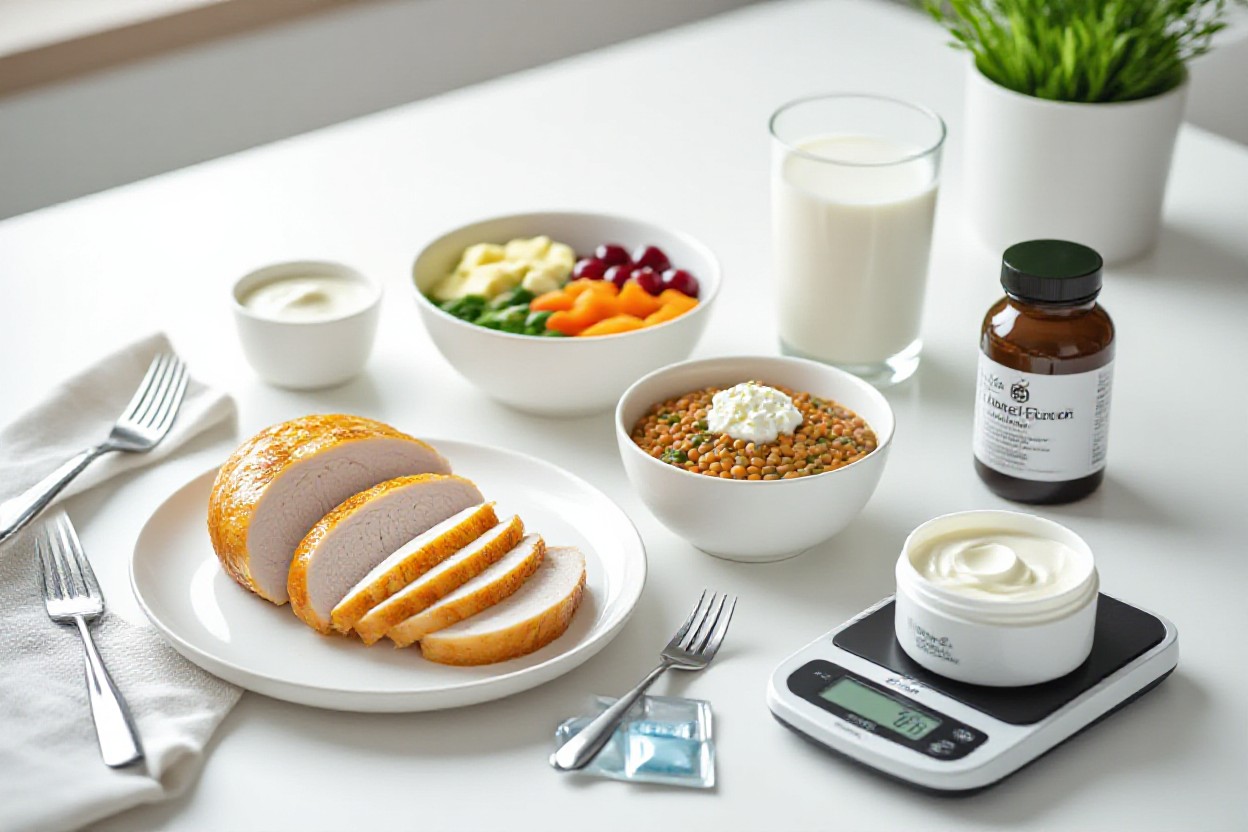
You get bombarded with recovery tips like they’re magic spells, but each approach hits your body differently, changing how fast you actually bounce back. Rather than chasing the latest hack, you want to see how methods like whey shakes, tart cherry juice, creatine or just a solid dinner trade off convenience, cost, gut comfort and real performance gains. Small details – like whether you tolerate lactose or train twice a day – can flip something from genius to useless for you, so it helps to put benefits and drawbacks side by side.
| Pros | Cons |
|---|---|
| Protein shakes give you fast-digesting amino acids within 20-40 minutes. | Some powders trigger bloating, gas or skin issues if you’re sensitive. |
| Whole-food meals deliver protein, carbs, fiber, micronutrients in one hit. | Cooking takes time, planning and a kitchen, which you don’t always have. |
| Carb-rich snacks restore muscle glycogen and support performance in later sessions. | Ultra-processed carb snacks can spike blood sugar and energy crashes. |
| Creatine has strong evidence for strength, power and lean mass gains. | Some people report water retention or mild stomach discomfort at higher doses. |
| Tart cherry or berry-based drinks may reduce soreness and inflammation. | High intake could blunt some adaptive signaling if you chase every tiny ache. |
| Electrolyte drinks help when you sweat heavily or train in hot conditions. | Many commercial drinks pack unnecessary sugar and artificial colors. |
| Collagen plus vitamin C may support connective tissue and joint comfort. | Evidence for direct performance benefits is still limited and mixed. |
| Structured timing (like 20-40 g protein within 2 hours) simplifies choices. | Rigid rules can create anxiety and a weird all-or-nothing mindset. |
| Heavy focus on food quality supports long-term health, not just workouts. | Perfectionism around “clean eating” can become socially and mentally draining. |
| Using a few proven supplements can fill genuine nutritional gaps efficiently. | Chasing every new product drains your wallet with very little extra payoff. |
Whole foods vs supplements: what’s best for you?
People talk like you’ve got to pick a side, but in practice your best recovery usually comes from whole foods doing the heavy lifting with a couple of smart supplements filling the gaps. You might lean on whey when you’re rushing from the gym to work, then let meals like chicken, rice and veggies or Greek yogurt and oats handle most of your protein, carbs and micronutrients. Over a week, it’s the pattern that matters, not whether every snack came from a tub or a plate.
Is it worth the hype?
Everyone around you swears their new recovery stack is a game changer, but you’ve got to ask what’s actually moving the needle for performance and what’s just expensive glitter. If you’re sleeping 5 hours, skipping balanced meals and then dropping cash on exotic aminos, you’re basically polishing the hood of a car with no engine oil. Start with protein, carb timing and hydration dialed in for a few weeks, then layer in one evidence-backed supplement at a time so you can feel whether it genuinely helps or just empties your wallet.
What usually gets glossed over is how much of the hype comes from lab conditions that barely resemble your life. In studies, athletes might get precisely 0.3 g/kg protein post workout, exact carb doses, controlled sleep, plus a specific supplement, and then you see a 3-5 percent bump in performance – which is big if you’re chasing medals, but if you’re lifting 3 days a week after work, that same bump can vanish behind lousy sleep and random meals. So when a brand shouts about reduced DOMS or a 20 percent jump in some obscure marker, you want to ask: did people actually lift more, run faster or feel meaningfully better in real sessions, or did a blood value just nudge a little?
The boring truth is that once you hit roughly 1.6-2.2 g protein per kg, get carbs around harder sessions, and keep hydration on point, most fancy formulas add only marginal gains, if any, for you. And that doesn’t mean they’re useless, just that they’re sitting on top of a pyramid that has sleep, calories and training quality as the base, so if that base is shaky, the shiny stuff at the top can’t save it.
So you’re usually better off treating supplements like tools in a small, tidy toolbox, not like a personality trait. Start with something with strong data behind it like creatine monohydrate at 3-5 g per day, maybe whey or a plant blend if you struggle to hit protein, then wait a good 4-6 weeks and assess: are your numbers going up, is recovery smoother, are you less wiped the next day?
If you can’t link a product to a clear change in how you train or feel, it’s probably more hype than help.
Common mistakes to avoid after a workout
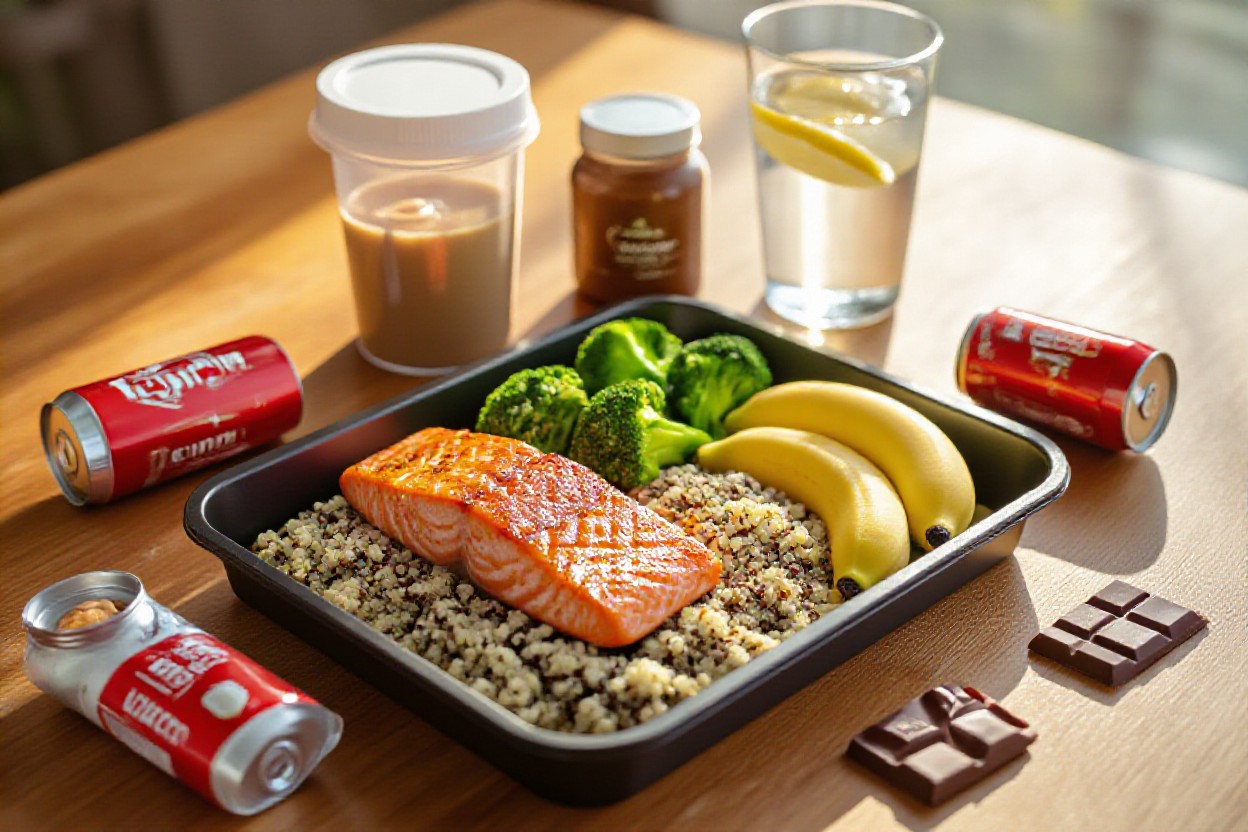
In the same way you wouldn’t pour diesel into a Formula 1 car, you don’t want to feed your body the wrong stuff after training or, worse, nothing at all. Skipping protein for hours, slamming only carbs, or chasing that 2000 mg sodium “recovery” drink after a light session quietly slows adaptation. You might also fall for “fasted windows”, going 3-4 hours without food, which can spike cortisol and blunt muscle repair. And when you overdo alcohol, late-night scrolling, or caffeine, your recovery budget gets silently burned.
Here’s what people usually get wrong
Most of the time it isn’t the workout sabotaging progress, it’s what you do in the next 2 hours. People guzzle a 60 g sugar shake with zero protein, or they hit a heavy lift session then only eat a salad with 8 g of protein and call it good. Others keep “saving calories” by under-eating after training, so muscle protein synthesis never really peaks. Then there’s the supplement spiral where you buy BCAAs, but your daily protein is still under 1.4 g per kg.
Lessons learned from my own experiences
After a while, you start to notice patterns in your own body that no textbook warns you about. When I pushed hard sessions then skipped food for 3 hours, soreness lasted 48 hours longer and my lifts plateaued for weeks. Once I locked in 20-30 g of protein plus 40-60 g carbs within about 60 minutes, weights finally climbed again. I also learned that late caffeine after evening workouts wrecked deep sleep, and that wrecked everything else.
Back when I was training 5 days a week, I’d sometimes “tough it out” with only coffee and a banana after a 90-minute session, thinking I was being disciplined – what actually happened was my morning heart rate climbed 5-7 bpm, my sleep tanked, and my squat numbers stalled for a full month. Later, I started tracking: on weeks where I hit roughly 0.3 g protein per kg of bodyweight in that first meal plus some simple carbs, soreness dropped by about a third and I could add weight to the bar twice as often. I also experimented with supplements the wrong way round, buying glutamine and fancy recovery blends while my total daily protein was still under 80 g, and, surprise, nothing changed until I fixed the basics. You probably know that feeling of being “tired but wired” at night too – when I had pre-workout at 6 pm, my deep sleep time dropped to under 40 minutes on my tracker, and performance the next day followed it straight down.
Summing up
Ultimately, with all the buzz about post-workout smoothies and fancy recovery shakes, you might forget that your muscles still obey the same old laws of physics and biology – they need raw materials and energy, not magic. When you give your body solid protein, smart carbs, some healthy fats and maybe evidence-backed supplements like creatine or whey, you’re not just feeding yourself, you’re quietly editing the script of your next workout.
You get to decide if your training is just damage… or a rehearsal for a stronger version of you.
