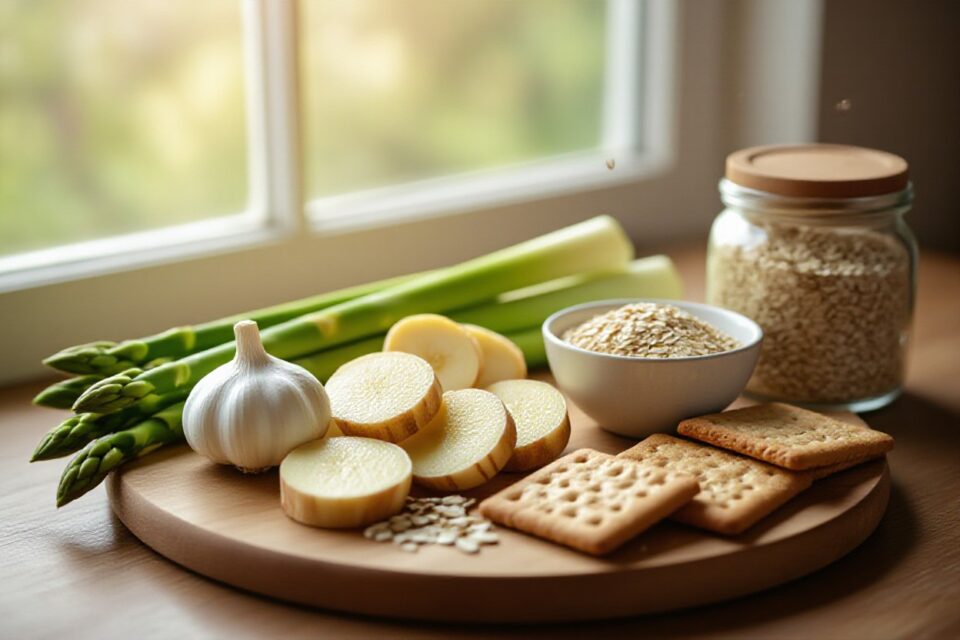
Just 70% of your immune system lives in your gut, so yeah, what you snack on all day really matters for how you feel. When you load up on prebiotic-rich bites, you’re actually feeding the good bacteria that keep your digestion smooth, your energy steadier, and even your mood more balanced. You’re not just avoiding problems like bloating or random fatigue – you’re quietly building a stronger, more resilient body from the inside out. That’s the power of the right snack at the right time.
What Are Prebiotics, Anyway?
Ever wondered why some foods seem to make your belly feel happier than others? Prebiotics are special types of fiber that you can’t digest, but your gut bacteria absolutely love. They pass through your system to feed the good microbes living in your intestines, helping them grow stronger and more active. So when you snack on things like onions, garlic, oats, and bananas, you’re not just feeding yourself – you’re feeding your inner ecosystem.
Good for your gut
Have you ever thought about how much your gut actually does for you all day long? When you load up on prebiotic-rich snacks, you’re giving your digestive system more support to work smoothly, keep you regular, and even support your immune defenses. A happier gut can mean less bloating, more stable energy, and better overall comfort, which is a pretty sweet trade for just tweaking what you snack on.
Feeding the friendly bacteria
What if every snack you eat could quietly help your gut bacteria thrive? Prebiotics are like a steady buffet for the friendly microbes that protect you, so when you eat them regularly, those good guys grow stronger and crowd out the less helpful ones. That means your gut balance shifts in your favor, which can lead to better digestion, improved nutrient absorption, and fewer annoying tummy troubles over time.
When you think about “feeding the friendly bacteria”, you’re basically asking, what would make my gut bugs throw a tiny party? Prebiotic fibers in foods like chicory root, leeks, garlic, onions, asparagus, oats, and slightly green bananas slip past your stomach and small intestine almost untouched, landing in your colon where your good bacteria get first dibs. And once they start snacking, they produce short-chain fatty acids that help keep your gut lining strong, support your immune system, and can even influence mood and cravings a bit, which is kind of wild when you think about it.
Why You Should Snack on Them
Your last afternoon slump probably had you reaching for a cookie, right, and it helped for like 20 minutes before you crashed again. When you grab prebiotic-rich snacks instead, you’re feeding your gut bacteria so they can support more stable energy, smoother digestion, and even better mood. You’re not just snacking, you’re quietly upgrading your whole system in the background. That tiny swap can help you feel lighter, less bloated, and way more in control of your health without doing anything extreme or complicated.
Simple health boost
One busy day, you swap your usual vending machine pick for a prebiotic snack, and it doesn’t feel like a big deal at all. But that tiny choice can help your gut bacteria thrive, and in turn support digestion, immune function, and more balanced energy. You still get to eat, enjoy, crunch, chew – you just give your body better raw materials. So your snack stays fun, your routine barely changes, and your health quietly levels up in the background.
Tasty treats available
A friend hands you a crunchy prebiotic snack and you’re expecting it to taste like cardboard, then you realize it’s actually pretty good and weirdly satisfying. That’s the cool part: you can have gut-friendly snacks that still feel like a treat, not a punishment. From yogurt with prebiotic toppings to prebiotic bars and crackers, there’s something that fits your cravings. You get flavor, texture, and comfort while your gut gets fed properly.
When you start exploring, you’ll see how many tasty prebiotic snacks sneak into your life without any drama at all. You might grab chicory-root infused bars, crackers made with prebiotic fibers, or even simple combos like sliced apple with a prebiotic-rich yogurt and a drizzle of honey, and it all feels like regular food, not some weird health experiment. Some of these treats are sweet and dessert-y, others are salty and crunchy, so you can match them to whatever mood you’re in. And because they help your gut bacteria stay happy, you’re not just filling a craving – you’re making every snack break pull double duty for your long-term health.
Whole Grain Goodness
Compared to sugary snacks that give you a quick spike then crash, whole grains quietly keep your gut happy in the background. When you choose oats, quinoa, or whole grain crackers, you’re feeding the good bacteria in your digestive system with steady, natural prebiotic fibers. That means better digestion, fewer energy dips, and snacks that actually keep you full instead of leaving you hangry an hour later. It’s a simple swap, but it can seriously shift your gut health in the right direction.
Oats – start your day
Instead of grabbing a random cereal that’s mostly sugar, you start your day with oats and your gut pretty much sends you a thank-you note. Oats are loaded with prebiotic fibers like beta-glucan, which help feed beneficial gut bacteria while keeping you full. Toss in some fruit, nuts, or a spoon of yogurt and you’ve turned breakfast into a gut-friendly snack that actually sticks with you for hours. It’s simple, cheap, and your digestion usually feels the difference fast.
Quinoa – power up snack
Compared to those empty crackers that vanish in 10 minutes, quinoa gives you a snack that actually pulls its weight. This tiny grain-like seed is rich in fiber and plant protein, so you get steady energy instead of a fast crash. When you use quinoa in snack bowls, salads, or little patties, you’re not just filling up, you’re feeding your gut with prebiotic goodness. It feels light, but it really powers you through the afternoon.
Quinoa might look small and harmless, but it packs a serious punch when it comes to snacks that work for your gut, not against it. You get fiber that helps your gut microbes thrive, plus protein that keeps your blood sugar steadier, so you’re not chasing sweets all afternoon. And when you mix quinoa with veggies, herbs, and a bit of healthy fat like olive oil, you turn it into a deeply satisfying, gut-supportive snack.
What really helps you out is how flexible it is – you can batch-cook it, keep it in the fridge, and quickly throw together jars, bowls, or bites whenever you need something fast. That means fewer ultra-processed snack emergencies and more real food your body actually recognizes. Over time, those small choices stack up and your digestion, energy, and even mood can feel noticeably better.
Crunchy Veggie Wonders
About 95% of adults don’t hit the daily veggie target, so when you reach for something crunchy, you might as well make it count for your gut. Crunchy prebiotic veggies like carrots and asparagus quietly feed your good bacteria while you snack, so you get flavor, fiber, and genuine digestive support in one go. When you start swapping chips for crisp veggies, you’re not just cutting junk – you’re building a happier, more resilient microbiome that keeps you energized and regular. Your snack bowl can literally shape your gut health.
Carrots – raw and crunchy
One medium carrot gives you around 2 grams of fiber, and a chunk of that can work like a gentle prebiotic boost for your gut. When you slice them into sticks and keep them in the fridge, you’ve got an easy, crunchy snack that supports your digestion without any fuss. Pair carrots with hummus or yogurt dip and you’re adding protein plus extra fiber, making your snack more filling and way better for your microbiome. Your daily handful of raw carrots can quietly support smoother digestion.
Asparagus – grab and go
Just a 1-cup serving of asparagus can pack around 3 grams of fiber, including inulin, a powerful prebiotic that your gut bugs absolutely love. You can roast a batch, chill it, then grab the spears straight from the fridge whenever you want something crunchy and satisfying. When you snack on asparagus regularly, you support more balanced blood sugar, better digestion, and steadier energy. Your simple asparagus snack is basically a gut-friendly power move.
When you snack on asparagus, you’re getting inulin, a type of fiber that skips digestion in your small intestine so it can feed the good bacteria in your colon – exactly where you need support most. That prebiotic effect helps those microbes produce short-chain fatty acids that support your gut lining, mood, and immune system, which is pretty wild for a few green spears in a container. You can eat them roasted and chilled with olive oil and sea salt, toss them into a cold pasta salad, or just dip them in Greek yogurt or tahini for a higher protein bite. If you’re dealing with very sensitive digestion or IBS, you may need to test small portions first, since inulin can sometimes cause gas or bloating when you suddenly ramp it up, so ease in and listen to how your body responds.
Delicious Fruits to Munch
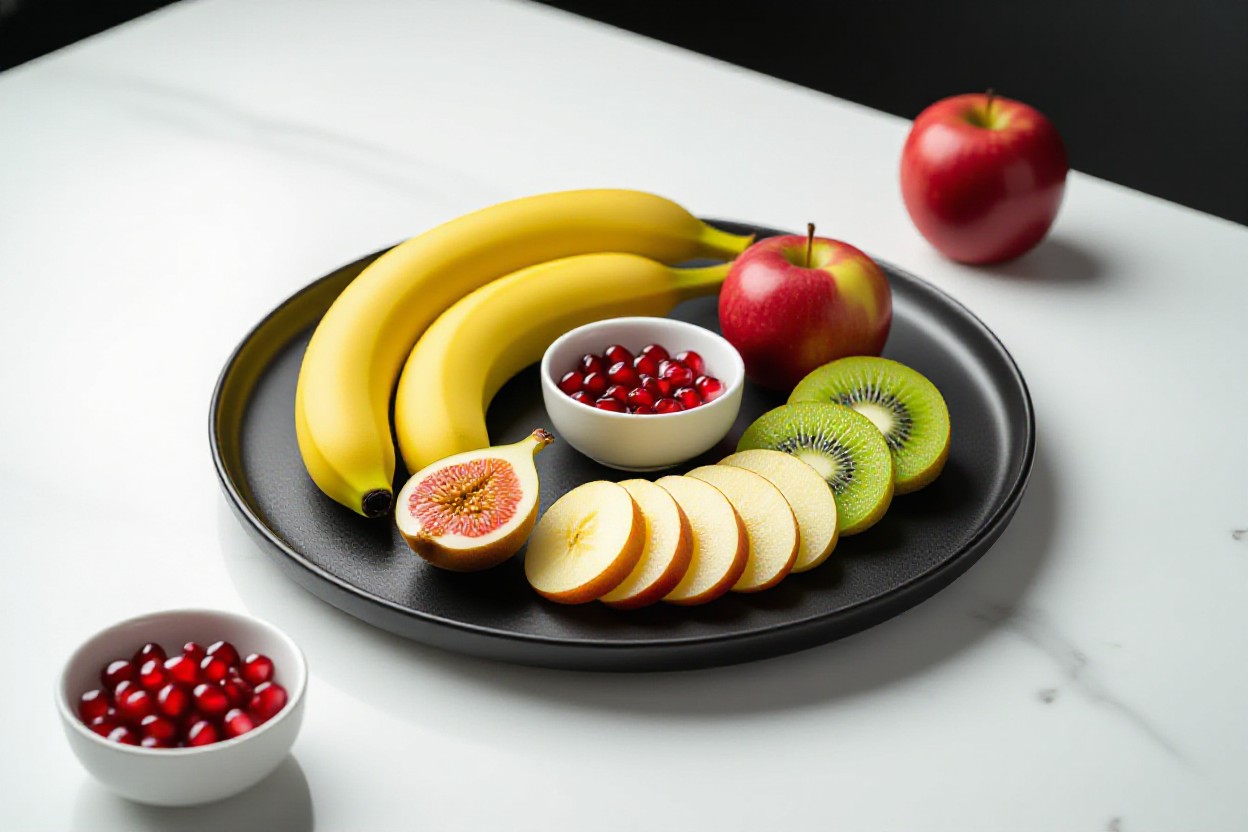
You know those afternoons when you want something sweet but don’t want to wreck your gut? That’s where prebiotic-packed fruits quietly save the day. When you reach for bananas, apples, or even a handful of berries, you’re not just snacking – you’re feeding the good bacteria in your gut. These fruits are loaded with natural fibers that your body can’t fully digest, but your microbiome loves.
Bananas – creamy and sweet
That moment when you grab a soft, spotty banana from the counter and eat it in three bites… yeah, that’s actually a gut health win. Ripe but not overly brown bananas contain prebiotic fibers like resistant starch that your gut bacteria happily munch on. You get steady energy, a bit of sweetness, and a snack that feels almost dessert-y without wrecking your blood sugar. Toss them in yogurt, slice over oats, or just eat them straight – your gut pretty much applauds either way.
Apples – perfect on-the-go
When you toss an apple into your bag on the way out the door, you’re kind of packing a secret gut health weapon without even trying. The skin is loaded with pectin, a powerful prebiotic fiber, and that helps feed the microbes that keep your digestion smooth and your immune system supported. Plus, apples are ridiculously easy to eat anywhere – car, desk, park bench, whatever.
You know that satisfying crunch when you bite into a fresh apple in the car between errands? That little moment is doing more for your gut than most fancy snacks. The combination of fiber and natural sugars gives you a gentle energy boost while the pectin helps support regular digestion, so you feel less heavy and sluggish after eating.
If you keep the peel on – and you really should – you’re getting way more prebiotic power, because a big chunk of the fiber and plant compounds hide right there in the skin. Slice apples with peanut butter, toss them into a salad with walnuts, or cook them low and slow with cinnamon for a cozy gut-friendly dessert that still feels like a treat. And if raw apples sometimes bother your stomach, you can lightly stew them so they stay gentle on digestion while still feeding your good bugs.
Nuts and Seeds, Oh My!
About 1 in 3 adults isn’t getting enough fiber, which is wild when nuts and seeds are such an easy fix for your gut. When you snack on almonds, walnuts, chia, or flax, you’re feeding your microbes with naturally occurring prebiotic fibers and healthy fats that keep you full for hours. You can toss them on yogurt, mix into trail mix, or just grab a handful straight from the jar – super low effort. And the best part, your gut bacteria actually use these snacks to make short-chain fatty acids that support digestion and immunity.
Almonds – tasty and filling
A small handful of almonds gives you about 3-4 grams of fiber, plus prebiotic compounds that help your good gut bacteria grow. When you reach for almonds instead of ultra-processed snacks, you’re getting protein, healthy fats, and that slow, steady energy that keeps you from crashing. You can throw them into your bag for work, chop them over oats, or blend them into almond butter if you prefer things creamy. Your gut, your blood sugar, and honestly your energy levels all win with this one simple swap.
Chia seeds – sprinkle those
Two tablespoons of chia seeds pack around 10 grams of fiber, and a big chunk of that works as prebiotic fuel for your gut microbes. When you let chia sit in liquid, it forms that gel-like texture that helps keep your digestion regular and your blood sugar more stable. You can sprinkle them on literally anything – yogurt, smoothies, toast, salads, even into pancake batter – they’re tiny but mighty. If you want a lazy gut-friendly move, chia seeds are like your secret weapon.
When you soak chia seeds, they swell up to almost 10 times their size, and that gel they create can support smoother digestion and more comfortable poops, which your future self will thank you for. Because they’re so fiber-dense though, you really want to pair them with enough water, otherwise you might feel bloated or backed up, which is the total opposite of what you’re going for. Start with a teaspoon or two, see how your body feels, then slowly work your way up while you increase your fluids too. That way you get the best of both worlds – powerful prebiotic support without any weird gut surprises.
Yummy Fermented Favorites
You know that friend who suddenly had way more energy after swapping chips for fermented snacks? That can be you, because things like Greek yogurt, kimchi, kefir, and sauerkraut quietly flood your gut with friendly bacteria that love to snack on prebiotic fibers. These foods are tasty, a bit funky, and surprisingly simple to fit into your normal routine, so you don’t feel like you’re on some weird wellness retreat. Over time, they can help you feel lighter, less bloated, and more regular, which is a pretty big win for something that actually tastes good.
Greek yogurt – creamy delight
Picture yourself grabbing a cold bowl of Greek yogurt, swirling in berries and a drizzle of honey, and it feels more like dessert than health food, right? That creamy texture hides a powerhouse of live cultures that work with your gut and love those prebiotic toppings like oats, banana, or chia seeds. When you pair thick Greek yogurt with fiber-rich mix-ins, you create a simple snack that keeps you full, supports better digestion, and satisfies cravings so you don’t go hunting for ultra-processed snacks an hour later.
Kimchi – spicy and tangy
Imagine opening a jar of kimchi and that sharp, tangy smell hits you… then you pile a little on your rice or eggs and suddenly the whole meal wakes up. This spicy Korean classic is loaded with live cultures that thrive on the natural fibers in cabbage, garlic, and radish, so you get both prebiotics and probiotics in one bite. You can toss it into grain bowls, tacos, or even grilled cheese if you’re feeling wild, and it quietly supports your gut while making everything taste way more exciting.
The fun thing about kimchi is how it sneaks into your routine once you give it a real shot, you start with a tiny forkful on the side of your dinner and next thing you know, you’re craving that spicy crunch. Because it’s made from cabbage, garlic, scallions, and sometimes radish, you’re feeding your gut with natural fibers while the lactic acid bacteria get to work creating those live cultures that support a more diverse microbiome, and that combo is seriously powerful for your digestion. You do want to watch how much you eat if you have a sensitive stomach or high blood pressure though, since some store-bought versions can be very high in sodium and might trigger bloating if you go all in too fast. Start small, see how your body reacts, then build up – a spoonful with rice, tucked into a wrap, or stirred into a simple noodle bowl can give you flavor, heat, and gut support without feeling like you’re forcing anything “healthy” at all.
Sweet and Savory Snacks
One of those mid-afternoon slumps hits and you’re torn between something salty or something sweet, right? With prebiotic-rich options, you actually get to have both while feeding your gut. By pairing things like fiber-packed popcorn with a few squares of dark chocolate, you create snacks that taste indulgent yet quietly support your beneficial gut bacteria. You get that satisfying crunch, a little sweetness, and your microbiome gets the kind of fuel it loves, so your snack break stops feeling like a guilty habit and starts working in your favor.
Dark chocolate – treat yourself
A friend of yours probably swore that dark chocolate is “healthy” and, in this case, they’re not totally wrong. When you choose a bar that’s 70% cocoa or higher, you’re getting natural compounds that can act like gentle prebiotics, supporting your gut bugs while still hitting that dessert craving. Just stick to a small serving, pair it with something fibery like berries or nuts, and you’ve basically turned your nightly treat into a gut-friendly ritual instead of a sugar bomb.
Popcorn – air-popped joy
Movie nights at home hit differently when your bowl is piled high with air-popped popcorn instead of greasy microwave stuff. You’re actually snacking on a whole grain that brings in prebiotic-friendly fiber, especially when you skip the heavy butter and go for herbs, olive oil, or nutritional yeast instead. That simple switch keeps popcorn light, crunchy, and surprisingly filling, while your gut microbes get the kind of slow-burn fuel that helps them thrive.
When you pop your own kernels on the stove or in an air-popper, you control everything – the fat, the salt, the toppings – which is huge because store-bought bags can be loaded with additives and inflammatory oils that don’t do your gut any favors. You get this big volume of food for relatively few calories, but the kicker is the fiber, since popcorn is a legit whole grain and that roughage helps feed your gut bacteria. Try tossing it with garlic powder, smoked paprika, or even a tiny sprinkle of grated Parmesan, and suddenly you’ve got a snack that feels fun and a bit fancy while still being firmly on your gut-health team.
Breads that Pack a Punch
You know that moment when you want something bready and comforting, but you also want your gut to actually benefit from it? That’s where certain breads really shine, because they come with natural fibers that act like prebiotic fuel for your good gut bacteria. When you grab options like sourdough or hearty rye, you’re not just eating toast, you’re quietly supporting better digestion, more stable energy, and happier bathroom trips. So your snack plate can feel cozy, but still do some serious work behind the scenes for your microbiome.
Sourdough – tangy and tasty
Picture a warm slice of sourdough with a bit of avocado or nut butter on top, that tangy flavor hits first, but your gut gets the real win. Thanks to its long fermentation, sourdough can be easier to digest than many regular breads, and it keeps more of those fibers your gut microbes love to snack on. You still want to choose versions made with whole grains for the most prebiotic payoff, but even a simple slice of good-quality sourdough can turn into a gut-friendly, super satisfying snack.
Rye bread – flavorful option
When you bite into proper rye bread, you feel that dense, earthy chew that sticks with you in a good way, and your gut bacteria feel it too. Rye is naturally rich in prebiotic fibers like arabinoxylans and resistant starch, which means your microbes get a slow, steady feast. Plus, its hearty texture helps keep you full longer and steady on blood sugar, so that afternoon energy crash hits a lot less often.
If you stack your snack plate with rye bread, you’re basically choosing a flavor bomb that also works overtime for your gut. Go for dense, dark rye or true pumpernickel rather than fluffy “rye-style” loaves, because those deeper-colored breads usually pack more fiber and prebiotic goodness. Pair it with hummus, smoked salmon, or a thick smear of tahini and you’ve got a snack that feels gourmet but is quietly feeding your beneficial bacteria. Just a small heads up if you’re not used to high fiber – ramp up slowly so you don’t end up with extra gas or bloating, since too much rye at once can feel rough on a sensitive gut.
Smoothies to Sip
About 95% of your body’s serotonin is made in your gut, so sipping prebiotic-packed smoothies is basically feeding your mood as much as your microbiome. You toss everything in a blender, hit a button, and boom… you’ve got a fiber-rich, gut-loving snack you can drink on the go. When you sneak in ingredients like oats, banana, kefir, and inulin powder, you’re quietly giving your good bacteria the fuel they need to thrive – while it still tastes like a treat, not a chore.
Berry smoothie – refreshing blend
Studies show berry polyphenols can actually act like prebiotics, so your berry smoothie is doing more than just tasting good. When you blend mixed berries with yogurt, a bit of oat or flax, and maybe a drizzle of honey, you’re building a cooling, antioxidant-loaded drink that also feeds your beneficial gut bugs. It’s light, tangy, and perfect when you want something refreshing that still supports your digestion and daily energy.
Green smoothie – nutrient-rich
Research links leafy greens with a more diverse gut microbiome, so a green smoothie can be your quick daily upgrade. Toss in spinach, kiwi, green apple, avocado, and a spoon of chia or ground flax and you’ve got a seriously nutrient-dense, prebiotic-rich blend in one glass. It tastes clean and fresh, and it quietly supports smoother digestion, better energy, and a more balanced gut environment.
One of the wild things about a good green smoothie is how much fiber you can sneak in without even noticing – those greens, seeds, and fruits are all prebiotic powerhouses working behind the scenes. You’re not just drinking vitamins, you’re literally feeding the microbes that help regulate your immune system, appetite, and even how steady your energy feels all afternoon.
When you blend spinach or kale with banana, kiwi, and a tablespoon of chia, the mix of soluble and insoluble fiber slows digestion just enough to keep you satisfied, not sluggish. And if you pour it over a few ice cubes or add a squeeze of lemon, it suddenly feels like a spa drink you made in your own kitchen.
Because you’re drinking the whole plant, not just the juice, you keep all that gut-friendly fiber intact – that’s what your bacteria are hungry for. Add plain yogurt or kefir and you’ve got prebiotics plus probiotics in the same glass, which is one of the easiest daily habits you can build if you want a more resilient, happier gut over time.
Prebiotic Bars: Handy & Delicious
Ever wish your snack bar did more than just stop your stomach from growling? Prebiotic bars are your shortcut to feeding those good gut bacteria while still keeping things tasty and convenient. When you pick bars rich in chicory root, oats, or inulin, you get that satisfying chew plus a steady gut-loving boost. If you want more ideas on gut-happy snacking, check out 3 Types of Gut-Healthy Snacks for Better Digestion and use it as your snack-picking cheat sheet.
Snack bars – on-the-go treats
Running from meeting to workout to school pickup and need something you can eat with one hand? Snack bars with prebiotic fibers give you quick energy while quietly supporting digestion in the background. You just toss one in your bag and skip the vending machine roulette. Just watch for bars packed with added sugars and weird fillers, because those can sabotage what should be a gut-friendly win.
Granola bars – munch away
Think your everyday granola bar can’t double as a gut health tool? If you choose bars built around whole oats, nuts, seeds, and prebiotic fibers, you’re basically turning snack time into a mini microbiome tune-up. You still get that sweet, crunchy bite you crave, only now it’s actually helping your digestion. That means fewer energy crashes and more steady, happy gut vibes through your day.
When you’re eyeing granola bars, you want ones where oats, nuts, and seeds sit at the top of the ingredients list, not sugar or syrup hiding in every nook and cranny. Because those refined sugars can feed the not-so-great microbes, you might feel bloated or sluggish afterward instead of supported. Aim for bars with at least a few grams of fiber, very little added sugar, and real food ingredients you can say out loud without squinting at the label. And if you like getting hands-on, making your own granola bars with oats, chia, a little honey, and inulin or chicory root powder lets you dial in the sweetness while keeping your gut-health game seriously strong.
What’s the Deal With Prebiotic Fiber?
You know that slightly bloated, kinda sluggish feeling after a long day of random snacking? That’s often your gut asking for more prebiotic fiber. This special type of fiber feeds the good bacteria in your intestines so they can support digestion, immunity, even mood. You don’t actually digest prebiotics – your microbes do, turning them into short-chain fatty acids that help keep your gut lining strong and inflammation in check. So when you reach for prebiotic-rich snacks, you’re basically stocking the pantry for your gut bugs.
Keep things moving
Your body likes a rhythm, especially when it comes to, well… bathroom time. Prebiotic fiber helps bulk up your stool and pull water into the intestines, so everything moves along more smoothly and less painfully. That means fewer days of feeling backed up and heavy, and more regular trips that don’t feel like a workout. If your digestion has been slow, adding prebiotic-packed snacks can give your gut that gentle nudge it’s been missing.
Fuel for your gut
Your gut microbes are picky eaters, and what they love most is prebiotic fiber. When you feed them right, they produce protective compounds that support your gut lining, calm irritation, and help keep harmful bacteria from taking over. Think of prebiotic snacks as daily fuel for this tiny ecosystem that’s quietly running so much of your health behind the scenes.
When you snack on things like chicory root bars, slightly green bananas, oats, or cold potatoes, you’re not just feeding yourself – you’re feeding billions of microbes that live in your large intestine and those little guys can affect everything from bloating to cravings. They ferment that prebiotic fiber and pump out short-chain fatty acids that help reduce inflammation, support your immune system, and keep your gut barrier from getting leaky, which can trigger all kinds of annoying symptoms. If your diet is low in these fibers, the balance can flip and less-friendly bacteria may start to dominate, which can leave you more gassy, puffy, and uncomfortable. So when you consistently give your gut this kind of fuel, you’re basically training your microbiome to work for you instead of against you, and over time you’ll usually feel the difference in your energy, digestion, and even how steadily your mood holds up through the day.
Really Easy Prebiotic Recipes
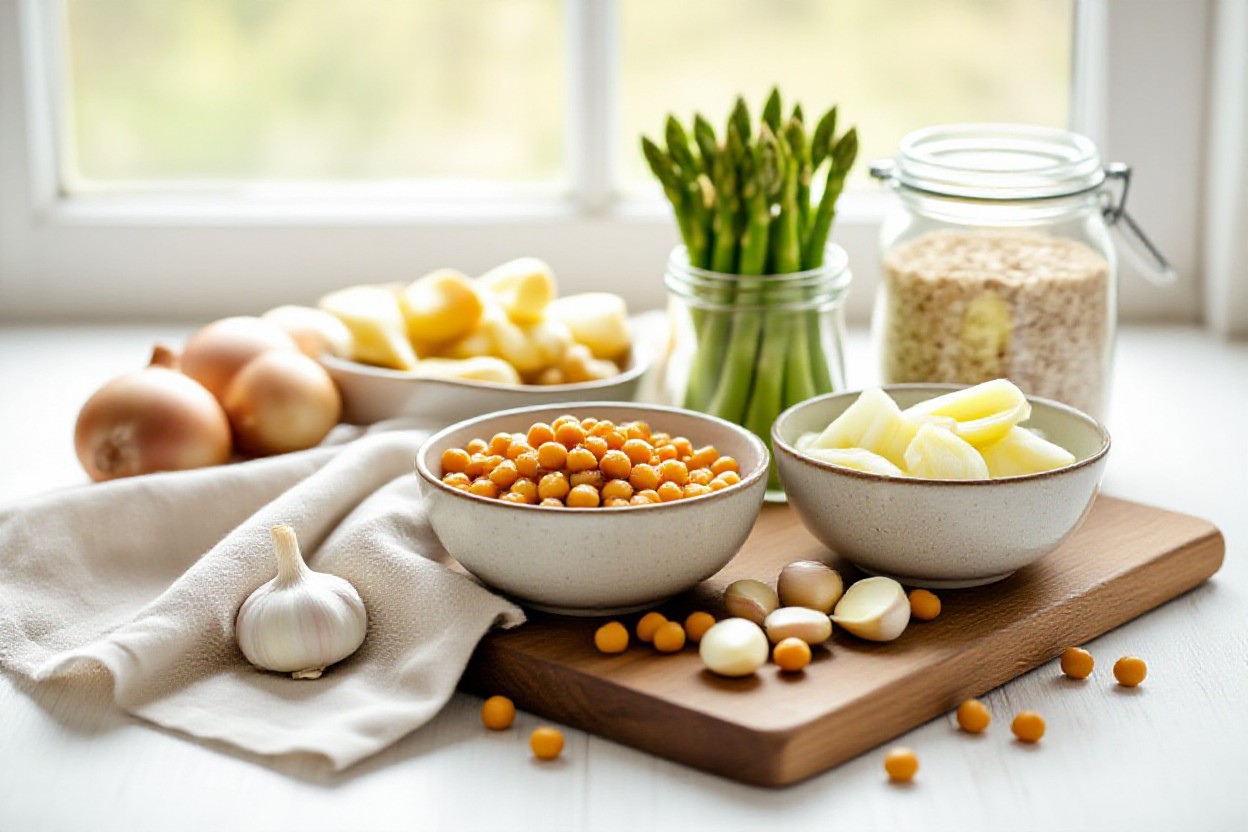
You know that moment when cravings hit and you just want something snacky that actually does your gut a favor too? That’s where these really easy prebiotic recipes save you, because you can throw them together fast, stash a few in the fridge, and suddenly your snacks are quietly feeding those beneficial gut bacteria. You’re working with simple ingredients like oats, beans, garlic, onions, and veggies, so your daily bites start pulling double duty – tasty now, gut-supporting later, with almost zero effort from you.
Overnight oats – meal prep
One hectic weekday morning, you open the fridge and there’s this jar of overnight oats just waiting, and future-you wants to hug past-you for being so on top of it. When you mix oats with chia seeds, a little yogurt, maybe some banana or apple, you’re setting up a legit prebiotic breakfast that keeps your gut microbes happily fed. You just stir it all together the night before, let it sit, and by morning you’ve got a grab-and-go jar that tastes indulgent but quietly supports your digestion and steady energy.
Veggie dip – quick fix
Picture this: you’re pacing in front of the fridge, tempted by random snacks, and instead you pull out crunchy carrots, peppers, and a creamy dip you whipped up in five minutes. That dip can be a prebiotic powerhouse if you blend in chickpeas or white beans with garlic, onion, and a bit of yogurt, giving your gut microbes legit fuel. You get that salty, savory hit you’re craving, while your veggies and dip tag-team to support better digestion, less bloating, and more balanced energy through the day.
When you take this veggie dip idea a bit further, it basically becomes your weeknight rescue plan in a bowl. You can mash chickpeas or white beans with olive oil, lemon, garlic, and plain yogurt, then sneak in extras like spring onion, a little grated raw garlic, maybe even some artichoke or asparagus for extra prebiotic fiber. Suddenly your random fridge veggies – carrots, cucumber, radishes, peppers, even cold leftover potatoes – turn into a legit gut-supporting snack that actually feels satisfying, not like sad diet food.
And because you’re using beans plus alliums like garlic and onion, you’re hitting that sweet spot where flavor and gut health overlap in the best way. If your stomach is on the sensitive side, you can go light on the garlic at first and build up slowly so your body has time to adjust instead of going straight to bloat city. Keep a container of this dip in your fridge and you’ve basically lowered the barrier to eating more fiber-rich veggies to almost zero, which can lead to steadier digestion and a more diverse gut microbiome over time.
How to Incorporate Them Daily
Small gut-friendly choices add up shockingly fast when you weave them into your normal routine, not some perfect wellness fantasy. You simply slot prebiotic-rich foods into habits you already have – your coffee break, your afternoon slump, your late-night snack. Over time, those tiny tweaks can support a more diverse, resilient gut microbiome, better digestion, and steadier energy, without obsessing over every bite.
Breakfast ideas – kickstart
Your morning is prime time to front-load prebiotics so your gut gets a head start. Toss banana, oats, chia seeds, and a spoon of cold potato or green banana flour into yogurt, or blend them into a smoothie if you’re rushing out the door. You can even top toast with hummus and sliced onions or garlic for a savory spin that quietly feeds your good gut bacteria before your day goes wild.
Snack swaps – be creative
Your snack game is where prebiotics can quietly do some of their best work. Instead of standard ultra-processed snacks, reach for apple slices with peanut butter, carrots with hummus, or cold leftover potatoes tossed in olive oil and herbs. Those simple swaps give you satisfying crunch and flavor while feeding your beneficial gut microbes and supporting more stable energy, not just a quick sugar spike and crash.
Snack swaps get really fun when you treat them like experiments instead of strict rules, you just trade one thing at a time and see how your body feels. Swap chips for chickpea puffs or roasted chickpeas, candy for dates stuffed with nut butter, or sugary yogurt for plain yogurt topped with berries, oats, and flax. You still get salty, sweet, creamy textures, but now your snacks are quietly boosting your digestion, satiety, and overall gut health. And if you crave something super processed sometimes, that’s life – you just slide back to your prebiotic-rich options next time without guilt.
What’s the Buzz About Gut Health?
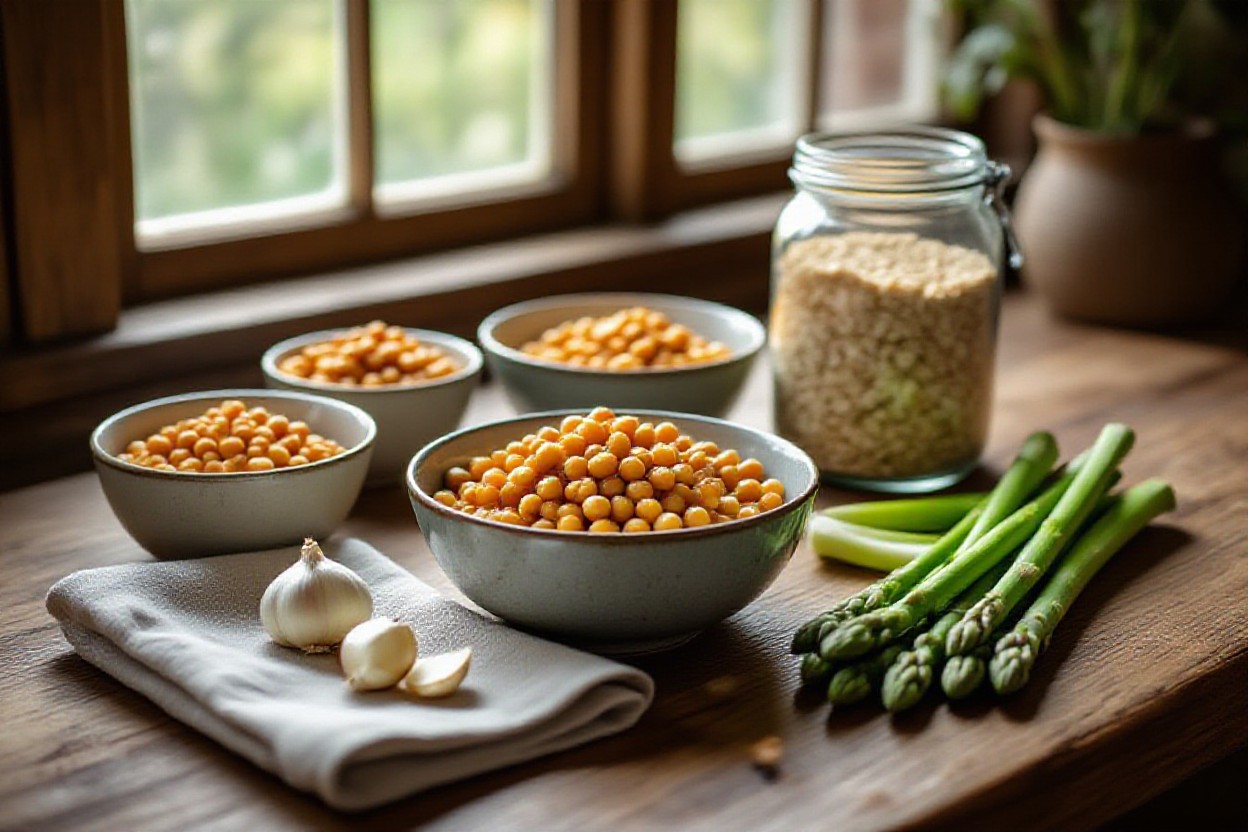
Over 70% of your immune cells actually live in your gut, so when you feed it right with prebiotic-rich snacks, you’re not just helping digestion, you’re supporting your whole body. Your gut is like a busy city of microbes, some helpful, some not-so-great, and what you eat decides who’s in charge. When the good guys get the fuel they love, you get better digestion, steadier energy and fewer random health niggles. So yeah, gut health isn’t just a trend, it’s pretty much the quiet boss of your wellness.
Immune system boost
About 70-80% of your immune system is hanging out in your gut, which means your snack choices matter a lot more than you might think. When you feed your gut bacteria with prebiotic fibers, they produce short-chain fatty acids that help calm inflammation and support your immune defenses. You’re basically giving your body a better toolkit to handle everyday bugs, stress and seasonal sniffles. So that simple prebiotic-rich snack? It’s doing way more work behind the scenes than just filling you up.
Mood enhancer
Scientists estimate that around 90% of your serotonin (your feel-good chemical) is made in your gut, not your brain, which is pretty wild when you think about it. Your gut and brain chat constantly through the gut-brain axis, so when your gut is happy, your mood, focus and stress levels usually feel a whole lot better too. Prebiotic snacks support the good bacteria that make this system run smoothly, so you’re not riding that constant emotional rollercoaster after every meal. It’s like giving your brain a quiet, steady backup crew.
When you dig into the mood side of gut health, things get really interesting, because you can literally feel a difference in your day. You know those times you feel foggy, snappy or weirdly anxious for no big reason? A disrupted gut can gently fan the flames on all of that.
Because your microbes help produce and regulate neurotransmitters like serotonin and GABA, feeding them prebiotic fibers can support calmer moods, better sleep and fewer random emotional crashes. It’s not magic, but over time, your brain responds to that steady input from a balanced gut community. And yeah, you still need good habits like movement and decent sleep, but when your snacks are quietly helping your gut-brain chat more smoothly, you’ve stacked the deck in your favor in a really smart way.
Why Packaged Snacks Aren’t Always Great
Ever rip open a “healthy” snack and wonder why you still feel sluggish or weirdly hungry afterward? A lot of packaged options are built for shelf life, not your gut, so you end up with refined flours, cheap oils, and additives that don’t really love you back. Your microbiome gets shortchanged while your taste buds get tricked, and over time that can mean more cravings, less energy, and a less diverse, less resilient gut.
Hidden sugars – beware
Did you know your “light” or “protein” snack might be loaded with hidden sugars under names you barely recognize? You get hits of sweetness from syrups, concentrates, and fake-sounding ingredients that spike your blood sugar, then leave you crashing later. That repeated spike-crash pattern can throw your gut bacteria off balance and quietly nudge you toward inflammation, weight gain, and sugar cravings that feel impossible to shake.
Processing – what’s lost?
Ever notice how packaged snacks are insanely uniform – same shape, same texture, same taste every time? That consistency comes from heavy processing that strips away a lot of the natural fibers, polyphenols, and micronutrients your gut buddies thrive on. You might still hit your calories, sure, but your microbiome is basically getting crumbs, not a meal, and your gut lining, immune system, and digestion can all feel the fallout over time.
When snacks go through intense processing, you lose not just fiber but the whole food matrix – the way nutrients naturally work together in harmony. Your body then has to deal with super fast-digesting starches, oxidized fats, and additives that your gut bacteria don’t exactly celebrate. And as that pattern repeats day after day, your beneficial microbes can shrink in variety while more opportunistic, less friendly ones get comfy.
My Favorite Prebiotic Pairings
Some snack combos just hit different, right? When you pair foods that naturally feed your gut bacteria with ones that add protein, healthy fats, or extra fiber, you get a snack that’s way more powerful than the sum of its parts. You feel fuller, more energized, and your digestion gets a quiet little upgrade in the background while you go about your day.
Yogurt & fruit – yum!
When you scoop yogurt into a bowl and pile on fruit, you’re basically giving your gut a tiny spa treatment. The yogurt delivers probiotics, while the fruit brings in prebiotic fibers that help those good bugs thrive. If you choose plain yogurt, you skip the sneaky sugars and let the natural sweetness of berries, banana, or kiwi do the heavy lifting, so your snack feels light but still super satisfying.
Nut butter & apples – classic
This combo feels so simple, but it quietly does some serious work for your gut. Apples are full of prebiotic pectin that supports beneficial bacteria, and nut butter brings protein plus fats that keep you full longer. You get stable energy, fewer random sugar crashes, and a snack that tastes like dessert but actually has your digestion’s back.
When you slice up a crisp apple and swipe it through your favorite nut butter, you’re not just having a nostalgic snack from childhood, you’re creating a fiber-plus-healthy-fat power move for your gut. The pectin in apples acts like a gentle food source for your good microbes, while the nut butter slows digestion so your blood sugar doesn’t spike and crash all over the place. If you go for peanut, almond, or cashew butter without added sugars or weird oils, you keep this snack on the positive side – and if you have a nut allergy, swapping in sunflower seed butter helps you avoid a potentially dangerous reaction without losing that creamy, satisfying vibe.
How to Get Kids on Board
Your kid is staring down that bowl of chickpea crisps like it’s alien food, right? If you want prebiotic-rich snacks to actually land, you’ve got to sell the story – colors, crunch, and a bit of mystery help a lot. Talk about how these foods help build their “superhero gut bugs” and give them more energy for games, sports, and, yes, even better poops. When kids feel like they’re part of a cool team, they’re way more likely to eat the snacks that quietly upgrade their gut health.
Fun snack ideas – entice them
Your best bet is to turn prebiotic snacks into stuff your kids already love, just with a quiet fiber boost hiding inside. Try apple slices with peanut butter and crushed high-fiber cereal, yogurt topped with banana and a sprinkle of inulin granola, or DIY snack cups with beans, corn, and avocado. Give foods silly names like “tummy hero bites” or “gut power crunch” so they feel playful instead of medicinal. These little tricks help you serve seriously healthy snacks that still feel like treats.
Let them help – make it fun
Your kitchen turns into a lot less of a battle zone when kids feel like they’re the chef, not just the taste-tester. Let them pick the fruit for prebiotic parfaits, stir chickpeas with spices, or layer veggies into mini snack jars. When they touch, mix, and build their own food, they’re way more likely to eat it – and feel proud doing it. That simple sense of ownership can become a powerful tool for better gut health habits.
On a practical level, you can set up a “snack station” so your kids get to choose from a few parent-approved, prebiotic-rich options like sliced pears, whole grain crackers, or little containers of cooled lentils they can top with cheese. You stay in charge of what’s offered, but they get to pick what lands on their plate, which is huge for long-term food confidence. Let them push the blender button, sprinkle the granola, or shake the spice jar – small jobs feel big to them and make the whole process fun instead of a negotiation. Over time, this playful involvement helps prebiotic snacks feel normal, not weird, so your kids actually ask for foods that secretly keep their gut microbes happy and resilient.
The Key to Sustainable Choices
Trading random snack grabs for intentional prebiotic picks is like swapping a cluttered closet for a capsule wardrobe – suddenly everything works better. When you choose foods that feed your gut microbes and respect the planet, you create a feedback loop where your energy, digestion, and long-term health all get a lift. You’re not just grabbing a snack, you’re casting a tiny vote every time you eat, and those small choices add up fast for your body and for the environment.
Local foods – fresh options
Going local with your prebiotic snacks is like getting the director’s cut instead of the watered-down version – more flavor, more fiber, more of the good stuff. When your apples, leeks, or onions don’t travel thousands of miles, they usually hit your plate fresher, which means their prebiotic content often stays higher. You support nearby growers, cut transport emissions, and you actually taste the difference in those crisp bites and vibrant colors.
Less waste – eco-friendly
Cutting snack waste is kind of like decluttering your kitchen counters: suddenly you can see what you’ve got and you actually use it. When you plan prebiotic-rich bites with leftovers or imperfect produce, you’re keeping perfectly good food out of landfills and trimming your grocery bill too. Your gut wins, your wallet chills out, and the planet gets a break.
Because food waste is such a big silent problem, your snack habits actually matter more than you’d think. When you turn leftover roasted veggies into a quick hummus topper or use sad-looking bananas for prebiotic-loaded overnight oats, you’re cutting methane-producing trash and squeezing every bit of nutrition out of what you buy. And that simple move – using what you already have for your gut-friendly snacks instead of tossing it – is one of the most impactful, low-effort eco steps you can take in your everyday eating routine.
The Real Deal About Balance
Balance with prebiotic snacks isn’t about being perfect, it’s about not going overboard just because something is labeled “gut healthy.” You can absolutely enjoy your favorite chips or dessert and still support a strong microbiome when you pair them with prebiotic-rich choices like chicory root bars, green bananas, or oat-based bites. The magic happens when your snack routine feels flexible, sustainable, and not obsessive, so your gut gets steady nourishment while your brain still gets joy.
Moderation is imperative
It might surprise you, but too many “healthy” snacks can leave you bloated, gassy, and kind of miserable, even if they’re packed with fiber. You want steady, moderate amounts of prebiotics spread through the day, not huge piles in one sitting that shock your gut. That way your microbes stay happy, your digestion feels smoother, and you can actually stick with this way of eating long term instead of burning out.
Listen to your body
Your gut is constantly sending signals, and if you tune in, it will flat-out tell you how much prebiotic snack action is right for you. A little extra bloating or gas might be normal at first, but sharp pain, intense cramping, or nonstop discomfort is your cue to slow down and adjust. When you treat symptoms like feedback instead of failure, you can tweak portions, timing, or ingredients so your prebiotic snacks feel supportive, not punishing.
Some days your gut will be like, “Yep, bring on the fiber,” and other days it wants something gentler, and that shift is completely normal. You might notice that certain prebiotic foods hit you harder – maybe raw onions light you up, while oats feel amazing – so you start customizing your snack choices around that pattern. Over time, you build this quiet little skill where you clock your energy, your bathroom habits, your bloat level, and you respond instead of forcing a rigid plan. That’s how you end up with a gut-health routine that actually fits your real life and keeps you feeling good, not just one that looks perfect on paper.
To wrap up
To wrap up, the wild thing is how easily you can upgrade your gut health just by swapping a few snacks you already eat. When you lean on prebiotic-rich bites – like chicory-packed bars, crunchy chickpeas, or garlic-loaded dips – you’re basically feeding the good bugs that keep your digestion, energy, and mood in check.
So as you stock your kitchen, think less about perfection and more about repetition: a couple of smart snacks, day after day, quietly doing serious work for your gut.
FAQ
Q: Why should I even care about prebiotic-rich snacks for gut health?
A: Gut health hits pretty much everything – energy, mood, cravings, bloating, even how often you get sick. Prebiotic-rich snacks basically act like fertilizer for your good gut bacteria, giving them the specific fibers they love to feed on.
A lot of people focus only on probiotics (like yogurt or supplements), but if those good bugs don’t have food, they don’t stick around for long. Prebiotic snacks help your gut microbes thrive, which means smoother digestion, more regular poops, less random bloating, and often more stable energy throughout the day.
Q: What exactly counts as a prebiotic-rich snack?
A: Prebiotic-rich snacks are basically foods that contain fibers or compounds your body can’t digest but your gut bacteria can. Classic examples are snacks with chicory root, inulin, resistant starch, and certain types of soluble fiber.
In everyday food language, think snacks made with oats, barley, green bananas or green banana flour, apples, beans, lentils, garlic, onions, leeks, asparagus, Jerusalem artichokes, and even cooled potatoes (resistant starch). So things like oat-based bars, apple with peanut butter, hummus with whole grain crackers, or a small bowl of cold potato salad can all be gut-friendly prebiotic snacks.
Q: Are prebiotic snacks going to make me super gassy and bloated?
A: They can, especially if your usual fiber intake is pretty low, but it doesn’t have to be miserable. Gas is actually a sign that your gut bacteria are fermenting the fibers and doing their job.
The trick is to go slow. Start with small portions – like half a bar instead of the whole thing, or a few spoonfuls of hummus instead of a giant bowl – and drink water through the day. Your gut microbes adapt over time, so what feels like “whoa, too much” at first often becomes totally normal after a couple of weeks.
Q: What are some easy prebiotic-rich snacks I can grab without cooking?
A: If you want zero-fuss, you’ve got options. Try an apple or pear with a handful of nuts, a small container of plain yogurt topped with sliced banana (slightly green is even better), or whole grain crackers with hummus.
Packaged stuff can work too: look for snack bars that list chicory root fiber, inulin, oats, or barley high in the ingredient list. Roasted chickpeas, lightly salted edamame, or pre-cut veggie packs with garlic-heavy hummus are also sneaky-good for your gut and take no effort.
Q: How often should I eat prebiotic snacks to actually notice a difference?
A: Think consistency more than perfection. Aiming for 1 to 2 prebiotic-rich snacks per day is a sweet spot for most people, especially if your main meals already have some veggies and whole grains.
Most folks start to notice changes like easier bowel movements, less random bloating, and fewer 3 pm energy crashes within 1 to 3 weeks. It isn’t an overnight magic trick, but if you keep feeding your gut bugs, they pay you back over time.
Q: Can prebiotic snacks help with weight management or sugar cravings?
A: They can definitely help, but in a quiet, background kind of way. Prebiotic fibers help your gut bacteria produce short-chain fatty acids, which are linked to better appetite regulation and improved insulin sensitivity.
On a more practical level, prebiotic-rich snacks are usually higher in fiber, so they keep you full longer and slow down how fast sugar hits your bloodstream. That can mean fewer “I need something sweet right now” moments and less rollercoaster energy, which makes it easier to eat in a way that supports your goals without white-knuckling it all day.
Q: Are prebiotic snacks safe for everyone, including IBS or sensitive stomachs?
A: People with IBS or very sensitive digestion often react more strongly to certain prebiotic fibers, especially those high in FODMAPs like garlic, onions, and chicory root. That doesn’t mean you’re out of luck, it just means you might need to be more selective and start super low and slow.
Some folks with IBS do better with small portions of oats, green banana, kiwi, firm potatoes, or certain canned lentils instead of big hits of inulin or chicory in bars. If you notice consistent pain, intense bloating, or diarrhea after particular snacks, scale back, try different sources, and if symptoms are strong or long lasting, talk to a dietitian or healthcare pro who knows gut stuff well.
Q: What should I look for on labels when buying packaged prebiotic-rich snacks?
A: Start with the ingredient list. Words like “inulin”, “chicory root fiber”, “acacia fiber”, “oat fiber”, “resistant starch”, “green banana flour”, or “barley” are all good signs. Then check fiber grams – a snack with at least 3 grams of fiber is a decent option, 5 or more grams is even better for a prebiotic-focused snack.
Also watch out for the trade-off: some bars pack in lots of prebiotic fibers but also have tons of added sugar or sugar alcohols that can be rough on digestion. Go for products with simple ingredients, moderate fiber (not 15 g all at once if you’re new to it), and limited added sugar so your gut feels supported, not overloaded.
