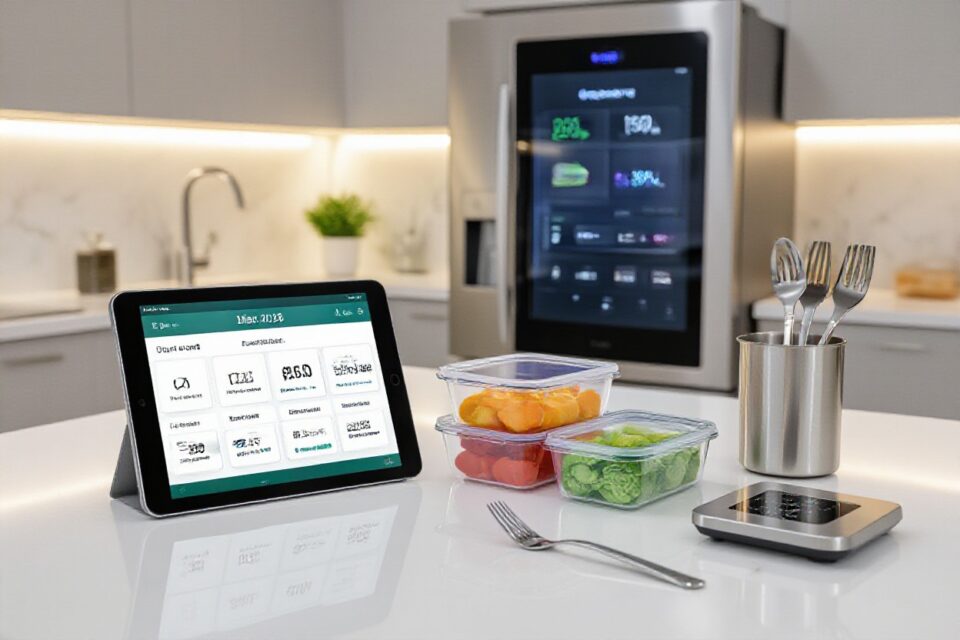
You ever wonder why your friend thrives on keto while you just feel tired and cranky on the exact same plan? In 2026, you’re not guessing anymore – you’re using AI that studies your genes, sleep, gut data, emotions, even your calendar to build meals that actually fit your life, not some generic template. So instead of arguing with fad diets, you’ll watch your meals quietly sync with your metabolism, your health risks, your long-term goals.
What’s the Deal with AI Meal Planning?
With grocery apps quietly slipping in AI meal suggestions based on what you actually buy, you’re already seeing how this tech shapes your plate. Instead of fixed weekly plans, your meals can shift with your sleep data, your step count, and even your stress levels, updating in real time. You’re not just getting recipes, you’re getting adaptive nutrition that negotiates between your cravings and your long term health.
The Basics You Need to Know
At the simplest level, you feed an AI your goals, habits, and limits, and it spits out meals that match, then keeps refining based on what you actually eat. You might sync your smart scale, log your meals for a week, and suddenly it’s predicting when you’ll snack late at night with eerie accuracy. Instead of treating you like an average human, it builds a data model of you, then updates that model every single day.
Different Types of AI-Powered Meal Plans
Different AI meal systems behave almost like different personalities in your kitchen: some act like a strict dietician, others like a flexible sous chef that improvises around your cravings. One app might prioritize macros and blood sugar, another cares more about your budget and cooking time, while a third optimizes strictly for weight loss trajectory over 12 weeks. You end up choosing not just a plan, but an algorithmic philosophy of how your food choices get nudged and negotiated.
- Personalized nutrition
- AI meal planning
- Adaptive diet plans
- Health data integration
- Knowing food algorithms shape your routine helps you pick tools that actually work for your life.
| Macro-optimizer plans | These focus on protein, carbs, fats with near-clinical precision, so you hit targets like 1.6 g protein per kg body weight while still eating food you like. |
| Metabolic-response plans | These plug into wearables and sometimes continuous glucose monitors, adjusting meals based on your unique blood sugar spikes rather than population averages. |
| Budget-smart plans | These track local prices, seasonal produce, and your pantry, cutting grocery costs by 15-30% while still keeping nutrient density high. |
| Time-efficient plans | These care mainly about prep time and effort, clustering ingredients so you batch cook once and reassemble meals in under 8 minutes on weekdays. |
| Ethical or eco-focused plans | These optimize your diet around carbon footprint, animal welfare, and sourcing, nudging you toward lower impact choices without going full ascetic. |
When you zoom in a bit, those different types of AI plans almost feel like competing scientific theories about what “eating well” even means for you. Some treat your body like a physics problem, predicting weight change from energy balance with 70-80% accuracy over a month, while others behave more like evolutionary biologists, mapping your gut reactions, habits, and environment. Because they’re trained on millions of real food logs and outcomes, they spot patterns you’d never see, like how your late meetings reliably trigger ultra-precise 9:45 pm junk cravings.
- Macro-based systems for athletes and quantified-self nerds
- Health data driven plans that adapt to sleep, steps, and glucose
- Wallet-friendly planners that actually watch store discounts
- Sustainability-first diets that track emissions per meal
- Knowing which model fits your priorities lets you wield the algorithm instead of letting it quietly steer your life.
| Who it’s for | Core AI behavior |
| Macro-optimizer users chasing performance | Continuously adjusts macronutrient ratios from your logs and weight trends to keep you near your target body composition. |
| Wearable-heavy health hackers | Uses heart rate, HRV, sleep, and glucose to tweak meal timing and composition, aiming to flatten harmful spikes. |
| Busy families on tight budgets | Cross references local prices, leftovers, and family preferences to cut waste while lowering total cost per calorie. |
| Time-poor professionals | Models your schedule, then clusters recipes into batch cook sessions, reusing bases like beans or grains across the week. |
| Ethically motivated eaters | Scores foods on carbon, water use, and welfare, then quietly swaps in lower impact options that still match your taste profile. |
Tips for Personalizing Your Diet with AI
People think AI will magically create a perfect meal plan overnight, but you only get results when you feed it real data about your routines, constraints, and goals. Start by syncing your wearables, logging at least 7 days of food, and checking how your energy, sleep quality, and blood sugar respond to different meals. For a deeper explore how big this is getting, skim AI-Generated Meal Plan Market Projected to Reach USD … so you see you’re riding a very real wave, not a fad. Thou should keep tweaking weekly instead of expecting perfection on day one.
- Log consistently so AI can pick up your real patterns, not your idealized ones
- Adjust macros based on performance metrics, not just weight
- Use wearable data to link specific meals with sleep and recovery
- Test substitutions instead of deleting whole food groups overnight
- Review suggestions for cultural fit, budget, and time constraints
Finding Your Perfect Fit
People assume one AI app will fit everyone, but your best match depends on how you live, not what’s trending on TikTok. You’ll want tools that handle your allergies, your weird work hours, and your budget in the same interface, otherwise you’ll quit in a week. Some platforms already adapt to your grocery store loyalty data and local prices, shaving 10 to 15 percent off monthly food costs. Thou should treat it like dating apps: try a few, ditch fast, keep the one you actually open daily.
Common Mistakes to Avoid
People think the only mistake is “not following the plan”, but the bigger trap is following a bad one too rigidly. You see this when someone copies a 1,200 calorie AI plan trained on generic BMI rules and ignores their own training load, so performance tanks in 10 days. A 2024 review of 50 diet apps found over 40 percent under-estimated protein for active users, while overselling flashy low carb targets that look scientific but aren’t tailored to you. Thou should treat AI outputs as hypotheses to test, not commandments carved in silicon.
Many people let the app dictate every gram without questioning where its logic comes from, which is wild when you think it might be trained on outdated 1990s nutrition datasets. Because you’re n=1, you’ve gotta push back when the AI suggests aggressive deficits that wreck your sleep or when it slashes fats so low your hormones go sideways. And sometimes the mistake is quieter: never updating your weight trends, meds, or step count, so the model keeps chasing a ghost version of you. The smarter move is to run it like a tiny lab: change one variable, watch your metrics, keep what works, ruthlessly discard what doesn’t.
Step-by-Step Guide to Getting Started
| Setting Up Your AI Meal Planner |
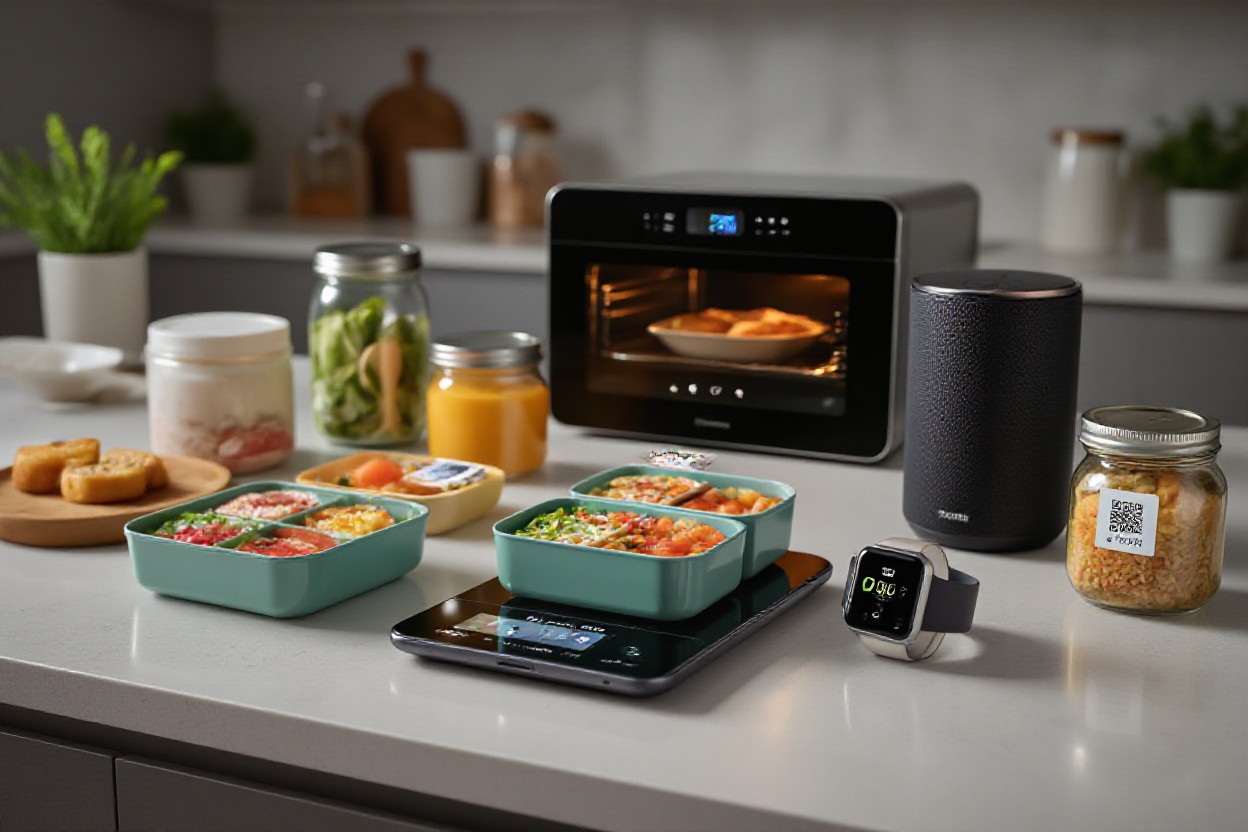
Setting Up Your AI Meal PlannerYou might think setup is just picking a diet label, but your AI needs real numbers: your weight, sleep, workout frequency, even how often you eat out. When you feed it data like 2 gym sessions per week, 7-hour sleep, 2 coffees a day, it can calibrate calories within about 5-10% of your actual needs. Add food dislikes, allergies, and a budget cap (say $60 per week) so the planner avoids recipes that blow up your wallet or gut. The more honest you are, the less guesswork later. |
| Creating Your First Meal Plan |
Creating Your First Meal PlanMost people assume the first AI meal plan has to be perfect, but it’s really just a test run that your planner will keep tweaking. You start with a 3-day window, not a full week, so the algorithm can track how closely you follow it and adjust your protein targets and portions based on what you actually cook. You might accept only 70% of suggested meals at first, which is fine, because those rejections teach the system your real tastes faster than a survey ever will. |
You get way better results with that first meal plan if you treat it like a lab experiment instead of some sacred script you have to obey. Tell the AI you want, say, 110 grams of protein, no more than 1,900 calories, and breakfast ready in under 8 minutes, then let it propose 3 days of meals and you start poking holes in it. Hate cottage cheese, bored of chicken, no time for chopped vegetables at 7 a.m.? Reject those specific recipes and hit substitute so the model learns the pattern behind your “nope” reactions.
What Factors Should You Consider?
Small tweaks in what you ask the AI to optimize for can dramatically change your plate, so you want it aligning with health goals, medical constraints, taste, and budget instead of just blindly chasing macros. Think in terms of long-term adherence rather than short-term hacks, because an algorithm that ignores your culture and routine will quietly fail in 2 weeks. Any smart meal plan in 2026 should treat your biology, preferences, and lifestyle as a single system, not separate tabs.
Dietary Needs and Preferences
Your AI only gets genuinely helpful when it respects your medical history, like type 2 diabetes or IBS, alongside your very human need for comfort foods and rituals. You might lock in rules like gluten-free, low-FODMAP, or plant-based, then let the system search thousands of recipes to find ones you might actually crave at 9 pm. Any good setup should encode allergies, intolerances, religious rules, and non-negotiable hates, so the AI never “suggests” shrimp when you’re allergic to shellfish.
Lifestyle Choices That Matter
Your daily rhythm – commute, workouts, sleep, stress – quietly dictates whether an AI meal plan survives outside the app. If you’re doing shift work or night shifts, the planner can flip meal timing, emphasize slow-release carbs, and keep caffeine under control after 2 am. It can even map your training schedule to protein timing, so leg day actually gets the extra 20-30 g your muscles are begging for. Any lifestyle-aware system will also factor in your cooking skills, kitchen gear, and time-per-meal, so it never throws you a 12-step recipe on a day packed with meetings.
When you sync lifestyle data properly, the system stops acting like a textbook and starts acting like an assistant that lives in your pocket. You can plug in your Apple Health or Garmin stats, let it see that you averaged 11,000 steps this week instead of 4,000, and the AI will quietly nudge your calorie targets and carb window around your long run. If you travel for work twice a month, it can auto-switch to a “hotel mode” that suggests airport options and micro-friendly meals, then switch back when you’re home with a full kitchen. Over a few weeks, as it sees when you actually cook vs when you bail and order takeout, it learns your “real” behavior and starts planning more grab-and-go meals on stressful days and slightly more complex, nutrient-dense dishes on weekends when you have time to experiment and enjoy the process.
The Ups and Downs: Pros and Cons of AI Meal Planning
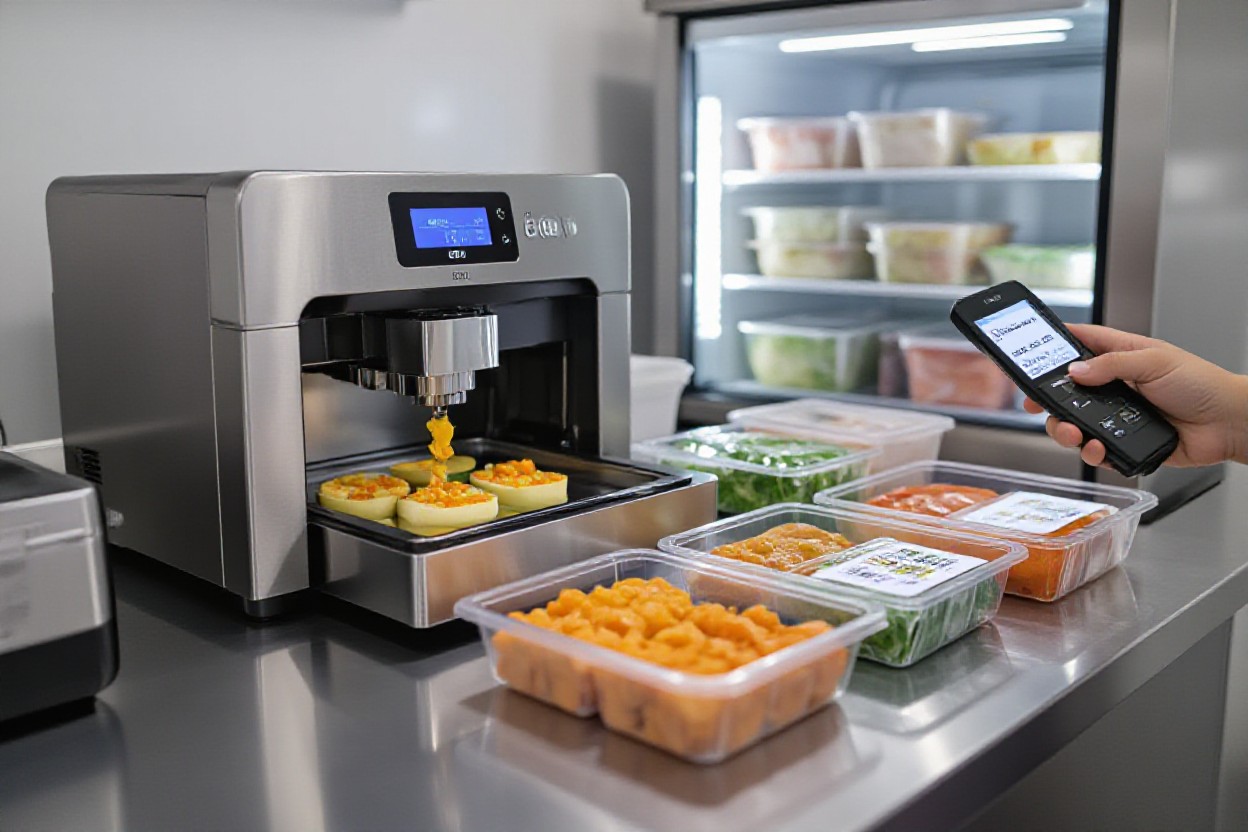
You get this strange mix of lab-grade precision and very human messiness when you let algorithms into your kitchen, and that tension is where AI meal planning either shines or bites you. On one side you have 24/7 nutrition math, micronutrient tracking, and grocery lists that sync to your local store in seconds, and on the other you have data leaks, weird bias, and apps quietly pushing sponsored foods. In short, it’s powerful, it’s seductive, and if you’re not paying attention, it might be steering your plate more than you are.
| Pros | Cons |
|---|---|
| Hyper-personalized macros that adapt to your biometrics, sleep data, and step count in near real time. | Privacy risks when your food logs, medical history, and location data sit on third-party servers. |
| Automated grocery lists that cut food waste by up to 30% in some 2025 household studies. | Over-reliance on the app so you stop learning how to plan meals or read labels yourself. |
| Dynamic recipe swaps for allergies and intolerances that actually respect your cultural cuisine. | Algorithmic bias that favors Western, ultra-processed convenience foods if you don’t tweak settings. |
| Consistent calorie tracking that aligns with weight-loss or muscle-gain targets week after week. | Subscription creep as features you liked for free move behind premium paywalls. |
| Integration with wearables so your plan adjusts on lazy days vs heavy training days. | Over-optimisation that turns eating into a numbers game instead of something you actually enjoy. |
| Evidence-based recommendations that reference peer-reviewed nutrition research instead of fad diets. | Opaque algorithms where you don’t know why certain foods are pushed or restricted. |
| Support for medical diets like low-FODMAP or renal plans, reducing trial-and-error misery. | Database inaccuracies where portion sizes or ethnic dishes are misclassified, skewing your stats. |
| Time savings as weekly planning drops from hours to a few taps and minor edits. | Potential conflict of interest when partners or sponsors influence which products you see first. |
| Built-in habit tracking that shows tangible trends, like fiber doubling over 60 days. | Social isolation if you rigidly follow the plan and stop sharing spontaneous meals with others. |
| Scalable support for entire households, adjusting plates for kids, athletes, and elderly parents. | Data lock-in where exporting your years of history to a different app is nearly impossible. |
The Benefits You Can’t Ignore
Once you see your AI planner quietly syncing your blood tests, sleep stats, and step counts into meals that actually move your LDL, HbA1c, or body-fat percentage in the right direction, it hits you how powerful this is. You get what nutrition scientists wish they had in every trial: consistent logging, quantified meals, and fast feedback loops. And you still keep the fun parts – swapping recipes, nudging protein up for a lifting cycle, or dialing sodium down before a medical check – while the system handles the math in the background.
The Drawbacks You Should Know
On the flip side, you’re basically feeding an AI the story of your body and your habits, and that story can be sold, hacked, or twisted in ways you really don’t want. Some platforms already nudge you toward partner brands, and it’s subtle: a slightly higher ranking in your “smart suggestions”, a discount that appears at just the right time. So if you’re not interrogating the defaults – data retention, incentives, export options – your diet might be less a rational choice and more a commercially engineered nudge disguised as science.
One nasty edge case shows up when your planner pulls in medical data: say your cardiologist flags high triglycerides, the app reacts by aggressively restricting fats, and suddenly you find yourself with low adherence, rebound binges, and worse metabolic markers three months later. You trusted the system because it tossed around terms like “Framingham risk score” and cited meta-analyses, but never disclosed how its model weighed those inputs or what population it was trained on. Over time that opacity can warp your intuition – you start doubting your own hunger signals, cultural food norms, even your sense of satiety, because the chart on your screen says you’re “on track”. And once a few years of this data are locked into a single vendor, switching becomes painful, which quietly traps you in whatever biases, commercial deals, or design decisions that company makes next.
My Take on the Future of Meal Planning with AI
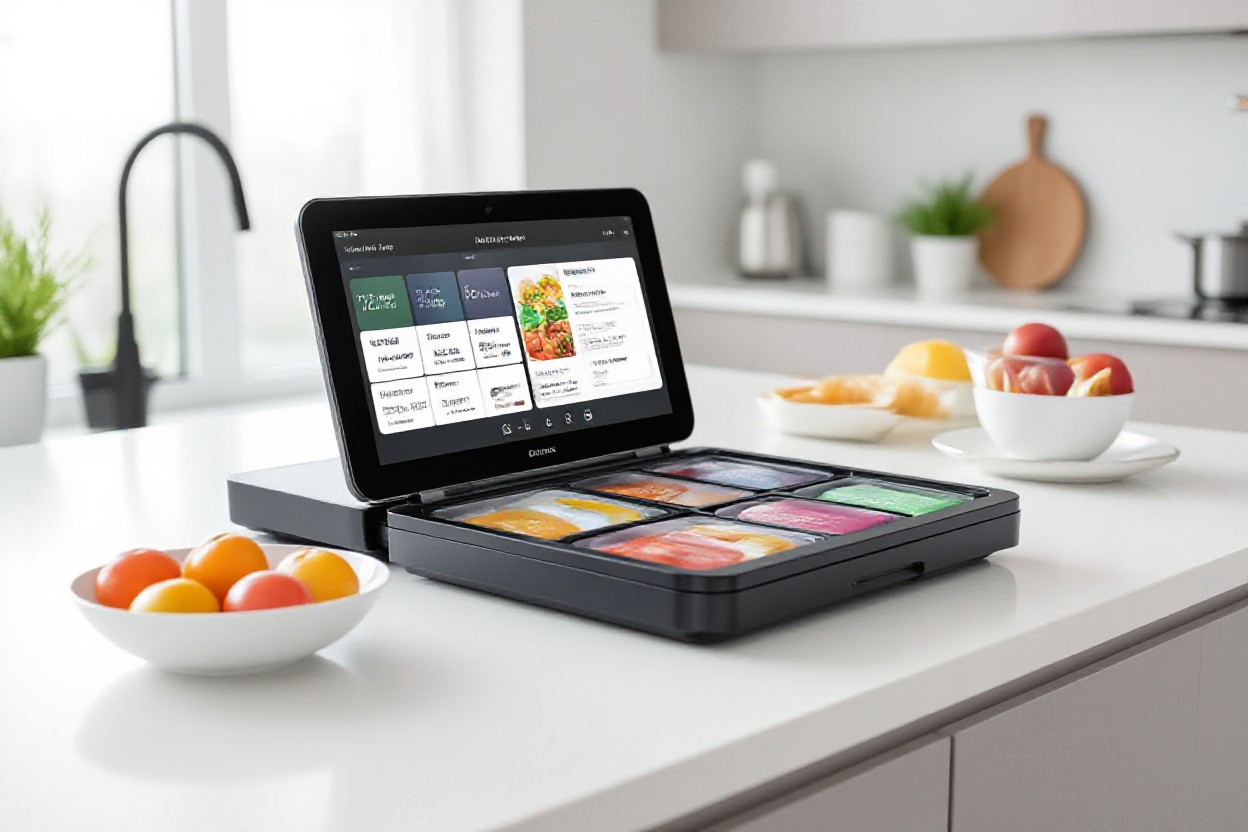
By 2026, you might have an AI that automatically builds your meals from a database of over 100,000 ingredient-nutrient combinations, tweaking portions while you sleep. Instead of scrolling through recipes at 7 pm, you could wake up to a full week of meals aligned with your glucose patterns, training load, and even your food budget. You still choose the vibe – comfort food night, quick lunches, high-protein mornings – but the algorithm quietly does the maths you’d never do by hand.
Trends That Might Shape Your Plate
Right now, over 40% of new nutrition apps already use some kind of AI-driven recommendation engine, and that’s just the warm up. You’re likely to get meal plans that sync with continuous glucose monitors, sleep trackers, and grocery APIs so your shopping list updates the moment you swap a meal. So you might see stuff like auto-adjusted portions after a bad night’s sleep, protein bumped on heavy training days, and recipes that change in real time when your local store runs out of avocados.
Why I Think It’s Worth a Shot
Studies from 2024 showed people using AI-assisted meal planning stuck to their goals about 30% more consistently than those using static meal plans, and that alone should make you pause. You’re not outsourcing willpower so much as offloading boring, repetitive decision making, which is usually where your diet quietly falls apart. So if an algorithm can remove 20 or 30 small frictions from your week, you basically free up brainpower for things that actually matter to you.
One thing you really feel, once you try this stuff properly, is how much mental noise disappears when you let an AI juggle the numbers – macros, micros, budget, prep time, leftovers, all that. You still set the rules: maybe you cap your weekly spend at 70 dollars, want at least 30 grams of protein at breakfast, avoid tree nuts, and keep emissions under a certain threshold per meal, and the system just keeps iterating until it fits. Over a month, that can mean 150 to 200 micro-adjustments you’d never notice, like nudging your iron intake up after a heavy training block or pulling down sodium after a salty weekend. And because everything’s logged, you can actually see patterns in your own body – what breakfasts keep you full, which dinners wreck your sleep – turning your diet from guesswork into something closer to a controlled experiment you’re running on yourself.
Summing up
With this in mind, you walk into 2026 knowing your diet isn’t some vague guesswork but a testable hypothesis about your own biology, tweaked by AI that keeps learning from you. You still make the choices, you still live with the results, but your meals stop being random stabs in the dark and start behaving like a controlled experiment in feeling better, thinking clearer, aging slower. In other words, you’re not just eating – you’re quietly running your own little lab, three times a day.
FAQ
Q: Is AI meal planning in 2026 just about counting calories and macros?
A: A lot of folks still think AI meal planning is just a fancy calculator for calories, but in 2026 it’s way more like having a nutritionist, sous-chef, and data nerd in your pocket. The newer systems pull in your bloodwork (if you connect it), sleep data, workout logs, food preferences, allergies, and even cultural or religious food rules to shape your weekly plan.
Instead of a bland 1600-calorie template, you get meals that fit your actual life: late work nights, kids’ soccer, travel days, you name it. The AI learns from what you actually cook and eat, what you skip, what you rate low, and keeps tweaking the menus, snacks, and shopping lists so they feel more natural over time, not like a diet you’re forcing yourself to tolerate.
Q: How does AI personalize diets in 2026 beyond just “weight loss” goals?
A: In 2026, the better AI meal planners don’t just ask “lose, gain, or maintain?” and call it a day. They map your goals to specific nutrition strategies: blood sugar stability, gut-friendly fiber targets, anti-inflammatory patterns, muscle preservation during fat loss, mood support, and even cognitive focus windows if you’re doing deep work.
You can set stuff like “no afternoon crashes”, “support hormone balance”, or “training for a half marathon in 10 weeks” and the AI adjusts timing of carbs, protein distribution, and micronutrients. It might push higher protein at breakfast, more complex carbs around your workouts, omega-3 rich dinners a couple nights a week, and then quietly tracks what actually works for your body over a few weeks instead of guessing blindly.
Q: Are AI-based meal plans safe if I’ve got medical conditions or food allergies?
A: Safety in 2026 is way better than the early diet app days where you just ticked a box and hoped for the best, but it still depends on the app and how honest you are with your data. High quality platforms let you flag diagnosed conditions like type 2 diabetes, IBS, PCOS, kidney issues, celiac disease, plus medications that interact with certain foods or supplements.
The AI then applies rule-based filters (for example, limiting potassium or phosphorus if needed, strict gluten exclusion, low-FODMAP phases) on top of your taste preferences. The smart move is to sync it with your clinic portal or share the plan with your dietitian or doctor, so they can lock in certain constraints and override anything risky. When that loop is in place, the personalization becomes both powerful and safer instead of “AI just winging it”.
Q: How exactly does AI know what foods I’ll actually like enough to stick with the plan?
A: Taste prediction used to be kind of a joke, but by 2026 it’s surprisingly decent because it blends your explicit feedback with behavior. So yeah, you can rate recipes, mark “never show me mushrooms again”, and set cuisine preferences, but the system also watches what you keep skipping, what you cook repeatedly, and which dishes you finish faster when you track intake.
Over time it builds a preference profile like “loves crunchy textures, prefers savory breakfasts, low tolerance for bitterness, ok with moderate spice, hates long prep times on weekdays”. Then it tweaks ingredients, swaps herbs and spices, adjusts cooking methods, and shortens or stretches prep time. The wild part is that after a few weeks it often predicts what you’ll say “yep, I’d eat that” to better than you could if I handed you a random cookbook.
Q: Can AI really handle cultural foods and family-style eating, or is it all just Western diet templates?
A: Early tools were super Western-centric, but by 2026 the leading AI meal planners are trained on massive multicultural recipe sets and regional ingredient databases. You can say “I want South Indian vegetarian options that my parents will actually respect” or “keep Mexican flavors but lower my blood sugar spikes” and it works with those flavors instead of replacing everything with salads and chicken breast.
Family-style eating gets handled by setting up “household profiles” with multiple people, so the AI creates shared mains with small variations: regular rice for the kids, lower glycemic version for you, dairy-free option for a partner, all based on the same base dish. It also builds shopping lists that respect local markets, budget levels, and seasonal produce, not just specialty-store ingredients that blow up your grocery bill for one recipe you never make again.
Q: What kind of data do AI meal planning apps use in 2026, and how creepy is the privacy side?
A: Data-wise, the stack is pretty thick now: wearables (heart rate, steps, sleep), glucose monitors if you use them, food logs (manual or from photos), grocery receipts, location patterns, and sometimes lab results. That gives the AI a pretty detailed picture of what you eat, when you move, and how your body responds, which is awesome for personalization and also a bit “whoa, that’s a lot” for privacy.
Good apps in 2026 make it very explicit which data is used for what, offer local-only processing options, anonymization for research features, and granular toggles to opt out of marketing use. The simplest rule of thumb: if an AI planner isn’t crystal clear in human language about storage, sharing, and deletion, don’t connect your health records or wearables to it, stick to basic planning features until you trust it.
Q: How do AI meal planners actually help with the annoying daily stuff like shopping, cooking, and time management?
A: Instead of just giving you a fancy weekly menu PDF, modern AI planners are deeply tied into logistics. They auto-generate shopping lists, sort items by store section, match recipes to what’s already in your pantry, and adjust the plan if you suddenly eat out or skip a meal so you don’t end up wasting half your produce.
On busy days it might say “you’ve got 25 minutes and low energy, use the leftover roasted veggies with canned beans and this 5-minute sauce” instead of expecting you to cook some elaborate new recipe. Some apps even sync with grocery delivery, suggest batch-cooking blocks on weekends, and create “fallback meals” you can make from your usual staples so you’re less likely to bail and hit a drive-thru when you’re tired and cranky.
