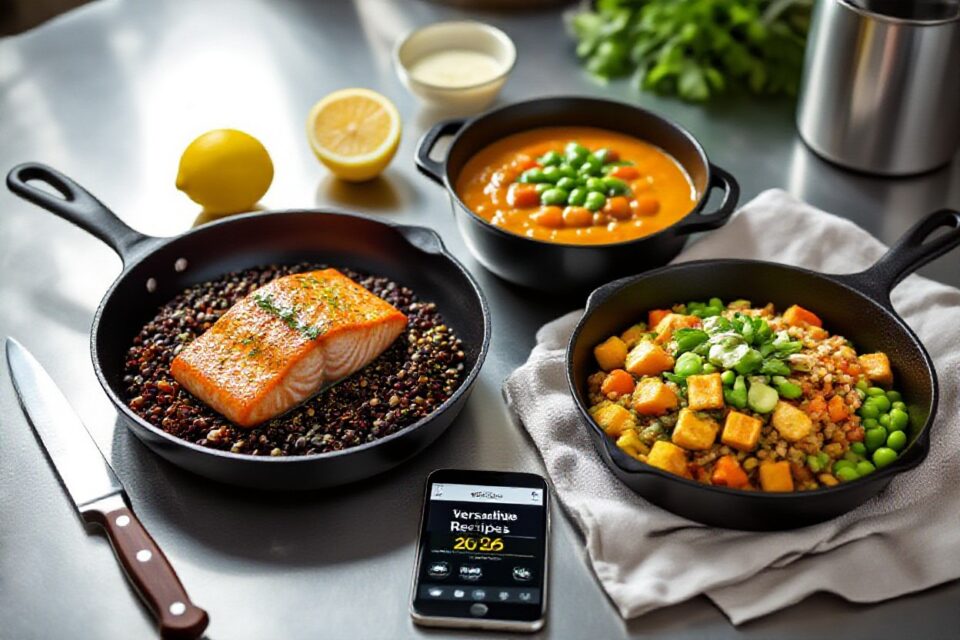
Protein myths are everywhere, and one of the biggest is that you can only hit your goals with meat or pricey powders, but your humble beans are quietly pulling heavyweight status in the background. When you start using beans right, you boost your plate with serious protein, long-lasting energy, and gut-friendly fiber that actually keeps you full instead of just hyped for an hour. You’ll see how to mix beans into quick bowls, hearty stews, and even high-protein snacks so your 2026 meal plan feels flexible, not fussy.
What Kinds of Beans Are Best for High-Protein Diets?
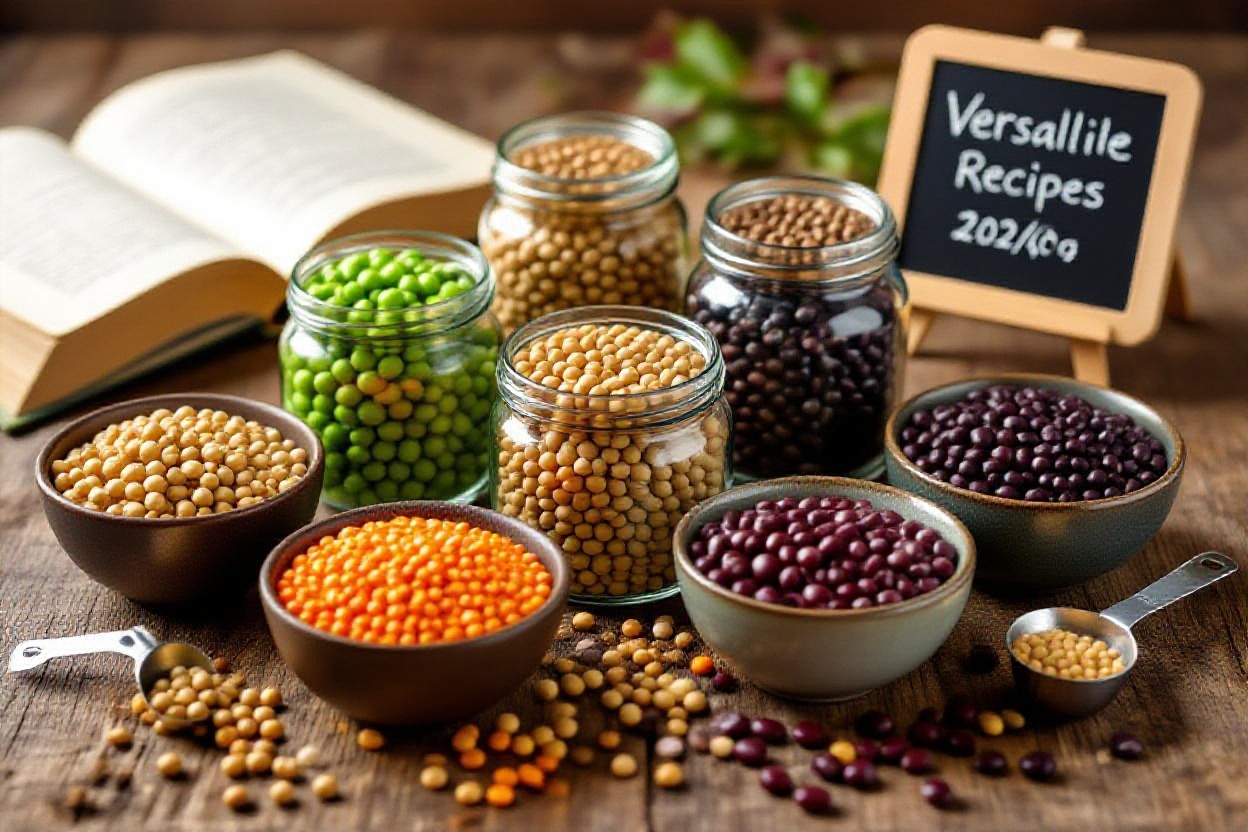
One cooked cup of most beans clocks in around 14 to 18 grams of protein, but some standouts work harder for your macros than others. You get more bang for your buck with beans that pack protein, fiber, and minerals together, so you’re not just chasing numbers on a label. Think about how they fit your meals too – how easily they slide into bowls, wraps, or quick skillet dinners. Your best beans are the ones you’ll actually eat 3 to 5 times a week without getting bored.
The Top Bean Contenders
Per cooked cup, lentils hit around 18 grams of protein, soybeans shoot up to roughly 28 to 30 grams, and black beans, chickpeas, and kidney beans hover in that 14 to 16 gram range. You can treat soybeans and lentils like your heavy lifters, then lean on black beans, chickpeas, and navy beans for everyday meals that still move the needle. Mix firm textures like chickpeas with softer ones like pinto beans and suddenly your bowls, stews, and salads feel more satisfying without you even trying.
Why You Should Go Beyond Just Black Beans
One cup of black beans gives you about 15 grams of protein, but it also comes with a predictable flavor and texture that can get old fast if it’s your only option. You’ll get extra benefits by rotating in lentils, soybeans, chickpeas, and even fava beans, each bringing different amino acid profiles, micronutrients, and fiber types to your plate. Your gut, your muscles, and honestly your taste buds all win when you stop hitting repeat on the same bean every single week.
Because black beans are tasty and easy, you might lean on them as your default, but that habit quietly limits your nutrition and your recipes. When you swap in edamame for taco fillings, split red lentils for quick 15-minute curries, or chickpeas for high-protein pasta salads, you’re not just changing flavor, you’re stacking different fibers and minerals like iron, magnesium, and potassium in your day. Some beans, like soy and lentils, have a slightly higher lysine content, which helps you balance grain-heavy diets that tend to be low in that amino acid. And once you start playing with different textures – creamy cannellini in soups, firm kidney beans in chili, tiny lentils in bolognese-style sauces – you realize black beans are great, but they’re just one tool in a way bigger high-protein toolbox.
Tips for Cooking Beans Like a Pro
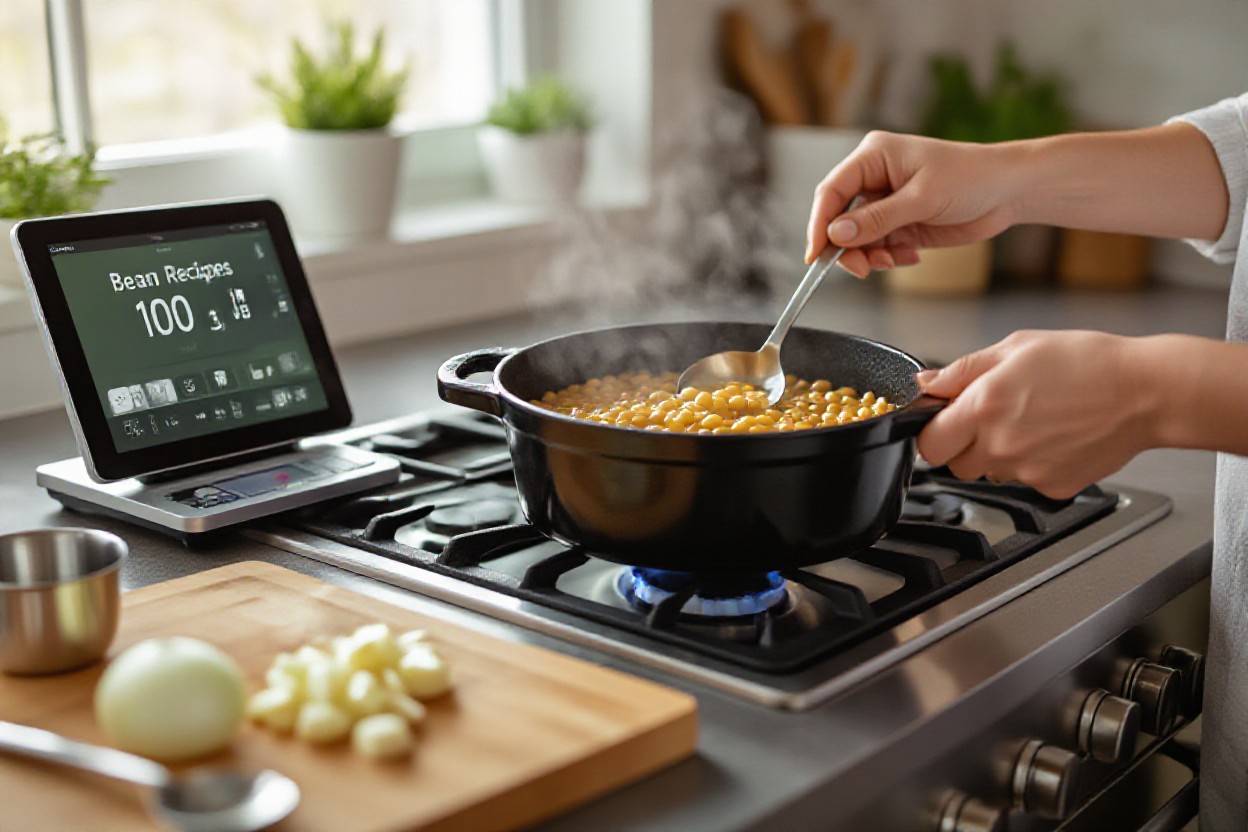
Food TikTok has quietly turned bean prep into a mini science lab, and you can totally steal those tricks at home. Use a 1:3 bean-to-water ratio, toss in a teaspoon of salt mid-cook, and aim for a soft-but-intact texture so your high-protein recipes don’t turn to mush. Any batch you cook in advance becomes grab-and-go protein for your next 3 or 4 meals.
- Use pressure cookers or Instant Pots to cut cooking time by up to 70%.
- Salt and acid (like vinegar) at the right time to control texture.
- Batch-cook for easy meal prep protein all week.
- Store in cooking liquid to keep beans tender and flavorful.
Prep Strategies That Actually Work
New research around 2024 finally backed what home cooks swore by: a quick hot soak cuts cooking time and helps reduce bloating for a lot of people. You just cover dry beans with boiling water, let them sit 1 hour, then simmer till tender and skim the foam as they cook. Any time you add a light salt brine during soaking, you get creamier insides and fewer busted skins.
Spice It Up – Flavor Boosters to Try
Social feeds are full of bean bowls loaded with smoked paprika, roasted garlic and chili crisp, and they’re not just for the aesthetic. You can throw in bay leaves, a small piece of kombu, onion, or even a Parmesan rind while the pot simmers to layer serious flavor into every single gram of protein. Any time you lean on bold spices, you naturally rely less on heavy fats to make beans taste amazing.
So when you want more detail, think in layers: start the pot with olive oil, onion, garlic and a teaspoon of ground cumin, then bloom spices like smoked paprika and coriander for 30 seconds before the beans and water go in, it’s a tiny move that changes everything. You might finish black beans with lime juice and fresh cilantro, but chickpeas love harissa, lemon and a little tahini, and lentils are killer with curry paste and coconut milk. And if you like numbers, even 1 teaspoon of salt plus 1 to 2 tablespoons of acid per pot can be enough to make a basic high-protein bean dish taste like you actually planned it out instead of winging it.
Step-by-Step Recipes You’ve Gotta Try
| Why these recipes work |
You know that weeknight scramble when you’re starving and scrolling recipes at 9 pm? That’s exactly when these step-by-step bean dishes save you – fast prep, heavy on protein, light on fuss. You’ll pull ideas straight from High-Protein Bean Recipes – SheKnows then tweak them to fit your macros, your spice tolerance, your weird schedule. Every move is designed so you get maximum flavor and at least 20 grams of protein per serving without babysitting a pot all night. |
| What you’ll actually cook |
Instead of 15 fussy recipes you’ll never touch, you’re dialing in a couple of high-impact, repeatable meals that slide right into your routine. Think one-pot chili that basically cooks itself while you answer emails, or a bean salad that lives in your fridge for 3 days and still tastes stupid good. The whole point is to make your high-protein plan feel automatic, not like you’ve signed up for a second job in the kitchen. |
Super Simple Bean Chili
That moment you toss everything in one pot, walk away, and come back to a thick, bubbly chili – that’s the kind of kitchen win you want on autopilot. You’ll sauté onion and garlic, dump in 2 cans of beans, crushed tomatoes, smoked paprika, chili powder, plus a good hit of salt, then let it simmer 20-25 minutes. Each bowl can hit 20-25 grams of protein, especially if you top it with Greek yogurt and a little cheese, so your “lazy” dinner quietly does the heavy lifting for your goals.
Seriously Tasty Bean Salad
There’s this moment when you open the fridge, see your giant container of bean salad, and realize lunch is solved in 10 seconds flat. You’re tossing 2-3 types of beans with chopped cucumber, tomatoes, red onion, fresh herbs, lemon juice, olive oil, and a pinch of salt and cumin. Let it chill 30 minutes and the flavors lock in. Each cup clocks around 14-18 grams of protein, and you can pile it over greens, stuff it in a pita, or eat it straight from the bowl.
What really makes this bean salad hit different is how flexible it is, you can swap chickpeas for black beans, throw in feta, or add canned tuna and suddenly you’ve got a 25 gram protein bomb without touching a stove. Use a 1:3 vinegar-to-oil ratio, go heavier on herbs than you think (like a solid 1/2 cup chopped parsley or cilantro), and salt it a bit more than feels safe, because cold salads always taste less salty. The flavor is even better on day two, so future-you gets rewarded for like 12 minutes of chopping today.
The Real Deal About Pairing Beans with Other Foods
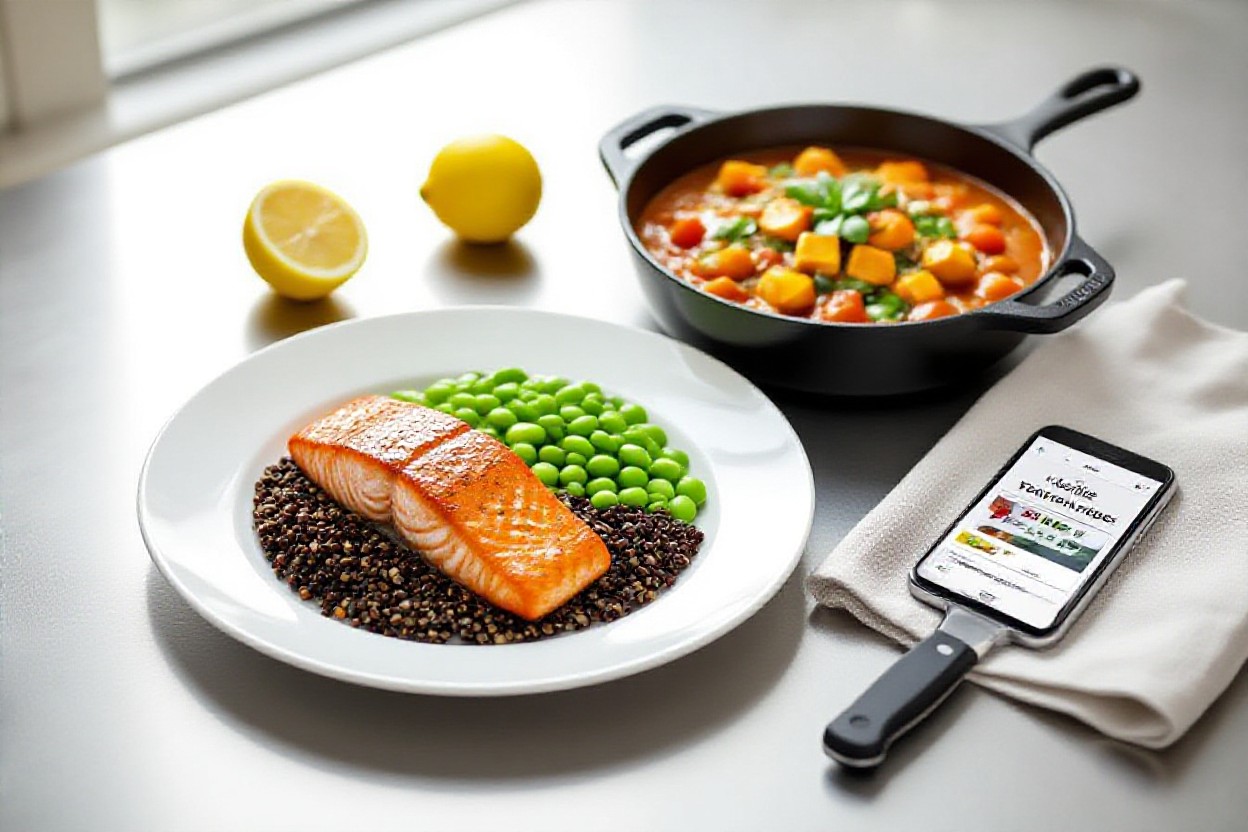
One neat fact nutrition nerds love is that beans plus grains give you a complete amino acid profile, which your body uses more efficiently for muscle repair. When you pair black beans with brown rice, lentils with quinoa, or chickpeas with whole-wheat pita, you bump up total protein and improve absorption of key nutrients like iron and zinc. You also keep blood sugar steadier, so you stay full, focused, and way less snack-hungry two hours later.
What to Eat with Beans for the Best Protein Punch
Per serving, 1 cup of cooked black beans plus 1 cup of quinoa can give you around 24 to 26 grams of protein, which already rivals many meat-based plates. You’ll get the best protein payoff when you pair beans with grains (quinoa, farro, brown rice), soy foods (tofu, tempeh, edamame), or high-protein dairy like Greek yogurt and cottage cheese. So if you’re lifting heavy or training hard, building your meals around these combos really stacks the protein deck in your favor.
Dishes that Just Work: Bean Combos
One of the easiest upgrades is a black bean quinoa bowl where you toss 1 cup black beans, 1 cup quinoa, salsa, avocado, and a bit of shredded cheese for roughly 30 grams of protein without even trying. Chili with kidney beans plus lean turkey or soy crumbles jumps to 25 to 35 grams per bowl, and bean-rich pasta salads made with lentil or chickpea pasta can quietly sneak in 20 grams in a medium serving.
On busy nights you’ll love how certain bean combos basically cook themselves while still hitting high-protein targets. A chickpea Greek-style salad with feta, olives, and whole-wheat pita hits you with protein from three directions at once, and you’re easily around 18 to 22 grams in a single plate if you’re generous with the chickpeas. Taco-style bowls with pinto beans, a scoop of rice, grilled chicken or tofu, and a dollop of Greek yogurt instead of sour cream not only boost protein but also add gut-friendly fiber that keeps cravings in check. Even breakfast can join the party: scramble eggs with black beans, top whole-grain toast, then finish with a little cheese and salsa and you’ve quietly built yourself a legit 25-gram protein meal before 9 a.m.
What Factors Impact the Protein in Beans?
Most people think beans always deliver the same protein hit, but your soaking time, cooking method, and even storage can push those numbers up or down more than you’d expect. When you pressure-cook, salt early, or sprout, you change how well your body uses that plant protein. This lets you tweak your usual pot of beans into a legit high-protein tool for your goals.
- Soaking time influences digestibility and usable protein.
- Cooking method can preserve or reduce amino acids.
- Storage length affects bean hardness and protein access.
- Sprouting may slightly boost available protein.
- Salt and acidity change texture and protein absorption.
Cooking Methods That Matter
Different cooking methods can turn the same cup of beans into a protein superstar or a bit of a nutritional letdown. When you boil in tons of water then drain, you lose some soluble amino acids, while pressure cooking keeps more nutrients locked in and cuts time. This makes your choice of heat level, cook time, and water ratio a surprisingly big deal for daily protein goals.
Bean Types and Their Protein Content
Not all beans pull their weight the same way, even if the labels kinda look identical on the surface. A cooked cup of soybeans can hit 28 grams of protein, while black beans, kidney beans, and chickpeas usually sit in the 14 to 18 gram range, which is still solid for your lunch bowl. The smart move is mixing higher protein beans with fiber-rich favorites so you cover both macros and satiety in one shot.
- Soybeans top the chart with the highest protein per cup.
- Lentils and black beans give a strong protein-to-calorie ratio.
- Chickpeas add protein plus a creamy texture for meals.
- Kidney beans work well in bulk prep and freezing.
- Mixing bean types helps you hit protein and fiber targets.
| Bean Type | Approx. Protein (per cooked cup) |
| Soybeans | ~28 g |
| Lentils | ~18 g |
| Black beans | ~15 g |
| Chickpeas | ~14 g |
| Kidney beans | ~15 g |
What really shifts things for you is how you plug each bean into your real life, not just what the chart says. Soybeans and lentils carry more protein density, so they’re clutch if you want fewer carbs with more muscle-building power, while black beans and kidney beans work better when you need volume and fiber to stay full. The way you combine these in bowls, stews, and snacks is what turns your bean lineup into a consistent high-protein routine.
- Protein density helps you hit targets without overeating calories.
- Lentils cook fast, making high-protein meals easier on busy days.
- Chickpeas slide into snacks, salads, and spreads effortlessly.
- Fiber content supports gut health while you chase protein goals.
- Variety in bean types keeps your diet sustainable and satisfying.
| Factor | Impact On Your Protein Intake |
| Protein density per cup | Higher numbers mean fewer cups needed to hit targets. |
| Cooking time | Shorter times (like lentils) help you stay consistent with prep. |
| Texture and flavor | Better taste keeps you actually eating high-protein meals. |
| Digestibility | Well-cooked beans make protein easier on your gut. |
| Recipe flexibility | Beans that fit multiple dishes show up in your meals more often. |
The Pros and Cons of Including Beans in Your Diet
Compared to animal protein, beans give you this weirdly powerful combo of fiber, plant protein, and minerals, but they can also bring bloating, sodium, or carb overload if you don’t pay attention. You get steady energy, cheaper grocery bills, and a happier gut, yet some people hit issues with FODMAP intolerance, gas, or poorly cooked beans. So you treat them like a tool: adjust soaking, rinsing, and portion size so you get the muscle and satiety benefits without feeling like your stomach’s staging a protest twenty minutes later.
| Pros | Cons |
|---|---|
| High protein per cup (around 14-18 g) supports muscle repair on training days | Can trigger bloating and gas, especially if you jump from zero to two cups overnight |
| Loaded with fiber that stabilizes blood sugar and keeps you full for hours | High fiber can feel rough if your gut isn’t used to it or if you don’t drink enough water |
| Provide iron, magnesium, potassium, and folate that many high-protein diets lack | Some canned options pack 800+ mg sodium per cup if you don’t rinse them |
| Super budget friendly protein for feeding a household on a training-heavy plan | Contain phytates that can slightly reduce mineral absorption if you eat huge amounts |
| Support a healthier gut microbiome with fermentable fibers and resistant starch | People with IBS or FODMAP issues may react to oligosaccharides in many beans |
| Pair easily with grains to form a complete amino acid profile | Require soaking and longer cooking times, which can be annoying on busy nights |
| Fit into vegan, vegetarian, and flexitarian high-protein meal plans | Undercooked red kidney beans can cause GI distress from phytohaemagglutinin |
| Versatile for batch cooking: soups, stews, salads, dips, and even brownies | Poorly seasoned beans can taste bland so you might oversalt or add heavy fats |
| Help improve cholesterol numbers in some studies when eaten several times a week | Some people experience rapid bathroom trips if they overdo portions too fast |
| Great way to lower reliance on expensive meat without sacrificing protein | Allergies are rare but possible, so you still need to notice how your body reacts |
What I Love About Beans
Compared to the usual chicken-and-rice grind, beans feel like a cheat code for high protein and big flavor without blowing your budget or macros. You can throw 1 cup of black beans into a burrito bowl and suddenly you’ve added up to 18 g of protein plus serious fiber, which means you stay full through that 3 p.m. crash. They slide into chili, salads, dips, even breakfast scrambles, so your meals stop feeling like copy-paste diet food and start feeling like something you actually want to eat.
What You Should Watch Out For
Compared to how gentle they look in the bowl, beans can be a bit of a bully to your gut if you go too hard, too fast, especially with fiber and FODMAPs. You might notice gas, bloating, or a very fast trip to the bathroom if you jump from zero beans to multiple cups, or if you skip soaking and rinsing. Paying attention to portion size, prep methods, and how often you eat them matters more than you’d think for a food that seems so simple.
So when you dial beans into a high-protein diet, you really want to treat them like a progression, not an all-or-nothing sprint. Start with 1/4 to 1/2 cup cooked at a time, rinse canned beans for at least 30 seconds to wash off excess sodium and some gas-causing sugars, and if you cook dry beans, soak them 8-12 hours with a salt brine, then toss the soaking water. You’ll find that some types, like lentils and mung beans, are usually gentler than big kidney beans or chickpeas, especially if you deal with IBS or a touchy stomach.
Summing up
Drawing together all the bean chat, you can see how these little powerhouses slide right into your high-protein routine without making life complicated. You get protein, fiber, and a ton of recipe wiggle room, so your 2026 meal plan actually feels fresh instead of boring leftovers on repeat. When you batch-cook, mix different bean types, and play with spices, you basically turn your kitchen into a low-key test lab for better gains and better energy. So go ahead, let your next high-protein recipe start with your bean stash and build out from there.
