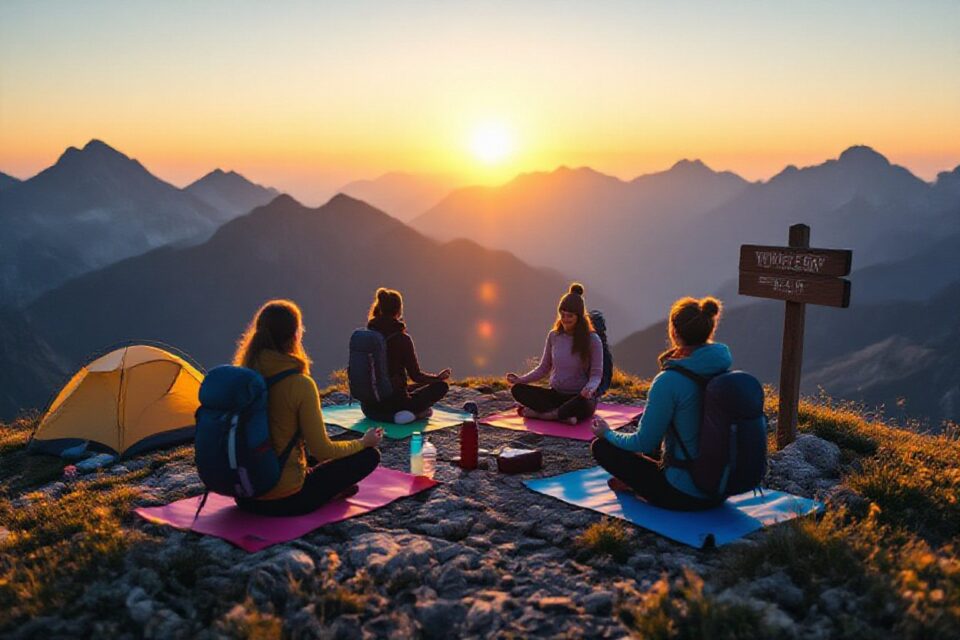
Just 20 minutes of movement outside can flip your mood, but when you mix hiking with yoga, you’re not just working out, you’re rewiring your whole vibe. You’re out there chasing sunrise views, lungs full of crisp air, then dropping into deep stretches that make your body go, “ohhh yes.” It’s not some fluffy spa day – it’s real work, real sweat, real clarity.
You leave your phone in your bag, your stress on the trail, and you start hearing your own thoughts again, the good ones. And the wild part is, these retreats help you build mental grit and physical resilience while you’re literally surrounded by ridiculous views that make you feel small in the best way possible.
Key Takeaways:
- Hiking-and-yoga mashup retreats are exploding right now, especially in mountain towns and coastal spots where people want more than just a gym workout and more than just a spa day – they want that real-world, dirt-on-your-boots kind of reset.
- These retreats blend steady movement on the trail with slower, grounding yoga sessions, so your body gets both the sweat and the stretch, which is a pretty sweet combo if you sit at a desk all day or live on your phone.
- Time outside is the real secret sauce here, because doing yoga after a long hike while you’re breathing fresh air and hearing actual birds instead of notifications hits very differently from a crowded studio class.
- Most hiking and yoga retreats sneak in mindfulness without making it weird or stiff – you get walking meditations, quiet views, simple breathing practices, and before you know it your brain finally stops spinning for a minute.
- Community is a huge piece of the puzzle, since you end up hiking, laughing, stretching, and probably sharing snacks with people who also needed a reset, and that shared vibe can feel way more supportive than going it alone.
- Retreats range from super gentle, intro-friendly weekends to hardcore multi-day treks with serious elevation, so you can find something that matches your fitness level instead of feeling like you have to be an athlete or a yogi first.
- What really sticks with people afterward isn’t just the pretty views, it’s the tiny habits they take home – like morning stretches, short walks, or breathing breaks – that make everyday life feel a bit more spacious and less on-edge.
Why Go Hiking and Yoga?
You don’t go on a hiking and yoga retreat just to “relax” – you go to shock your system in the best way possible. When your legs are burning on a climb and then you drop into a deep stretch, your brain suddenly gets quiet and your nervous system actually chills out. You’re not escaping life, you’re training for it, using real mountains and real breath work as your gym. That mix of sweat, silence, and scenery turns into serious long-term energy and resilience.
Beauty of nature
Wild thing is, the more time you spend outside, the more your phone feels like a tiny prison. When you’re on a ridge, breathing hard, and the sun hits the valley just right, your stress suddenly looks ridiculously small. Trails, trees, wind in your face – they pull you out of your head and slam you into the present in the best way possible. And that visual reset you get from wide open views can feel like a hard reboot for your mental health.
Mindful connection
The weird part is, you usually find yourself out there right when you thought you were too busy to slow down. Then you hit a trail, sync your steps with your breath, drop into yoga after, and your mind finally stops screaming at you. You start actually feeling your body again instead of living in constant notification mode, and that simple shift can be a game changer for how you handle stress, conflict, all of it.
When you hike and then roll straight into yoga, you’re not just stretching, you’re literally rewiring how you talk to yourself. Your thoughts get louder in the quiet, sure, but then your breath practice gives you a volume knob, so you stop letting every little worry run the show. You notice how your shoulders tense when you think about work, how your jaw locks when you replay a conversation, and you learn to release that stuff on purpose, not by accident.
That’s where the real flex is: you start catching your reactions in real time. On a steep climb, when your legs shake and your brain says quit, you practice staying, breathing, softening instead of panicking. Then that same skill shows up in traffic, in arguments, in late-night anxiety. And the coolest part, you feel more connected not just to nature, but to your own values, your own pace, your own non-negotiables, like you finally got your internal wifi signal back.
My Top Picks for Retreats
Some trips just scratch an itch, but these hiking-yoga retreats hit your whole nervous system in the best way. You get serious trail time, legit instructors, and actual integration of breathwork with movement, not just photo-op yoga. You push your body on climbs, then reset your mind on the mat, so your stress, your overthinking, your burnout actually start to melt. And the best part: you walk away with real habits you can take home, not just a folder of pretty pictures.
Stunning mountain locations
City noise has nothing on the way a mountain sunrise punches you in the chest in the best possible way. You’re hiking ridgelines, lungs burning a bit, then dropping into slow, grounding yoga sessions with views that make your jaw drop. The altitude pushes you, the silence resets you, and suddenly your usual excuses feel tiny. You feel
Coastal vibes and sunsets
If mountain air wakes you up, coastal retreats kind of tuck you in while still leveling you up. You’re flowing through yoga while listening to waves, then hitting coastal trails where uneven rocks, slick sand, and random drops can get sketchy if you’re not locked in. The payoff though is wild – sunset savasana, ocean breeze on your skin, and that deep full-body exhale you haven’t felt in years. It’s like your nervous system finally gets permission to chill.
With coastal vibes and sunsets, your whole schedule starts to sync with the tide instead of your inbox, which feels weird at first, then addictive. Mornings might start with a salty, cool-air hike, watching your footing on loose cliffs and wet paths that demand your full attention, then you drop into hip-opening flows while the sun crawls up the sky. Late afternoon, you’re stretching on the sand, listening to waves, watching the sky catch fire, and in that moment you get it – your body feels lighter, your mind quieter, and you’re actually present in your own life again.
What’s on the Agenda?
You’re not signing up for a fluffy spa weekend, you’re stepping into a full-body reset that hits your muscles, mindset, and motivation all at once. Your days get packed with guided hikes, soul-fueling yoga sessions, mindful breathing, legit rest time, and simple, real food that actually supports your energy. It’s movement, recovery, and reflection working together so you walk away feeling like you upgraded your operating system, not just took a break from email.
Daily hikes
Your daily hikes become your moving meditation, where your legs burn, your lungs open, and your brain finally shuts up for a minute. You’ll hit varied terrain that challenges your balance and stamina, so you feel that raw aliveness instead of sitting behind a screen all day. Some paths might be steep, rocky, and a bit risky if you zone out, but that’s the point – you lock in, stay present, and build real confidence with every step.
Yoga sessions
Your yoga sessions aren’t about twisting into Instagram pretzels, they’re about resetting your nervous system after big, beautiful effort on the trail. You’ll mix slow, deep stretches with stronger flows that wake up the muscles you forgot you had, and yeah, you’re probably going to shake a bit. Practicing outdoors means you deal with uneven ground and shifting balance, so you actually learn to adapt instead of chasing perfection on a studio floor.
When you dive deeper into these yoga sessions, you start noticing how your breath becomes your secret weapon, especially when your legs are smoked from the hike and your mind wants to bail. You’ll use simple, repeatable breathing patterns to calm that inner chaos so you can hold poses longer and walk into the next day feeling clear, not wrecked. Some flows will push your limits and if you ignore your body or try to show off, you can tweak a joint or pull a muscle, which is exactly why you’re guided to dial in your own pace, not someone else’s ego. Over a few days, you realize each session is like hitting “reset” on your stress levels – your shoulders drop, your jaw unclenches, and this quiet confidence shows up that you can carry home into every crazy part of your life.
Meet Awesome People
You care about hiking and yoga because you want your energy right, but the real magic is the people you do it with. On these retreats you’re surrounded by folks who get your vibe, so conversations go deep fast, not small talk at the snack table. You swap stories, share trail wins, laugh at the fails, and suddenly you’re not just traveling… you’re building a real support squad that keeps pushing you long after you go home.
Like-minded adventurers
You know that feeling when you finally meet people who just get why you wake up early to sweat on a mountain and stretch on a mat? That’s what you walk into here: like-minded adventurers who care about growth, health, and actually living, not just scrolling. You vibe over sunrises, tough climbs, and that post-yoga calm that hits different in fresh air, and those shared moments turn into friendships that actually stick.
Group bonding activities
You don’t fly out to a hiking and yoga retreat just to hide in your room, you want real connection baked in. That’s where group bonding activities hit hard: campfire talks, partner stretches, team hikes, maybe even cold plunges that feel a bit intense but insanely rewarding. You push through awkwardness, share wins, and by day two you’re cheering for people you met 24 hours ago like they’re family.
When you dive deeper into these group bonding activities, you start to notice how fast walls drop. You’re hiking steep sections together, spotting each other on rocky paths where a wrong step could be dangerous, syncing breath in challenging flows, and that shared effort glues the group fast. Around the fire you tell stories you usually hide, in partner yoga you trust someone with your balance, and in group reflections you say the stuff that’s been sitting in your chest for years.
All of that connection does something wild to your mindset – suddenly you’re not just working on your body, you’re healing your confidence and your ability to let people in. And when you head home with messages blowing up your phone, inside jokes, and a crew that actually checks if you’re still hitting your goals, you realize those activities weren’t just fun extras.
They were the engine behind your whole retreat transformation.
Food That Fuels You
You know that feeling when you hit mile five on a hike and your legs suddenly wake up instead of quitting on you? That’s not magic, that’s food doing its job. When you treat your retreat meals like high-octane fuel instead of random snacks, your body shows up for every climb, every pose, every weird rocky step. You’re either feeding your energy or draining it, and on the trail there’s nowhere to hide from that choice.
Healthy meals
One morning on retreat, you crush a sunrise flow, grab some sugary junk, and by 11 a.m. you’re toast – meanwhile the person who ate real food is still flying on the ridge. That gap is lifestyle, not luck. You want plates loaded with color, protein, healthy fats, slow-burn carbs that carry you up the last brutal switchback. When your meals are actually designed for performance, your body stops whining and starts winning.
Local ingredients
Picture this: you finish a sweaty hike, walk into a tiny mountain lodge, and they drop a bowl of soup in front of you made from veggies grown literally down the road. It hits different. Fresh, local ingredients carry a kind of energy your body instantly recognizes – you feel lighter, clearer, more dialed in for your next yoga session.
On a real retreat, you notice it fast: the tomatoes taste like actual sunshine, the berries are stupidly sweet, and your usual afternoon crash just… doesn’t show up. That’s the compound effect of local stuff that hasn’t sat in a truck for a week losing flavor and nutrients. You get more vitamins, more minerals, more life in every bite, so your joints feel less beat up and your focus during long holds in warrior II actually sticks.
And there’s something deeper that kicks in when you’re eating from the same land you’re hiking on, your nervous system chills out because it feels connected instead of rushed. You’re supporting local farmers, cutting useless transport, keeping things more sustainable, which is a pretty powerful win for both your body and the planet. If you really want your retreat to hit that next level, you don’t just chase epic views, you chase what’s grown right under your feet and let that fuel your whole experience.
The Best Gear to Bring
Dialing in your gear is how you stop suffering and start actually loving your hiking-yoga retreat. You want stuff that’s light, tough, and super practical, so your energy goes into the trail and the mat, not fixing problems. Think layers, a small daypack, plenty of water capacity, and sun protection that actually works. When your setup is simple and dialed, you move freer, breathe deeper, and your whole day feels like it’s working for you, not against you.
Comfortable shoes
Your shoes basically decide whether this trip feels epic or like torture, so you can’t cheap out on comfort. Go for supportive hiking shoes or trail runners that fit like a glove, no weird hotspots, no heel slip. You want solid traction for rocky paths, decent cushioning, and breathable material so your feet don’t cook. Blisters on day one can wreck your vibe fast, so test them before you go and bring good socks to back them up.
Yoga mat necessarys
Your yoga mat is your tiny portable studio, so it has to work just as hard as you do. You want something grippy, lightweight, and easy to clean, not a slippery mess that folds like a taco on uneven ground. A travel mat or foldable mat is clutch, especially when you’re stuffing it into a pack. And if you’re practicing on rocks or rough decks, that extra bit of cushioning can save your joints in a big way.
When you dial in your yoga mat setup, every session outside hits different – you’re not fussing with gear, you’re just locked in on breath and movement. Go for a mat with serious grip even when you’re sweaty, because sliding out of Warrior II near a cliff edge is not the kind of thrill you want. Thickness matters too: thin travel mats are easy to carry but can feel a bit brutal on gravel, so pairing one with a lightweight towel can give you cushion without bulk.
Texture is huge: a slightly textured surface keeps you stable in balancing poses when the ground is a bit uneven. And you want something you can wash or wipe down easily after dirt, sunscreen, and dust cake onto it. If you’re hiking far, a mat that folds into your pack instead of hanging off the outside is gold, less snagging, less flapping, just cleaner. Add a simple strap or carry sling and you’re moving like somebody who’s done this before.
Tips for Beginners
Studies say over 60% of new hikers quit in the first month, mostly because they push too hard, pack wrong, or skip basic prep that would have made the whole thing feel amazing instead of miserable. You want your first hiking and yoga retreat to feel like a reboot, not a beatdown, so dial in your footwear, drink water like it’s your job, and use tools like Native Wellness + Co. to support your recovery and calm. After you nail the basics, the mountains and your mat start feeling like your second home.
- Choose comfortable hiking shoes and break them in
- Practice beginner yoga flows before your retreat
- Carry enough water and electrolytes for the full day
- Listen to your body and take regular stretch breaks
- Use simple breathwork when the trail gets tough
Take it slow
Over 70% of hiking injuries for newbies come from going too far, too fast, which is wild because you actually get more long-term progress when you chill your pace and protect your joints and nervous system. You don’t need to crush miles on day one – you need to build a sustainable rhythm where your breath, your steps, and your yoga practice feel synced up.
Don’t overpack
Studies show every extra 5 pounds in your backpack can jack up your fatigue and knee strain by over 10%, so when you load up like you’re moving houses, you’re just making the hike way harder than it needs to be. You want a lean kit with crucials only so your shoulders, back, and knees don’t get wrecked before you even hit your first yoga session. After you strip out all the “just in case” junk, you move easier, breathe better, and actually enjoy the views instead of cursing your bag the whole time.
When you dial in the whole “don’t overpack” thing, you suddenly realize how much random junk you usually drag around that adds zero value and a ton of pain, and that heavy pack can turn a beautiful ridge walk into a slog that crushes your knees, rubs your shoulders raw, and leaves you wiped out before savasana even starts. You need the non-negotiables like water, snacks, insulation, basic first aid, and maybe a small recovery tool or two, but you don’t need five outfits, three books, and half your bathroom cabinet. And if your pack feels heavy in the first 10 minutes, that’s a red flag – adjust straps, ditch weight, do what you gotta do so your body isn’t screaming halfway up the climb.
A lighter pack makes the whole retreat feel way more positive, because you’re not in survival mode, you’re in exploration mode.
The Magic of Sunrise Sessions
There’s this wild shift that happens when you roll out your mat as the sky starts to light up and the trail’s still quiet. You’re not just doing yoga, you’re syncing your breath with the whole landscape, feeling that first hit of cold air wake every cell up. As the sun climbs, your body warms, your mind unclutters, and suddenly the stuff that felt heavy yesterday feels lighter. That’s where growth actually sneaks in – in those raw, early minutes when it’s just you, your breath, and the mountains waking up with you.
Early morning bliss
Early morning bliss on a retreat hits different when you’ve hiked in half-asleep and the world’s still quiet. You land in that first pose and your body complains, then quickly realizes, oh, this actually feels good. Your nervous system chills out before the day can attack you, and that calm sticks. The best part is you feel like you’re already winning while everyone else is still scrolling in bed, chasing the peace you’ve already built on the trail.
Peaceful moments
Peaceful moments in a sunrise session aren’t some fluffy Instagram vibe, they’re those tiny gaps where your brain finally stops yelling at you. You’re holding a pose, birds kick off their morning soundtrack, and you notice your shoulders dropping, your jaw unclenching, your breath getting deep and steady. That quiet is insanely powerful for your mental health, because it trains you to find stillness even when life’s loud. And once you’ve tasted that kind of calm on the mountain, you start craving it in your everyday chaos too.
When you lean into these peaceful moments, you start realizing they’re not just “nice to have”, they’re the reset button you’ve been needing for years. The hike clears the noise, the yoga peels off that last layer of stress, and then you get this pocket of pure stillness where you actually hear your own thoughts without panic or pressure. Sometimes emotions come up out of nowhere, which can feel intense, but that release is healthy, not scary. You’re training your mind to hang out in calm longer, so when real-life stress hits, your body already knows how to breathe through it instead of spiraling.
The Real Deal About Mindfulness
Everyone’s suddenly talking about mindfulness in hiking and yoga retreats, but you’re not here for fluffy quotes, you want something that actually hits real life. Mindfulness is just you paying raw attention to your body, your breath, the dirt under your boots, instead of getting yanked around by your phone and stress. When you dial into that, your nervous system chills out, your energy resets, and your decisions get sharper. You’re not escaping the world – you’re training your mind so you can hit life harder when you get back.
Being present
During these retreats, being present is like flipping your brain from chaos mode to high-definition mode. You feel the trail, hear the crunch, notice your heartbeat syncing with your pace, and your thoughts stop running you into the ground. You catch yourself drifting into old worries, then boom – you pull your focus back to the mountain in front of you. That simple habit becomes your secret weapon when regular life starts throwing punches again.
Breathing techniques
Out on the trail or on the mat, your breath is the remote control for your mindset. When you use simple techniques like slow nasal breathing or box breathing, your stress drops, your focus sharpens, and your body stops freaking out over every little thing. You stop reacting and start responding, which is a big difference. And you can pull that skill out any time – in traffic, at work, in an argument.
Here’s where it gets real with breathing techniques: you’re not just doing cute yoga inhales, you’re actively hacking your system. Long exhales signal safety to your brain, so your heart rate goes down, cortisol drops, and your muscles unlock tension you didn’t even know you were carrying. But if you push too hard, breathe too fast, or force deep breaths when you’re dizzy, you can get lightheaded and that’s straight-up risky on a narrow trail or steep climb. So you start simple: inhale through your nose for 4, exhale for 6, keep it smooth, keep it kind. Over time, those tiny breathing tweaks stack up and suddenly you’re the calmest person in the room while everyone else is spiraling.
Embracing the Outdoors
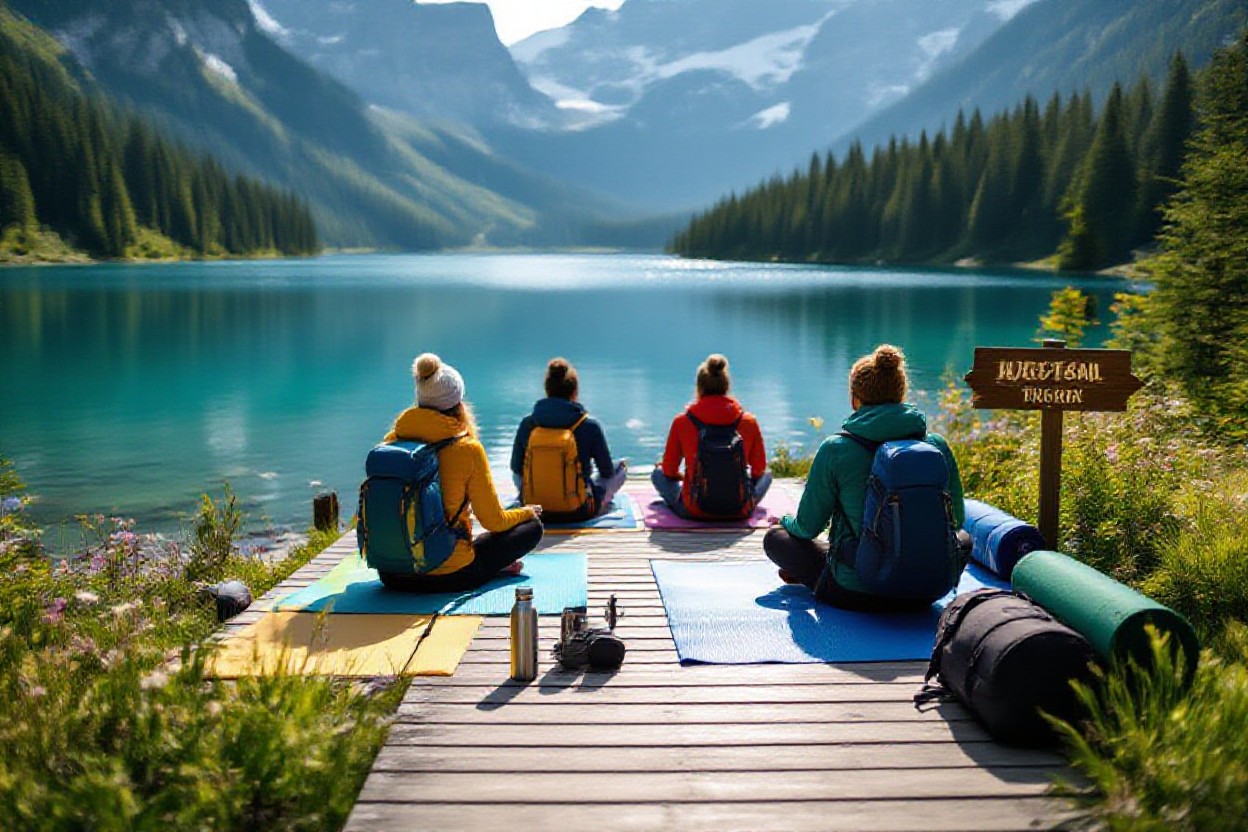
Ever notice how your whole mood shifts the second your boots hit dirt and your phone loses signal? When you lean into nature like that, you give your mind and body a full-on reset, not some quick hack. You trade fluorescent lights for sunrise glow, mountain air, and real silence, and that combo hits different. Out here, your yoga mat becomes a rock, a patch of grass, a dock by the lake – and your breath finally syncs with the world around you.
Nature walks
What if your next big mindset shift came from a simple walk on a trail instead of another podcast or self-help book? When you slow down enough to hear crunching leaves, distant birds, your own footsteps, you start tuning into what actually matters. Those easy trails turn into moving meditations, where your thoughts unclutter and your stress finally drops. You walk in with noise, you walk out with a weird, grounded calm you didn’t know you needed.
Fresh air benefits
Ever catch yourself taking a deep breath outside and thinking, “Wow, I actually feel different”? That’s not in your head – fresh air can boost your energy, clear your focus, and drop your stress fast, way faster than another coffee. When you’re hiking then flowing through yoga in that clean air, your lungs open up, your body recovers quicker, and your brain stops feeling like a browser with 47 tabs open.
Because here’s what most people sleep on: stale indoor air can mess with your sleep, your mood, even your immune system, and you barely notice till you’re wiped out. You step into fresh mountain or forest air and your nervous system gets the memo that it’s finally safe to chill a little. Your breathing deepens, your heart rate eases, your head feels lighter, and suddenly those tight shoulders start to release. Do that consistently on retreat – long hikes, slow yoga, real rest – and you build this natural high-performance loop where your body actually wants to move, recover, then push again.
The Joy of Disconnecting
Research shows you tap your phone over 2,600 times a day, so when you finally step onto a trail with zero bars, your brain actually breathes. Out here, you trade push notifications for birds, wind, and your own footsteps, and that swap is life-changing. You stop doom-scrolling and start actually feeling your body, your breath, your surroundings. That mental white noise slowly fades, and in its place you get something way more powerful – real presence, real clarity.
No phones allowed
Studies say even a silent phone on the table can cut your focus, which is why a strict no-phones rule on retreat hits so hard. You let yourself be fully in the hike, the yoga flow, the campfire talk, instead of chasing the next ping. At first you might twitch for your screen, but then you notice the sky, your heartbeat, your own thoughts. That detox is not just relaxing, it’s wildly productive for your mind.
Finding inner peace
Research from outdoor therapy programs shows time in nature can slash stress levels in under 20 minutes, and when you mix that with yoga, you get a serious reset for your nervous system. You start breathing deeper, thinking cleaner, and your body finally drops some of that tension you pretend isn’t there. Little by little, noise falls away and you hear something else entirely – your own voice getting louder and clearer.
On the trail, when your legs burn and your lungs work overtime, you start seeing it: that inner peace isn’t fluffy, it’s earned. You breathe into tight hips in a yoga pose, you stay with the discomfort instead of bailing, and suddenly you realize you can handle way more than you tell yourself. That moment when your mind stops screaming and your breath takes over, that’s your real baseline. You learn that calm isn’t an accident, it’s a skill you’re actively building out here, and you get to carry that back into your messy, busy, beautiful everyday life.
What to Expect From Instructors
You know that feeling when a coach just gets you in two minutes flat? That’s what great retreat instructors do – they read your energy fast, then match it with the right mix of challenge and chill. You can expect people who actually hike, actually practice daily, and actually care if you’re safe on a cliff edge or in Warrior II. They’re there to push you a bit, protect you a lot, and keep your overall experience grounded, fun, and totally non-judgy.
Experienced guides
One minute you’re staring at a rocky trail like it’s Everest, next minute your guide casually shows you where to place your foot so you feel solid and safe. That’s what experienced instructors bring – they’ve seen people freeze up, trip, freak out, and they know exactly how to keep dangerous situations from becoming disasters. You get real trail knowledge, smart pacing, legit warm-ups, and constant check-ins about your limits, so your body stays strong and your ego doesn’t get you hurt.
Positive vibes
You might roll into the retreat stressed, tired, maybe a little skeptical, then your instructor cracks one weird joke in mountain pose and suddenly the whole group loosens up. That vibe is real – they’re not just cueing poses, they’re managing the energy of the circle so nobody feels awkward, behind, or judged. You’ll feel this mix of calm and hype that makes you want to try the harder pose or that extra mile, because the atmosphere feels safe, supportive, and fun, not like some intense bootcamp.
On that first afternoon when everyone’s low-key sizing each other up, a strong positive-vibes instructor cuts through the weirdness fast with stories, self-deprecating humor, and those small comments like “go at your pace, this is your body” that instantly lower the pressure. You’ll notice they watch faces, not just form – they see when you’re pushing too hard to impress or when your confidence dips, and they throw out those short, punchy cues that keep you mentally in the game. And when someone has a tough moment on the trail or in a deep stretch, they don’t ignore it, they hold space, keep the group kind, and stop any of that silent comparison that can be mentally brutal.
Healing Through Nature
Nature hits you like a reset button you didn’t know you needed, because when you step onto a trail with your yoga mat strapped on, you’re not just working out, you’re peeling off layers of noise. You start to feel how the trees, the wind, the silence all sync up with your breath, and suddenly your busy brain gets quieter. Out there, you finally realize that your body isn’t the enemy – it’s your strongest tool for healing.
Stress relief
Stress doesn’t stand a chance when you hike hard, breathe deep, then drop into yoga under open sky, because your nervous system finally gets the memo that it’s safe to chill. You trade buzzing notifications for birds, sunlight, real oxygen, and your body responds fast. That moment your shoulders drop and your jaw unclenches, that’s your system saying “we’re done with overload”, at least for a while.
Emotional balance
Your emotions start acting less like a roller coaster and more like a steady tide when you mix hiking and yoga in real, raw nature. You move your body up the mountain, then hit the mat and start actually feeling your feelings instead of stuffing them down. Out there, it’s way harder to lie to yourself – and that’s where real emotional stability starts creeping in.
Emotional balance in the wild hits different because you can’t outrun your thoughts on a narrow trail, you have to walk with them. You feel your anger in your legs, your anxiety in your chest, your sadness in your breath, and as you move and stretch, that stuff starts to loosen its grip. Then yoga kicks in, grounding you, helping you name what you’re feeling without getting swallowed by it, and that skill follows you home into your messy real life.
Some Local Culture
Most people think hiking and yoga retreats are just about mountains and mats, but when you plug into local culture your whole experience levels up fast. You start tasting real food from tiny family spots, hearing stories that never make it to travel brochures and suddenly your sunrise practice lands deeper because you get where you actually are. You feel the land, the people, the history – and that connection hits different. You’re not just passing through, you’re participating.
Indigenous practices
People often treat indigenous practices like some kind of Instagram prop, but if you slow down and show real respect, you get access to wisdom that’s been battle-tested for generations. You might join a sunrise blessing, share tea around a fire, or learn how local communities use plants for healing and protection on the trails. Ask questions, listen more than you talk, offer support instead of selfies and you’ll feel your yoga sessions sync up with something way older than modern wellness trends.
Fun local excursions
A lot of travelers think fun local excursions are just side quests, but if you do them right they become the highlight of your retreat. You might jump into hidden waterfalls after a sweaty hike, hit a tiny street market for fresh fruit, or join a wild little village festival where music, dancing and late-night laughter are the real medicine. Some activities can be physically intense or risky though – cliff paths, cold rivers, sketchy weather – so you’ve gotta listen to guides, gear up properly and know your limits while still playing full out.
When you dig deeper into fun local excursions, you start stacking stories you’ll talk about for years, not just photos you’ll forget in your camera roll. You could paddleboard at sunrise while the mountains light up, bike through rural backroads, or take a laid-back cooking class where you hack your own post-hike fuel with local ingredients and zero fake nonsense. Some trips will push your edge with steep trails, fast currents, or unexpected wildlife, but that contrast – a little fear, a lot of awe – makes your yoga and meditation feel way more alive. And those tiny in-between moments, chatting with locals, laughing with your group, getting lost then found… that’s where the real retreat magic hits.
How to Choose the Right Retreat
You’re scrolling through endless retreat photos, all mountain views and sunrise yoga, and it feels exciting but a bit insane, right? To pick the rightnon-negotiables so you actually enjoy every sweaty, soul-filling minute.
Narrowing down options
You type “hiking yoga retreat” and suddenly you’ve got 40 tabs open, so it’s time to filter like a boss. Start by cutting anything that doesn’t fit your budget, your time off, or your basic comfort needs. Then check what’s included: guided hikes, level of difficulty, meals, transport, and actual safety protocols, because vague descriptions can hide risky situations. When you trim hard, the right 2 or 3 retreats start to pop off the page.
Personal preferences
Your retreat has to feel like your playlist – it needs your personal flavor or you’ll feel off the whole time. Choose terrain that excites you, a yoga style your body actually vibes with, and a social setup that matches how you recharge, because forcing yourself into the wrong scene can be draining. If you crave quiet, a party-heavy group will make you miserable, but if you love community vibes, a small, intentional group can feel life-giving and wildly energizing.
When you dial in personal preferences, you stop chasing the “prettiest” retreat and start chasing the one that actually feels like yours. Ask yourself: do you want rugged mountain trails or soft forest paths, slow yin or fiery vinyasa, deep solitude or constant group energy? Your answers matter more than fancy photos, because ignoring them can turn a dream trip into a mentally exhausting slog. You deserve a retreat where the schedule, people, and pace feel aligned with your real life, not your Instagram persona.
Budgeting for Your Adventure
Money stress can crush your vibe faster than a twisted ankle, so you want your hiking and yoga retreat to fit your real life, not just your Instagram feed. Dial in what you can spend on travel, food, gear, and extras, then reverse-engineer the trip from there. You’re not just chasing the cheapest option – you’re investing in how you want to feel out there on the trail and on the mat.
Pricing overview
Prices are all over the place, so you’ve got to compare retreats like a smart shopper, not a tourist. Factor in what’s included: classes, guided hikes, food quality, gear, and transport to the site. A “cheap” retreat that skips meals, charges extra for basics, or cuts corners on safety can end up costing you more in cash and stress.
Value of experiences
When you weigh the cost, you’re not just paying for a bed and a yoga mat, you’re paying for clarity, confidence, and energy you take back home. That sunrise hike where you finally silence your inner critic, the yoga session that unlocks a tight hip and a stuck emotion, the real conversations around a campfire – those are the moments that make the price tag feel tiny.
Value on a retreat hits different when you stop thinking in pure dollars and start thinking in long-term upgrades to your life. You might drop a few hundred on random dinners, drinks, and stuff you forget in a week, but one powerful retreat can shift your habits, your mindset, and how you handle stress for years. And that inner reset shows up everywhere – in how you work, how you show up for your people, how you treat your body.
The real flex is spending your money on experiences that keep paying you back in energy, resilience, and perspective long after your hiking boots are back in the closet.
Packing Light Tips
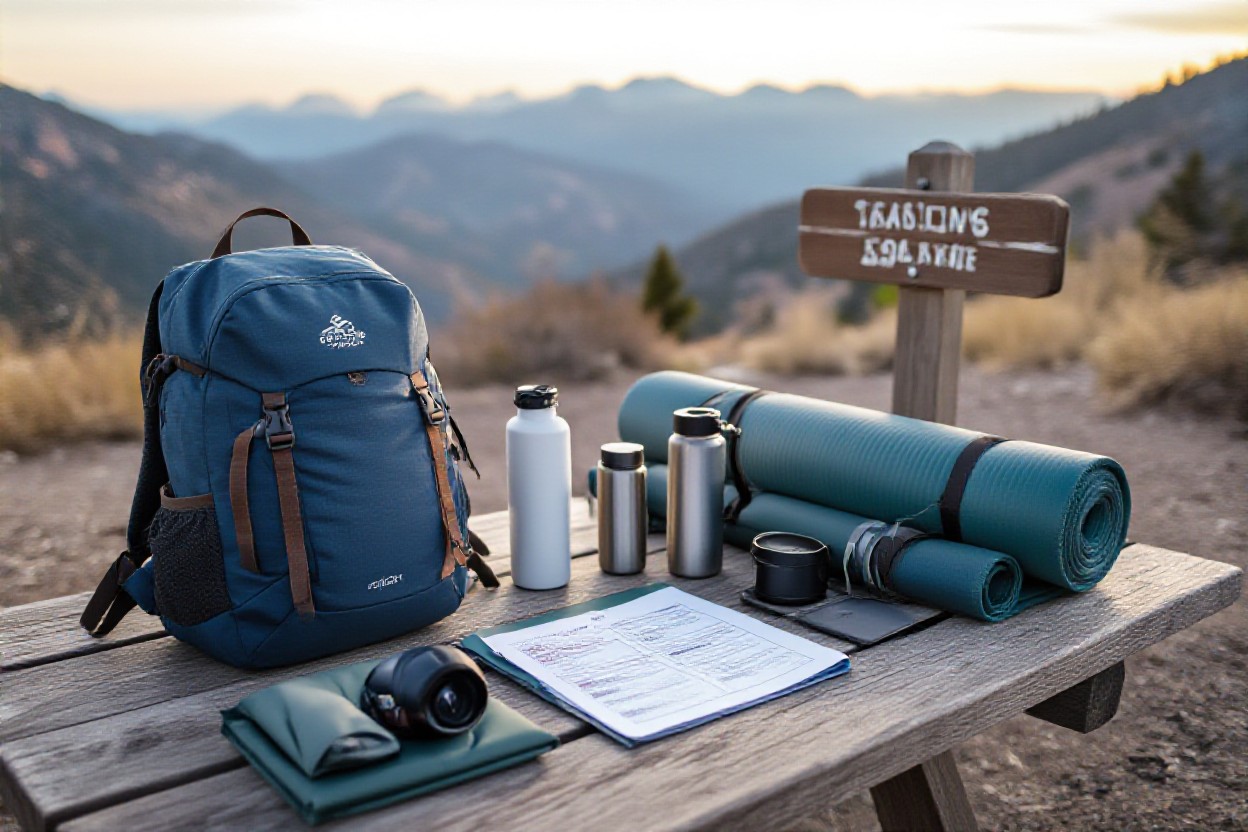
People act like more gear equals more comfort, but on a hiking and yoga retreat, hauling extra junk just crushes your vibe and your shoulders. You want a pack that feels light, dialed-in, and easy to live out of so you can move, stretch, and breathe without feeling like a pack mule. The magic move is choosing multi-use items that work on the trail, on the mat, and at camp, and the last thing you want is a bag so heavy it turns your outdoor wellness adventure into a painful grind.
- lightweight backpack
- multi-use clothing
- compact yoga mat or towel
- travel-size toiletries
- hydration system
Essentials only
Most people pack for their fears, not their actual needs, and that’s why their bags feel like a small apartment on their back. You want importants only: gear that directly supports your hiking, yoga, sleep, and safety, nothing else. Strip it down to what you’ll truly use every single day and ditch the “just in case” nonsense that only adds weight and fatigue. The more intentional your list, the more energy you’ve got left for deep breaths, long views, and those powerful post-hike flows.
Layering options
A lot of people think warmth means one giant hoodie, but that thing turns into a sweaty, chill-inducing mess the second the weather flips on you. Smarter move is rocking layering options so you can adapt fast to wind, sun, sweat, and cool-down stretches after yoga. You want pieces that stack, breathe, and peel off quickly, not bulky stuff that traps moisture and leaves you shivering hard when you stop moving. The right layers turn wild temperature swings into a non-issue, and that freedom feels insanely good on trail and mat.
Layering is basically your secret weapon against the mountains playing mood swings with the weather, and yeah, they absolutely will. Start with a light, moisture-wicking base layer that keeps sweat off your skin, toss a comfy mid-layer on top for warmth, then add a windproof or water-resistant outer layer you can throw on the second things get sketchy. And you don’t need a closet-full here – just a tight little lineup that works together so you can add or strip layers during breaks, long climbs, or slow yoga cool-downs. The real win is staying dry, warm, and flexible without stuffing your pack like a suitcase, because that combo keeps you safe, moving well, and fully locked into the whole outdoor wellness experience instead of battling the elements.
Why You’ll Love Group Activities
You might think you want total solitude on a retreat, but group activities are where so much of the real magic hits you. When you hike, sweat, stretch, and breathe with others who are chasing the same kind of growth, your energy multiplies. Your motivation skyrockets, you push a little further on the trail, you sink a little deeper into each pose. And suddenly, you’re not just on a trip, you’re part of something that feels like a mini tribe in the wild.
Shared experiences
The wild part is how fast strangers turn into your people when you’re sharing the same tough climb and the same sunset savasana. You all feel the same burn in your legs, the same wind on your face, and then that same deep calm when class ends. Those shared highs and lows cement the memories in a way solo adventures rarely do. You walk away with stories that are yours, but also completely, beautifully collective.
Making friends
Friendships on these retreats don’t start with small talk, they start with you gasping for breath on a steep hill and laughing about it with the person next to you. You skip the awkward stuff and jump right into real-life, sweaty, slightly uncomfortable moments together, which is where real connection actually lives. By the time you’ve done a couple of hikes and a few shaky balance poses, you’ve already built trust.
What catches you off guard is how easy it is to talk when you’re walking a trail or rolling up your mat, no forced networking vibes, just you being you. You swap stories about why you came, what you’re chasing, what you’re tired of tolerating in your life, and suddenly you’re not alone in it anymore. You find people who get your weird mix of wanting peace, progress, and adventure, and that hits different. These aren’t just “vacation buddies” either – some of them become the friends who text you months later asking if you’re still keeping promises you made to yourself on that mountain.
The Power of Reflection
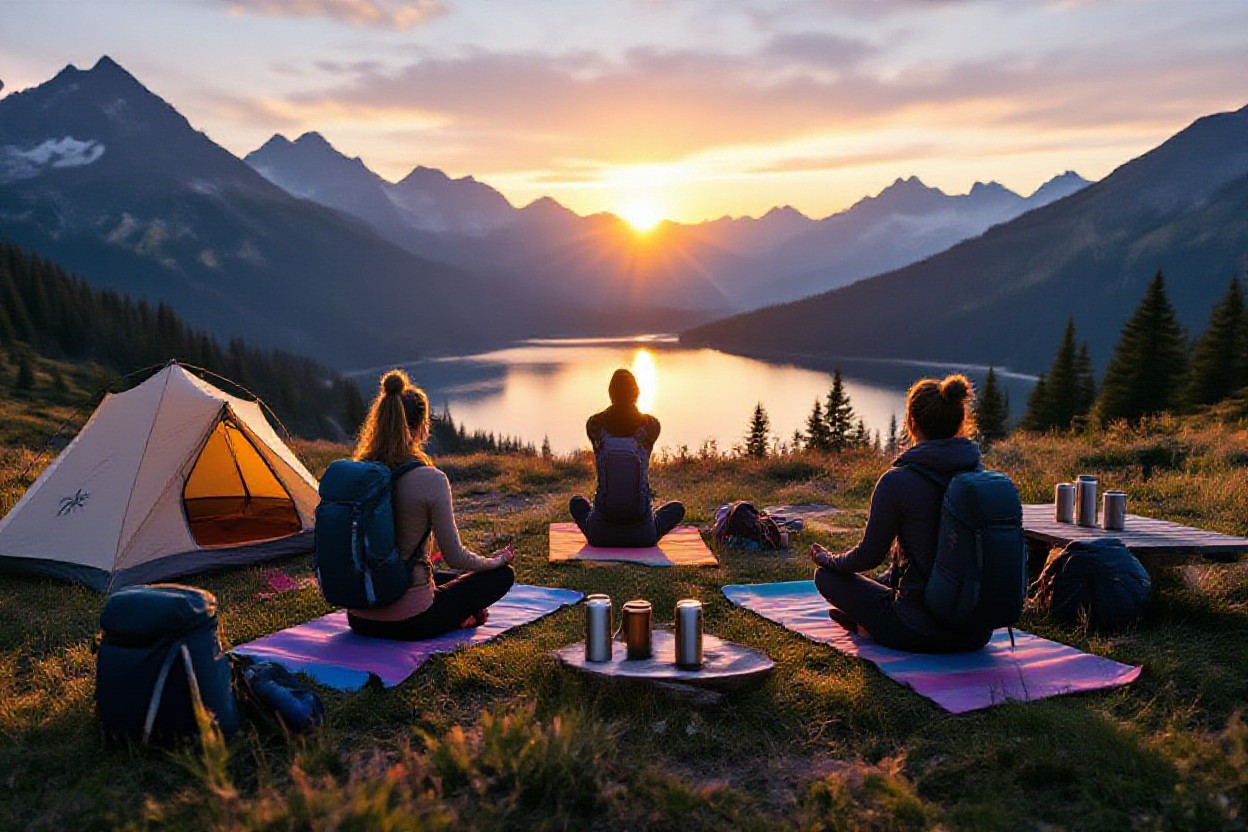
That moment when you drop your backpack, sit on a rock, and suddenly all the noise in your head gets quiet… yeah, that’s where reflection kicks in. Out on the trail, your mind finally has space to breathe, so you start seeing patterns, habits, and stories you’ve been dragging around. When you pair that silence with yoga and breathwork, you get raw, honest clarity about what actually matters in your life, not what everyone expects from you.
Journaling moments
You know those scrappy notes you jot down in your phone or on a napkin at a café, then forget about? On retreat, journaling becomes something completely different. You’re writing with mountain air in your lungs, your legs a bit tired, your mind wide open, and it hits different. Those quick reflections turn into real breakthroughs, because you’re not filtering for social media or anyone else, you’re just writing straight from your nervous system, unpolished and real.
Post-retreat insights
There’s this weird thing that happens a few days after you get home from a retreat – the real insights start landing. You’re back in your regular kitchen, same dishes, same inbox, but you feel lighter and sharper, like you upgraded your internal software. The hike, the yoga, the quiet nights, they all show you where you’ve been overcomplicating life and where you’re actually stronger than you thought.
Picture this: you’re standing in a long grocery line, phone in your pocket for once, and out of nowhere you catch yourself breathing slower, standing taller, not spiraling like you used to. That’s a post-retreat insight hitting you in real time. You start noticing where you used to react, now you just respond, where you used to grind yourself into the ground, now you set real boundaries without feeling guilty.
And yeah, some insights sting a bit, like realizing you’ve stayed in the wrong job or kept saying yes when your body was screaming no. That can feel uncomfortable, even dangerous to your old identity, but it’s wildly positive for your future. You don’t need to overhaul your whole life overnight, you just keep stacking tiny changes based on what you felt in those mountains – one conversation, one habit, one bold choice at a time.
Getting Ready For Your First Retreat
You’re not just going on a trip, you’re stepping into a reset button for your life, so treat it like it matters. Sort your gear early: proper hiking shoes, layers for changing weather, a solid water bottle, and anything your body needs so you’re not fighting blisters or headaches on day one. Check the retreat schedule and prep your body with light walks and a few yoga flows so you don’t get totally smoked. And yeah, protect your energy – good sleep, sunscreen, and hydration are non-negotiable.
Set intentions
You get way more out of a retreat when you’re clear on why you’re actually going. Are you chasing stress relief, deeper mind-body connection, or just craving time away from the noise. Jot down 1-3 simple intentions and keep them messy and real, not some fake Instagram quote. Let those intentions guide how you show up on the mat, on the trail, and in conversations so the whole experience feels aligned with your actual life, not someone else’s highlight reel.
Excitement vibes
Your nervous excitement before a retreat is pure rocket fuel, so don’t try to numb it out, use it. That jittery mix of “what if this changes everything” is a sign you’re stepping out of autopilot, and that’s huge. Channel that buzz into prepping your body, dialing in your mindset, and visualizing yourself crushing hikes and feeling calm as hell in savasana. Let the hype carry you, but keep it grounded so you don’t burn out on day one.
When those excitement vibes kick in, your brain will start throwing all kinds of stories at you – some hyped, some scary – and that’s fine, it means you actually care. You might obsess over gear, overthink the group, or worry if you’re “fit enough”, but that energy can be flipped into focused preparation instead of anxiety. Use the hype to plan smart: double-check your boots, stretch a bit more, dial in your playlist for travel, maybe even practice some morning breathwork so you hit the retreat already primed. And if your excitement feels almost too intense, ground it with simple stuff like breathing, staying hydrated, and not pushing your body into risky overtraining just to feel “ready”.
Conclusion
As a reminder, the wildest part is you don’t go on a hiking and yoga retreat to “escape” life, you go so you can show up bigger in your real life. You trade endless scrolling for fresh air, sweat, quiet, and that deep inner voice you’ve been muting for years.
You come home stronger in your body, sharper in your mind, softer in your reactions. And that mix right there – that’s your unfair advantage. So if your gut’s nudging you, trust it and build your next breakthrough out on the trail, not in your inbox.
FAQ
Q: What actually happens on a hiking and yoga retreat day-to-day?
A: Lately, more retreats are posting full daily schedules on social media, and you can see it’s not just sunrise yoga and then a whole lot of nothing. A typical day might start quietly with breathwork or meditation, then a gentle yoga flow before breakfast so your body wakes up slowly.
Mid-morning is usually when the main hike happens – sometimes it’s a steady climb to a viewpoint, other times it’s an easy valley walk with lots of photo stops. Afternoons often include restorative or yin yoga, journaling time, maybe a workshop on mindset, stress, or nutrition.
Evenings can be surprisingly cozy: group dinners, sharing circles, stretching, stargazing, or just reading in a hammock. You get movement, nature time, social connection, and pockets of actual silence where nobody expects you to do anything at all.
Q: How fit do I need to be for an outdoor wellness adventure like this?
A: Fitness levels on these retreats are way more mixed now, because organizers are marketing to stressed-out office folks, not just hardcore hikers. Most trips are designed so someone with average fitness who walks regularly can handle the hikes without feeling destroyed.
Retreats usually publish distance, elevation gain, and daily hours on the trail, so check those details carefully. If you can walk 5-10 km on varied terrain, climb stairs without gasping, and carry a small daypack, you’re probably fine for a beginner-friendly retreat.
If you’re nervous, start walking a few times a week, add in some light strength work (squats, lunges, core) and practice standing yoga poses for balance. And if you do have injuries or conditions, just email the host with honest info – good organizers will tell you straight up if it’s a good fit or not.
Q: What should I pack for a hiking and yoga retreat so I’m prepared but not overloaded?
A: People are sharing “what I actually used” packing videos now, and they all say the same thing: you need way less than you think. Focus on layered, quick-dry clothing for hiking, plus softer, stretchier pieces for yoga – sometimes they can double up, but not always.
Non-negotiables: broken-in hiking shoes or trail runners, moisture-wicking socks, a light rain jacket, a warm layer, hat, refillable water bottle or hydration bladder, small first-aid kit, and any meds you rely on. For yoga, pack comfy leggings or shorts, a couple of tops, and if you love your own mat, bring a light travel one (some retreats provide mats, some don’t).
You’ll also be glad you brought blister care, sunscreen, insect repellent, a headlamp, and a small power bank. Keep toiletries simple, use packing cubes if you like being organized, and leave super fancy outfits at home – nature truly doesn’t care what you’re wearing.
Q: How do I choose the right retreat style – more hiking, more yoga, or a balance?
A: Retreats have shifted a lot, there’s now everything from “yoga with a little walking” to “serious trekking with some stretching at the end”. Start by asking yourself what your body is actually craving right now: deep rest, physical challenge, mental reset, or a mix.
Check how the retreat describes itself: if it says “gentle walks” or “accessible for beginners”, the hikes are probably shorter and the yoga might be the main focus. If it mentions daily peak summits, long distances, or altitude, you’re looking at a hiker-heavy trip with yoga more as recovery.
Also, look for words like “restorative”, “yin”, or “slow flow” if you want relaxing sessions, and “vinyasa”, “power”, or “dynamic” if you like more fire. Reading real reviews is gold – people will usually say if it felt too intense or not active enough.
Q: What if I’m new to yoga or not super flexible – will I feel out of place?
A: With the rise of beginner-friendly content and inclusive yoga on Instagram, a lot of retreat hosts are very used to total newbies showing up. You don’t need to touch your toes, nail a headstand, or know Sanskrit pose names to belong there.
Good teachers cue in plain language, offer props and modifications, and demo different options for the same pose so everyone has a way in. You’ll see people using blocks, bending knees, dropping to their knees in plank – it’s normal, not a fail.
If you’re worried, you can always do a couple of beginner yoga videos at home just to get familiar with basic shapes like downward dog, warrior 1, and child’s pose. The goal on retreat is to feel your body, steady your breath, and relax your nervous system – not win some imaginary flexibility contest.
Q: How safe are hiking and yoga retreats, especially if I’m traveling solo?
A: With more solo travelers booking wellness trips lately, safety protocols have gotten a lot better and more transparent. Most reputable retreats use local guides for the hikes, track weather, have radio or phone contact plans, and make sure someone knows the route and timing each day.
For personal safety, check if airport transfers are included or clearly arranged, ask about room-sharing policies, and see if they have a code of conduct for guests. Solo travelers usually get paired with a same-gender roommate or can pay extra for a private room if that feels better.
Read reviews specifically from solo travelers, stalk the organizer’s social media to see how they interact with guests, and trust your gut if communication feels sketchy. Basic stuff still matters: travel insurance with adventure coverage, sharing your itinerary with someone at home, and having offline maps on your phone.
Q: What kind of mental and emotional benefits can I realistically expect from an outdoor wellness retreat?
A: There’s been a big wave of people talking about “nervous system regulation” and “nature as therapy” online, and retreats are leaning into that for good reason. Time on the trail plus slow, mindful movement tends to lower stress hormones, improve sleep, and quiet that background mental noise a lot of us live with.
Being away from constant notifications, office drama, and your normal to-do list gives your brain this rare chance to reset. The combo of shared group energy, honest conversations over meals, and quiet solo moments on the path can help you see old problems from a different angle.
You probably won’t come home with your entire life magically solved. But it’s very realistic to come back with a calmer baseline, a few simple practices you can use in daily life, and a clearer sense of what actually matters to you right now.
