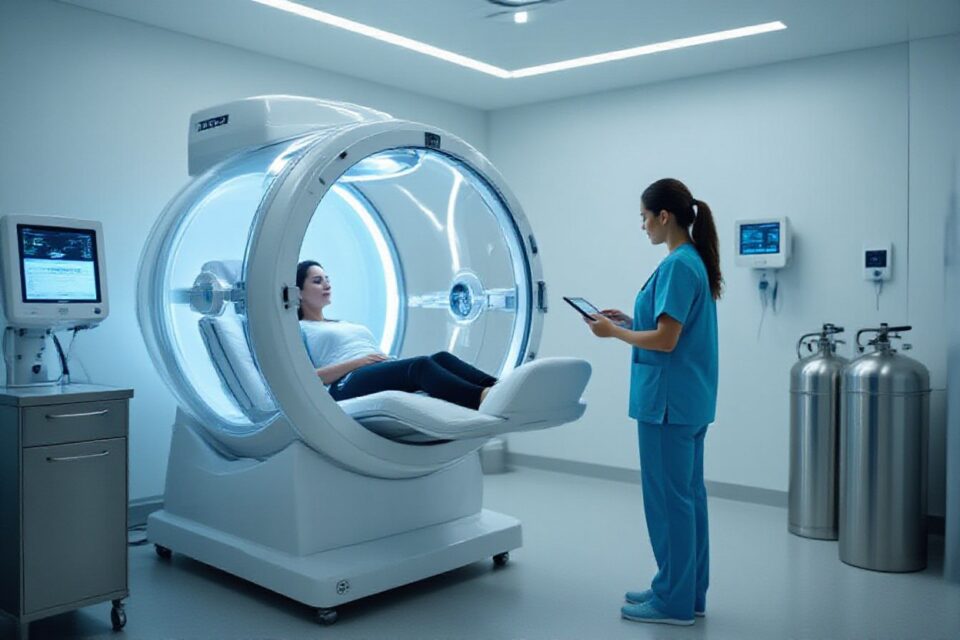
Wellness lounges are popping up everywhere and you walk into one where people are chilling in sleek glass chambers, breathing pure oxygen like it’s the future of health. You’re told HBOT might boost recovery, sharpen your brain, even slow aging a bit, and it all sounds pretty wild… but then you hear about real risks like oxygen toxicity and ear-barotrauma if it’s pushed too far. So you want the hype stripped away, the biology unpacked, and the actual evidence for benefits like wound healing and post-concussion recovery laid out in plain language.
What the Heck is Hyperbaric Oxygen Therapy Anyway?
You basically lie in a sealed chamber, breathe almost pure oxygen, and let physics do the heavy lifting while you just hang out. HBOT cranks the pressure up to around 1.5-3.0 ATA so your blood can carry far more oxygen than usual, pushing it into tissues that normally get the short end of the stick. Elite athletes use it for faster recovery, some long-COVID patients report better energy, and wound clinics rely on it for stubborn ulcers. It’s not just a spa fad – it’s repurposed hospital tech wrapped in wellness branding.
The Science Behind It
What surprises most people is how hard oxygen is to get deep into damaged tissue, even when your blood is “100% saturated”. Under 2 ATA pressure, you can dissolve up to 10-15 times more oxygen directly into your plasma, bypassing clogged capillaries and beat-up red blood cells. That extra O2 can trigger angiogenesis (new blood vessels), ramp up collagen production, and improve how your mitochondria crank out ATP. Basically, you’re hacking basic gas laws and cell biology, not waving crystals at your inflammation.
How It Works in a Nutshell
Imagine your body as a city where some neighborhoods are in a permanent blackout because blood just doesn’t quite get there – HBOT floods those dark corners with extra oxygen by increasing pressure and purity at the same time. A typical session runs 60-90 minutes at around 1.5-2.4 ATA while you breathe up to 100% oxygen, so your plasma gets super-saturated and can slip into places red cells can’t reach. That’s when stalled healing processes suddenly restart: chronic wounds close, post-concussion brain fog sometimes eases, and soft tissue injuries calm down faster.
In a bit more detail, you climb into the chamber, it seals, then the operator gradually ramps up the pressure – your ears might pop like on a plane, so you swallow or yawn to clear them. Once you hit the target pressure, your lungs start pulling in that high concentration oxygen, and Henry’s law quietly kicks in, forcing extra O2 to dissolve straight into your plasma, cerebrospinal fluid, even lymph. Sessions stack, so with 20-40 treatments you can see structural changes like new capillary networks and better microcirculation, not just a one-off buzz. That cumulative effect is what moves HBOT from “cool experience” into genuine physiological remodeling territory, which is exactly why hospitals use it for decompression sickness, carbon monoxide poisoning and gnarly radiation injuries, while wellness centers sneak it into your recovery stack next to red light and cold plunges.
Why’s Everyone Buzzing About This Wellness Trend?
You see people willingly pay to sit in pressurized pods breathing pure oxygen, not because they lost a limb in a diving accident, but because they want better focus, glowing skin, faster recovery, even “cellular upgrades”. It sounds like science fiction, yet high-pressure oxygen has been used in hospitals for decades, so your brain instinctively goes, “ok, maybe there’s something here”. That strange mix of legit medical tech plus spa marketing is exactly why HBOT has become the wellness world’s latest shiny object.
The Claims and the Hype
Some clinics promise HBOT will slow aging, reverse inflammation, supercharge your brain, heal injuries twice as fast, and even “detox” your body. You’ll see pro athletes in 2.0 ATA chambers and influencers posting post-session selfies claiming mental clarity jumps, sleep improves overnight, and workouts suddenly feel easier. Marketing leans heavily on words like “cellular repair” and “stem cell activation”, wrapping half-understood physiology in glossy Instagram quotes, and you’re quietly nudged to believe you’re basically biohacking your way into a younger version of yourself.
Real Life Benefits (or Not)
Once you strip away the spa music and mood lighting, you find that the strongest evidence is still for old school medical uses: decompression sickness, carbon monoxide poisoning, stubborn wounds in diabetics, radiation tissue damage. For wellness stuff – faster muscle recovery, better cognition, skin “rejuvenation” – studies are way smaller, sometimes conflicting, and usually use higher pressures or more sessions than your average boutique lounge sells. You might feel great after a few dives, sure, but separating placebo, hype, and actual physiology is where things get interesting.
When you dig into the data, you see why your experience might not match the Instagram stories. Controlled trials using 2.0 to 2.4 ATA for 20-40 sessions have shown measurable improvements in things like chronic wound healing rates, certain traumatic brain injuries, and radiation injuries – that’s solid. But the “brain boost” claims for healthy people mostly come from tiny studies, often fewer than 30 participants, and they’re not always double-blinded, so expectation effects creep in fast. You’ll also see a lot of clinics citing the famous Israeli study that reported telomere lengthening and reduced senescent cells in older adults after 60 HBOT sessions; what they don’t say loudly is that this was a very specific protocol, in a very controlled research setting, not a casual drop-in at your neighborhood wellness pod.
Is It Safe? Let’s Talk Risks
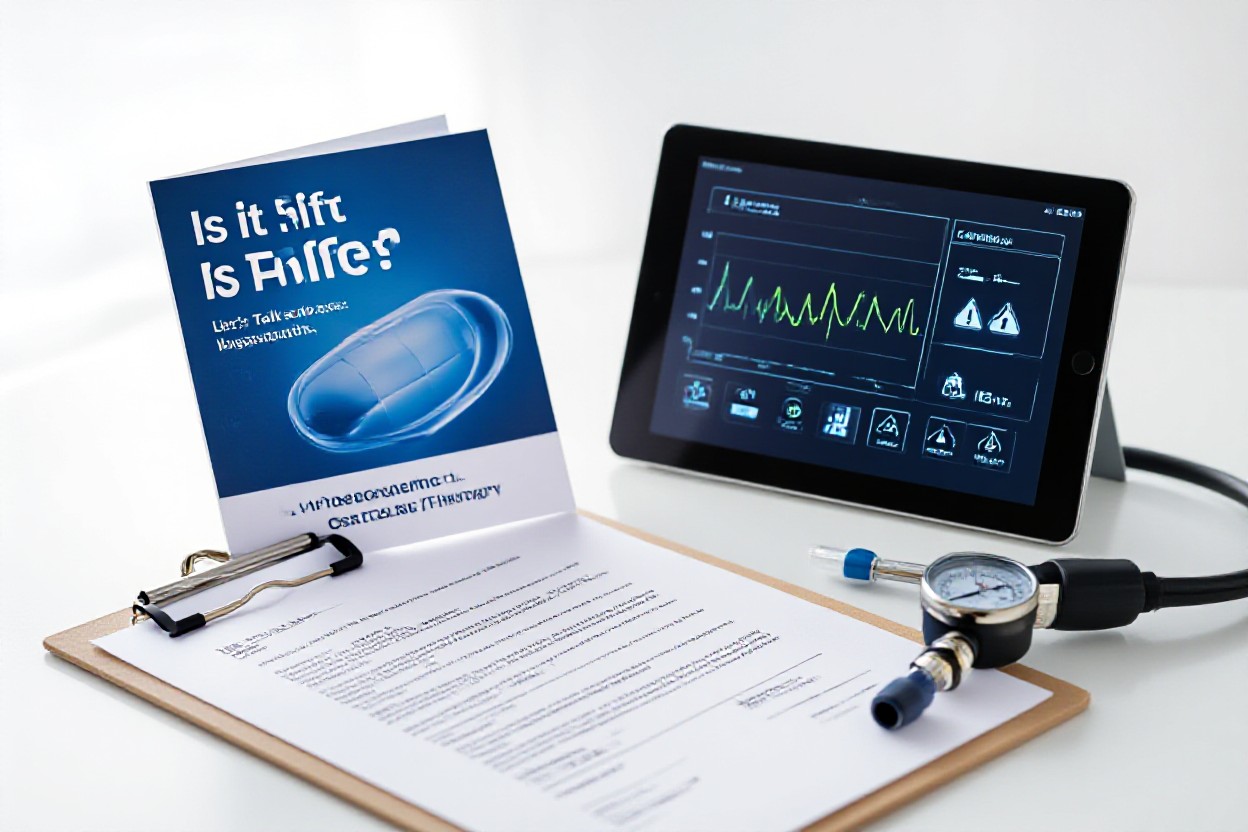
A lot of people assume HBOT is like sitting in a fancy oxygen spa, but you’re still dealing with 2 to 3 times normal air pressure and near-pure oxygen, so it’s not a toy. At clinical centers you’re monitored for ear barotrauma, oxygen toxicity, seizures and even rare fire risk, which is why staff ban petroleum products, lighters and some electronics. You’ll usually see sessions capped around 60-120 minutes at 2.0-2.5 ATA to keep risk low, and if anything feels weird – chest pain, vision shifts, extreme fatigue – you step out and get checked.
Who Should Give It a Shot?
You’re a good candidate if you’re dealing with something pretty concrete, like radiation tissue damage, chronic non-healing diabetic foot ulcers, decompression sickness or certain serious infections that already have HBOT in treatment guidelines. You might also be in the “maybe” group if you’ve got mild TBI or long Covid and you’re working with a neurologist who actually tracks data, not just vibes. And if you’ve got uncontrolled asthma, COPD, untreated pneumothorax or had recent ear surgery, you really sit this out until a specialist clears you.
What Could Go Wrong?
You might be told HBOT is totally benign, like breathing fancy air, but the physics and biology say otherwise and they’re not shy about it. Your ears and sinuses take the first hit, so you can get barotrauma, ruptured eardrum, sinus pain if you can’t equalize properly, especially above 2.4 ATA. Lungs are next in line, with rare but scary issues like pulmonary barotrauma or even air embolism if you’ve got an undiagnosed lung bleb or hold your breath during decompression. And because you’re soaking your brain in high oxygen, there’s a small but real risk of oxygen-induced seizures, which is why staff watch you like a hawk.
On top of that, your eyes can quietly shift too: repeated sessions have been shown in clinical studies to trigger temporary myopia and lens changes, sometimes after 20-30 dives, so you suddenly “need” new glasses and then things partly normalize months later. Skin can react as well, with some people reporting fatigue, headaches and a weird “hungover” feeling for 24 hours, especially when they start at aggressive protocols like 2.8 ATA for 90 minutes. Fire risk sounds dramatic, but it’s not theoretical – case reports describe chamber fires started by banned items like lighters or non-approved electronics, which is why medical-grade units use strict clothing checks and oxygen concentration limits. So if a wellness lounge is casual about safety briefings, doesn’t ask your medical history, or shrugs off side effects as “detox”, that’s a pretty loud red flag for your future self to avoid.
My Take on the Whole Thing
What do you actually do with all these stats, studies, and wild HBOT claims swirling in your head? You weigh them like you’d weigh any big decision about your body: you balance the measurable clinical gains in wound care, radiation injury, and decompression sickness against the very real issues like barotrauma, oxygen toxicity, and cost. You give more weight to randomized trials than influencer anecdotes, and you accept that in 2026, HBOT is both a legitimate medical tool and a wildly over-marketed wellness accessory at the same time.
A Personal Journey with HBOT
What happens when you go from reading PubMed abstracts to actually climbing into the chamber yourself? You start noticing tiny, unsexy details: the weird pressure in your ears at 2.0 ATA, the way your skin feels after 60 minutes of breathing near-100% oxygen, the fatigue that sneaks in after your tenth session in two weeks. You catch yourself comparing your own brain fog, sleep, and workout recovery to those small case series where people did 20-40 dives and reported subtle but real cognitive shifts.
Making Sense of the Information
What do you do when Instagram says HBOT is a miracle and the clinical data says “it depends”? You start sorting signals from noise: strong evidence for things like diabetic foot ulcers, osteoradionecrosis, and decompression sickness, weaker or messy data for long Covid, TBI, and anti-aging. You notice that most of the sexy brain studies use 40 sessions at 2.0 ATA, not 3 casual spa dives at 1.3 ATA, and that alone totally changes how you think about the glossy marketing around “wellness oxygen pods”.
Because once you zoom in on the numbers, your whole perspective shifts: you see that many of the best TBI and long Covid trials used 60-90 minute exposures, 5 days a week, for 4-8 weeks, with tight protocols and sham controls, while most commercial wellness centers sell 3-session starter packs in soft chambers at 1.3 ATA with no medical supervision at all. So you start asking sharper questions – what pressure, how many sessions, what indication, what outcome metric, what side effects tracked – instead of “does HBOT work?”. And when you frame it like that, you realize you’re not just chasing a trend, you’re trying to fit a specific tool to a specific problem, which is exactly how you avoid getting burned by hype and still leave the door open for genuine, measurable benefit.
The Real Deal About Costs and Accessibility
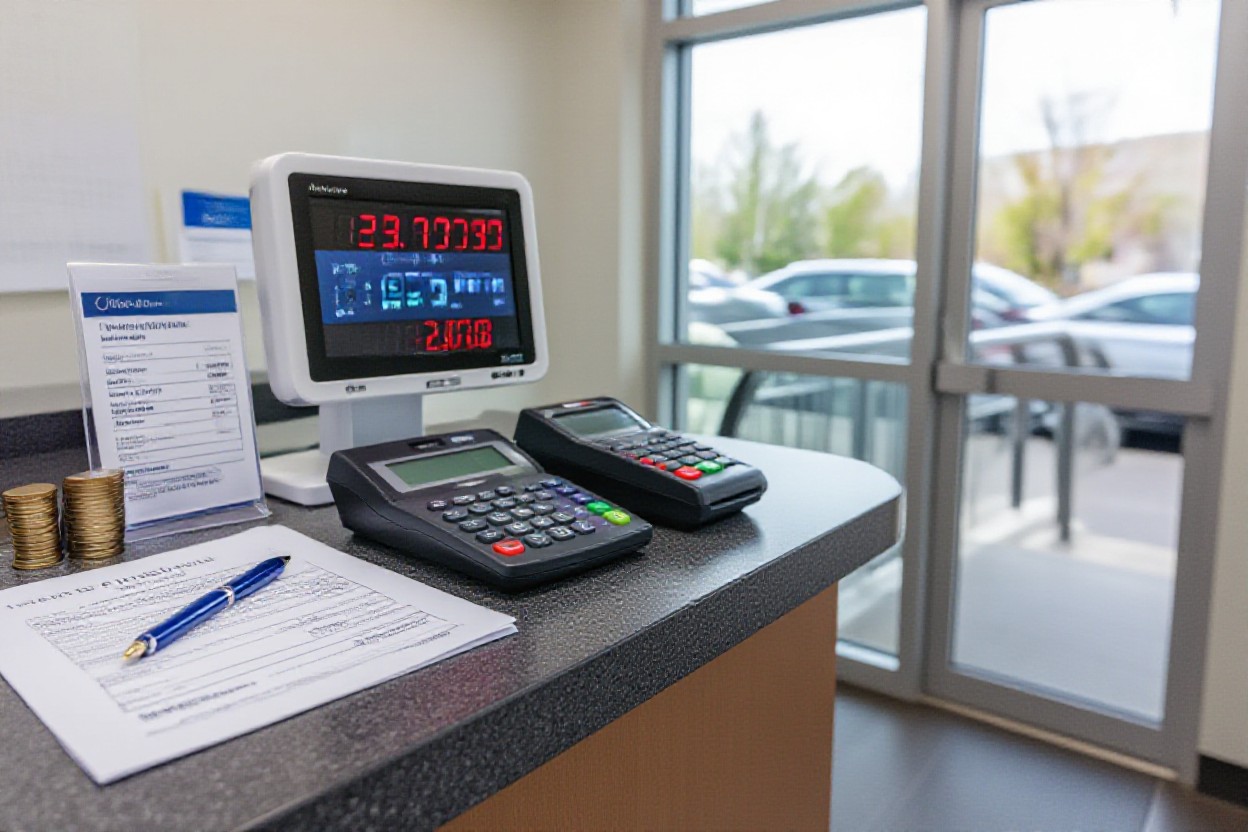
Ever wonder if this sleek space-pod therapy actually fits your real-world budget and location, not just influencer lifestyles? In 2026, hyperbaric sessions range from boutique wellness lounges in LA to hospital-grade clinics in mid-sized cities, and the spread is wild. You get a strange mix of high-tech medicine and spa pricing, where a single hour can cost more than your monthly gym membership. And while the science is moving fast, insurance coverage is still mostly stuck in the past, which shapes who can realistically use HBOT as more than a one-off experiment.
What Will It Set You Back?
If you’re pricing this out, you’re likely juggling curiosity with your bank balance. In most US cities, a single session in a wellness lounge runs about $100-$250, while hospital-grade HBOT for approved medical conditions can hit $300-$600 per session. Packages drop costs to roughly $1,500-$4,000 for 20 sessions, especially for recovery or anti-aging programs. And because insurers usually only pay for a short FDA-approved list of conditions, you often end up treating HBOT like a high-end subscription, not a reimbursed medical visit.
Where Can You Get It Done?
Once you start searching, you realize HBOT lives in two very different worlds. On one side you’ve got hospital and wound-care centers running hard-shell chambers at 2.0-2.5 ATA, tightly regulated, doctor-supervised, very clinical. On the other, wellness studios and sports performance labs offer soft or lower-pressure chambers at about 1.3-1.5 ATA, wrapped in mood lighting and playlists. Elite athletes book recovery blocks in private facilities, while some biohackers even buy home units, turning a spare room into something that looks suspiciously like a science experiment.
What really matters for you is how these options differ once you actually walk through the door. Hospital-based HBOT usually needs a physician referral, a diagnosis that fits a narrow insurance-approved list, pre-treatment screening, and strict session protocols – you might be sharing a multi-place chamber with several patients at once. Contrast that with wellness centers where you book online like a haircut, sign a stack of waivers, then climb into a soft-sided chamber with your podcast and a bottle of water, no lab work in sight. In Europe and parts of Asia, you’ll see a hybrid model: sports clinics attached to hospitals, pro cycling or football teams with on-site chambers, and some public systems partially funding HBOT for diabetic wounds or radiation injury. So your access in 2026 is basically a postcode lottery plus your disposable income, which makes it incredibly convenient for some people and almost theoretical for others.

Should You Try It? Here’s My Advice
So the real question is, do you personally fit into the small slice of people who might actually benefit from HBOT rather than just chasing a shiny biohack trend? If you’re not dealing with a diagnosed medical need, you’re basically entering a space where the science is still catching up, even though the Hyperbaric Oxygen Therapy Market Size 2025 to 2034 is exploding. You might get some better recovery or focus, sure, but you’re also taking on cost, time, and non-trivial risk, so treat it like an experiment, not a miracle.
Weighing the Pros and Cons
You can think of HBOT like a high-powered tool in your health toolbox that might help a lot in specific situations yet be total overkill for everyday tune-ups. Clinical data in wounds, radiation injury, and decompression sickness is solid, but when you drift into vague wellness claims, the signal-to-noise ratio nosedives fast. So it helps to spell it out clearly, side by side, before you book a 10-session package.
| Pros | Cons |
|---|---|
| Evidence-backed for things like diabetic foot ulcers, radiation injury, gas embolism | Barotrauma risk to ears, sinuses, lungs if pressure changes hit you hard |
| Some users report faster recovery after surgery or intense training blocks | Sessions can be long and repetitive, often 60-120 minutes, several times a week |
| May boost tissue oxygenation in areas with poor blood flow | Fire risk if safety protocols around oxygen and electronics are sloppy |
| Might support brain healing in specific cases being studied (TBI, stroke) | High out-of-pocket costs, especially for wellness centers not covered by insurance |
| Non-invasive compared with surgery or more aggressive interventions | Claustrophobia and anxiety in closed chambers are pretty common |
| Standardized protocols exist in hospital settings for approved indications | Quality and pressure levels vary wildly between clinics and soft chambers |
| Can be combined with rehab, physio, or wound care for synergistic effects | Potential oxygen toxicity if sessions are poorly supervised or too frequent |
| Growing body of research, with hundreds of trials across conditions | Hype often outpaces data, especially for anti-aging and general wellness |
Listening to Your Body
Before you commit to a block of 20 dives because a celebrity on Instagram swears by it, you’ve got to treat your own body like a real-time experiment, not an afterthought. Track your sleep, headaches, energy, even ear pressure day by day, and if you notice even mild chest tightness or weird neurological symptoms, you stop, full stop, and talk to a real doctor, not just the clinic staff. Short-term changes often appear within 3-5 sessions, so if you feel nothing at all or feel worse, that data matters more than marketing copy.
In practice, you might keep a simple log: session number, pressure level, time in chamber, plus a 1-10 scale for fatigue, pain, and mood before and after. Over 2 weeks, patterns tend to emerge, just like they do in training data for a physics experiment, only this time you’re the system under observation. If you see a small but consistent bump in your recovery or cognitive sharpness, you can choose to keep going, but if your graph is flat or trending negative, your body’s already giving you the verdict. And in that situation, the most rational move is not to push through – it’s to walk away and invest your time, money, and oxygen in something that actually improves your baseline, not just your expectations.
Conclusion
Upon reflecting, you might still think hyperbaric oxygen is some kind of sci-fi longevity pod, but by now you know it’s just physics, biology, and a bit of clever engineering teaming up with your own healing systems. You get to treat it like data, not dogma – weigh the evidence, question the hype, and ask yourself what outcome you actually care about.
Because in the end, your best wellness tool isn’t a chamber, it’s your skeptical, curious mind.
