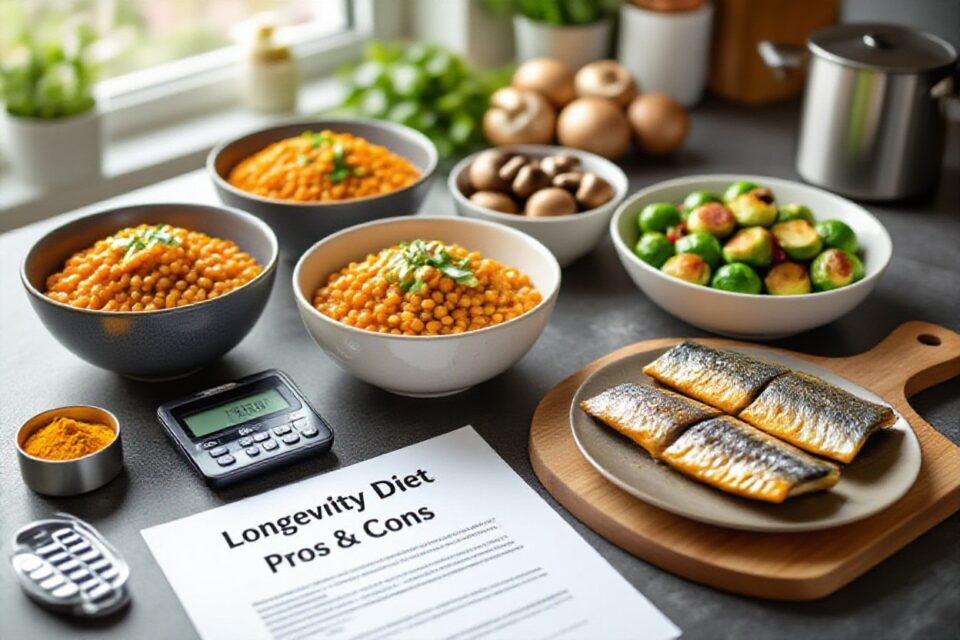
Just imagine catching your reflection one morning and thinking, ok, it’s time to get serious about how you age, not just how you look in photos. You’re not chasing some wild fad diet, you want real food that actually supports your brain, joints, and energy long-term. In this guide, you’ll look into practical, science-backed functional foods that quietly work in the background so you can keep doing your thing without falling apart. And you’ll see how small tweaks to your daily plate can have a shockingly big impact on how well you age.
What’s the Deal with Longevity Diets?
You care about living longer, but you also want to feel sharp, mobile, and actually enjoy your food, right? Longevity diets try to stack the odds in your favor by nudging your metabolism toward better blood sugar, lower inflammation, and steadier energy. You see this in real life with places like Okinawa, where people eating mostly plants and modest portions have far fewer chronic diseases. Small, daily food choices quietly compound over decades, shaping how you age.
Types of Longevity Diets You Should Know
Different longevity diets give you slightly different roadmaps, but they usually circle around similar themes: more plants, smarter fats, fewer processed carbs, and not eating nonstop from morning to midnight. Some patterns, like the Okinawan or Mediterranean style, are based on entire cultures that naturally hit 90 and 100 more often. This matters because you can borrow what clearly works in the real world without living in a blue zone yourself.
- Mediterranean diet
- Okinawan-style eating
- Blue Zones patterns
- Plant-forward diets
- Time-restricted eating
| Mediterranean-style | Centered on olive oil, vegetables, whole grains, and fish, linked to up to 30% lower cardiovascular risk in large cohorts. |
| Okinawan approach | Heavy on sweet potatoes and greens with a cultural habit of eating to 80% full, tied to extreme longevity in Japan. |
| Blue Zones patterns | Real-world examples where up to 95% of calories often come from plants, with very low rates of chronic disease. |
| Plant-forward diets | Focus on fiber-rich plants that support your gut microbiome and help lower LDL cholesterol and inflammation. |
| Time-restricted eating | Limits your eating window to roughly 8-10 hours, which can improve insulin sensitivity and weight regulation over time. |
How Do These Diets Really Work?
You might wonder what’s actually happening under the hood when you switch to a longevity style of eating, and it’s more than just “healthy food is good for you.” These patterns tend to lower chronic inflammation, improve insulin sensitivity, and support healthy blood vessels, which is why people see drops in blood pressure and triglycerides within weeks. This kind of eating also feeds your gut microbes with fiber so they pump out short-chain fatty acids that help protect your colon and even your brain, plus there’s emerging data on how periodic mild calorie gaps trigger cellular cleanup called autophagy that may slow some aging pathways.
Because your body constantly repairs damage from things like oxidative stress, you basically give it better tools when you eat more polyphenols (think berries, olive oil, herbs) and fewer ultra-processed snacks that spike glucose to 180 then crash. Some 5-year Mediterranean diet trials in older adults even showed improved cognitive scores and reduced depression risk, which tells you this isn’t just about cholesterol numbers on a lab slip. So when you line up these small advantages – lower inflammation, steadier insulin, cleaner blood vessels, better gut health – you create a sort of compound interest effect for your future self, and this is where longevity diets quietly shape how well you age, not just how long you last.
My Top Tips for Eating to Live Longer
Instead of chasing fancy supplements, you get far more mileage by nailing the basics: build your plate around plants, prioritize protein at every meal, and keep added sugar in the “treat” category, not the daily one. Aim for at least 25-30 grams of fiber per day, drink mostly water, and let alcohol be the exception, not the rule. Thou should focus on consistent, boring habits that quietly stack up to extra healthy years.
- Load half your plate with vegetables or fruit at most meals.
- Hit at least 1.2 g of protein per kg of bodyweight daily to protect muscle.
- Swap refined carbs for whole grains like oats, quinoa, and barley.
- Use olive oil as your main fat and keep ultra-processed snacks rare.
- Stick to time-consistent meals to support your circadian rhythm.
Simple Swaps to Make in Your Diet
Instead of overhauling everything at once, you win big with tiny daily swaps that add up. Trade sugary cereal for steel-cut oats, white bread for 100% whole grain, soda for sparkling water, and processed deli meat for beans, lentils, or grilled fish. You can also swap creamy dressings for olive oil and vinegar, and late-night dessert for Greek yogurt with berries.
Foods You Should Definitely Include
Instead of obsessing over what to cut, you get much better results by doubling down on longevity all-stars like berries, leafy greens, extra-virgin olive oil, fatty fish, and fermented foods. Aim for fish twice a week, at least one big salad most days, and a daily serving of yogurt, kefir, or kimchi. Thou should treat these like non-negotiables in your kitchen.
When you zoom in on the research from places like Okinawa and Sardinia, you see the same pattern: people eat loads of plants, rely on beans and lentils for steady protein, and get their fats mostly from olive oil and nuts. You can copy that by keeping frozen berries on hand for smoothies, bagged leafy greens for quick sautés, and canned chickpeas or black beans to toss into soups and salads. And if you add just 2 servings of fatty fish a week, your heart and brain will thank you for the extra omega-3s, even if the rest of your diet isn’t perfect yet.
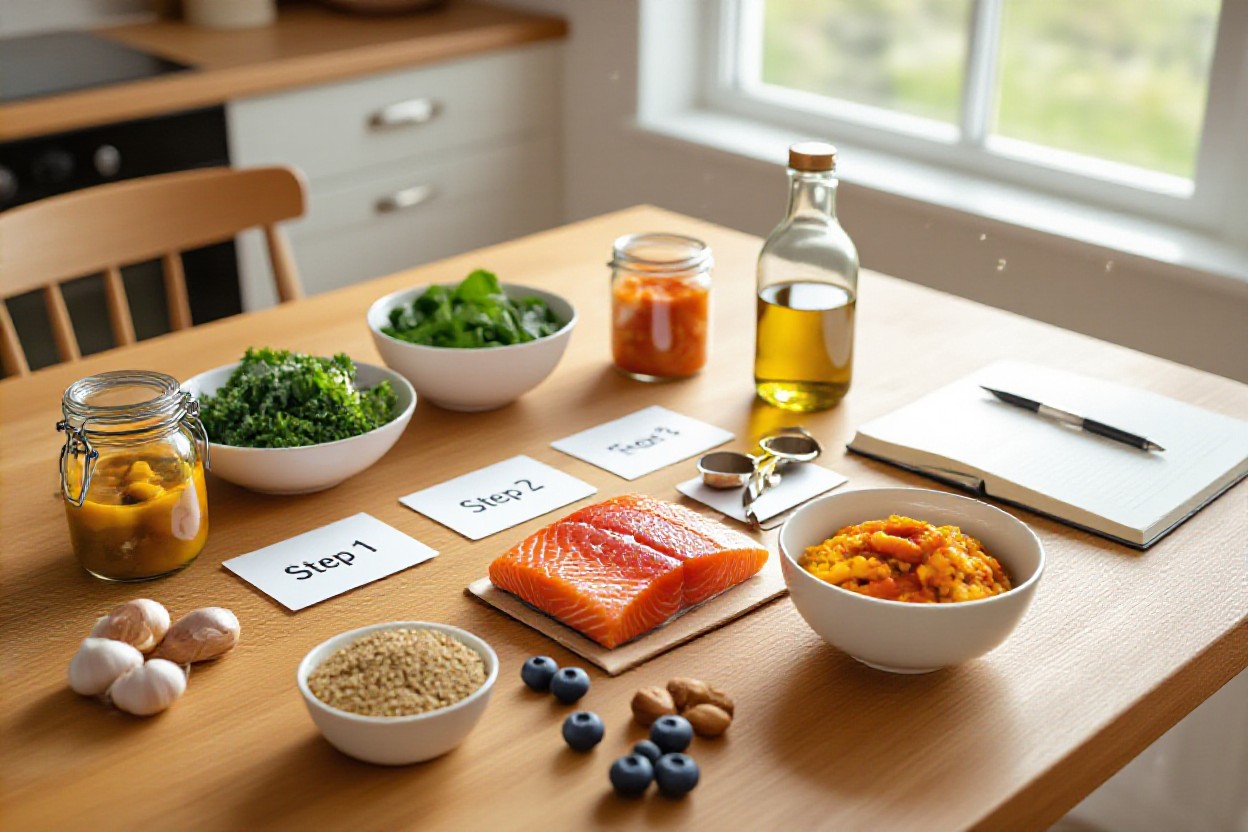
Here’s a Step-by-Step Guide to Starting Your Longevity Journey
| Step | What You Actually Do |
| 1. Set your baseline |
You start by tracking 3 days of meals, sleep, and energy levels, then note waist size, weight, and maybe a simple blood test like fasting glucose to see where you are right now. |
| 2. Pick one anchor habit |
You choose a single non-negotiable, like a protein-rich breakfast or a 12-hour overnight fast, because one consistent habit beats five perfect ones you quit. |
| 3. Upgrade one meal |
You focus on turning just lunch or dinner into a longevity plate: half veggies, quality protein, healthy fats like olive oil, and you do this 5 days a week to lock it in. |
| 4. Layer in movement |
You pair your new eating pattern with a simple daily walk after meals, which studies show can cut blood sugar spikes by up to 30% in older adults. |
| 5. Review and adjust |
You check in every 2 weeks, tweak portions, add more fiber or protein, and track small wins like better sleep, fewer crashes, or looser waistbands. |
Designing Your Meal Plan
What if your weekly menu could quietly do the heavy lifting for your future self? You start by locking in 2 or 3 “default” meals you can repeat, like a lentil-veggie bowl with 25-30 grams of protein, or salmon with a heap of greens and olive oil. That way you’re hitting at least 25 grams of protein and 8-10 grams of fiber per main meal without thinking too hard. Over a month, that kind of boring consistency is what actually reshapes your metabolism.
Getting Into a Routine – It’s Easier Than You Think
What if your routine didn’t feel like a routine at all, just a series of small choices that stack up? You start by tying new habits to things you already do, like sipping green tea after breakfast or prepping veggies right after you clear dinner dishes. Within 2-3 weeks, your brain starts treating these as the “new normal” and your willpower bill drops sharply. That’s when longevity eating stops feeling like effort and starts feeling like autopilot.
Ever notice how some people seem to “just be healthy” without obsessing over it all the time? You can steal that trick by turning your longevity habits into tiny rituals that fit into your real life, not some fantasy schedule. So you might batch-cook beans on Sundays while you watch a show, keep cut fruit at eye level in the fridge, or set a 3-minute timer to walk after each meal – nothing heroic, just annoyingly doable. Within a month, your brain starts expecting these cues and research on habit loops shows that once a behavior is tied to a stable cue, consistency can jump by 40-50%. That’s the point where you’re not fighting yourself every day… you’re just following your own script.
What Factors Actually Affect Aging?
You care about aging well because the stuff that shapes how you age is already at work in your body today, not 30 years from now. Your genes only explain about 20-30% of lifespan; the rest comes from your daily environment and choices. Things like cellular damage, chronic inflammation, hormone balance, sleep, stress, and your gut microbiome quietly speed things up or slow them down. The real magic happens when you line those pieces up in your favor.
- Chronic inflammation silently drives many age-related diseases.
- Insulin resistance accelerates cellular damage and weight gain.
- Sleep quality impacts brain health, detox, and hormone repair.
- Stress load reshapes your biology via cortisol and blood pressure.
- Muscle mass predicts mobility, independence, and metabolic health.
The Role of Nutrition
What you put on your plate acts like a daily vote for either faster or slower aging, and the evidence is pretty wild. Diets rich in polyphenols, fiber, and healthy fats, like the Mediterranean pattern, are linked to up to 30% lower risk of cardiovascular disease. You get fewer AGEs (advanced glycation end products), better insulin sensitivity, and more resilient mitochondria. The smartest move is treating each meal as a small nudge toward the healthspan you actually want.
Lifestyle Choices that Matter
Outside your kitchen, your daily habits may be aging you faster than your genes ever will, which is both scary and wildly empowering. Regular exercise alone can cut all-cause mortality by up to 30%, while strong social connections rival quitting smoking for lifespan impact. You get compounding benefits when you stack movement, stress management, and quality sleep. The key is that your ordinary routines quietly become either a longevity asset or a slow-drip liability.
When you zoom in on lifestyle, you see it’s the tiny repetitive stuff that really moves the needle: 7-9 hours of high quality sleep, 7,000-10,000 steps, 2-3 sessions of strength training, a short walk after meals, five minutes of breathwork when your day goes sideways. Consistent moderate activity beats occasional all-out workouts for long-term heart health and joint longevity. Socially, weekly meetups, calls with friends, and feeling useful in your community directly correlate with lower dementia and depression risk. The way you manage stress, protect sleep, and keep your body in motion quietly writes the story of how you age far more than any fancy supplement ever will.
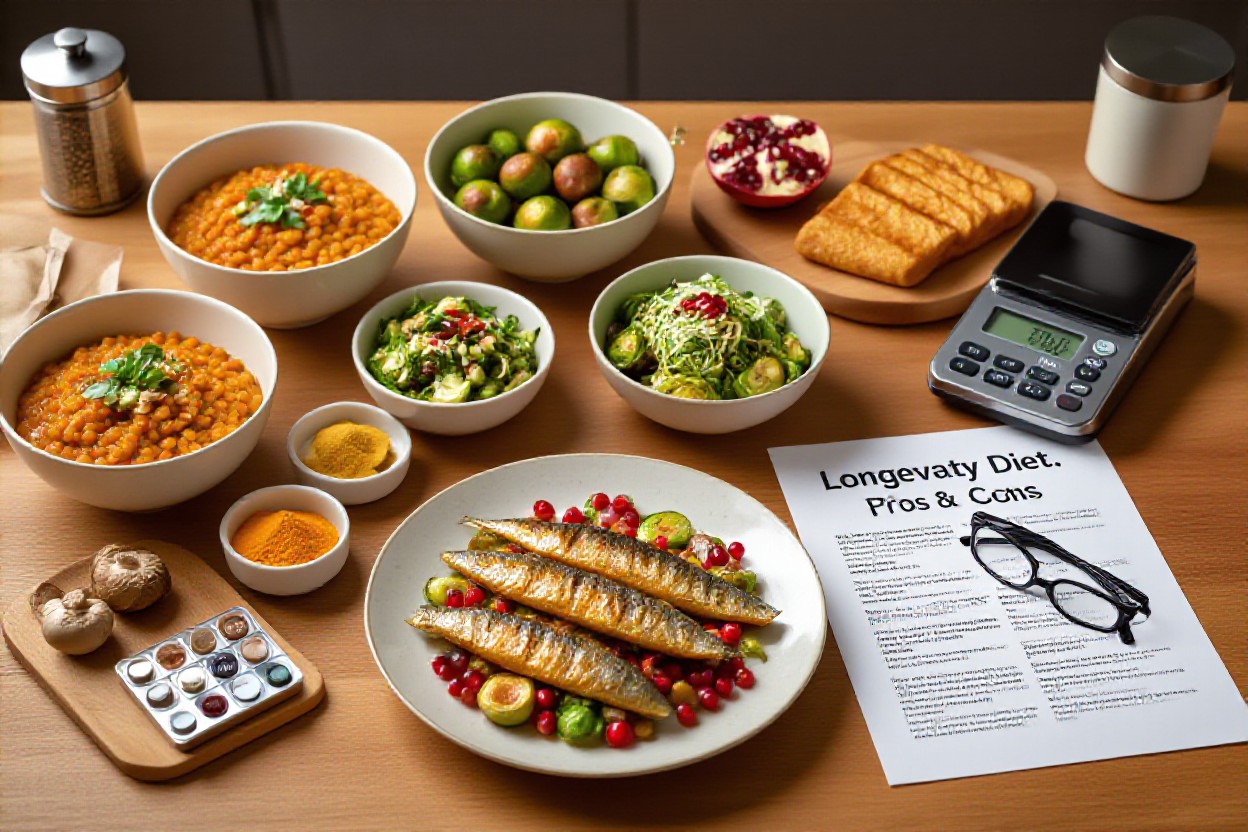
The Pros and Cons of Longevity Diets
Longevity diets can absolutely stack the odds in your favor, but they also come with trade-offs you really want to know about before you overhaul your plate. Some perks show up fast, like better energy and digestion, while others (like lower cancer risk) play out over decades. At the same time, strict rules, social friction, or nutrient gaps can quietly creep in. So you’re not just asking, “Does this work?” You’re asking, “Does this work for my real life?”
| Pros | Cons |
|---|---|
| Higher fiber, polyphenols, and omega-3s can lower cardiovascular risk by 20-30% in long-term studies. | Over-restriction of calories or food groups can trigger fatigue, low mood, or disordered eating patterns. |
| Steady blood sugar from low-glycemic foods supports better focus and fewer afternoon crashes. | Social situations get awkward when your plan feels too rigid for restaurants, travel, or family meals. |
| Plant-heavy patterns like the Mediterranean diet are linked to better cognitive function into your 70s and 80s. | Cutting out animal foods completely without planning can lead to low B12, iron, or omega-3 levels. |
| Healthy aging diets often reduce chronic inflammation, which shows up as less joint pain and better recovery. | Specialty products, organic produce, or supplements can push your grocery budget way higher. |
| Habit-based eating (like a daily bean or berry habit) makes healthy choices almost automatic over time. | Constantly tracking macros, fasting windows, or “clean” foods can become mentally exhausting. |
| Many people report better sleep quality when they stop eating late and focus on lighter evening meals. | Some fasting or low-carb protocols may conflict with medications for diabetes, blood pressure, or thyroid. |
| Certain longevity patterns support a healthier gut microbiome, which can influence mood and immunity. | Rapid weight loss from aggressive changes can lead to muscle loss if protein and strength work are ignored. |
| Clear guidelines can simplify choices, reducing decision fatigue around what to eat each day. | Following influencers or trends instead of evidence can steer you into unsustainable or unsafe extremes. |
| Building rituals around meals (like slow, shared lunches) supports not just lifespan but life satisfaction. | One-size-fits-all plans rarely account for your genetics, culture, or personal health history. |
| When done well, longevity diets can help you maintain strength, mobility, and independence longer. | It’s easy to ignore early warning signs (hair loss, low libido, irregular cycles) until issues get bigger. |
What’s Great About Them
You get this powerful combo of science-backed benefits and everyday wins: better energy, smoother digestion, and tighter blood sugar control, all from mostly boring, unsexy foods like beans, greens, nuts, and olive oil. Long-running studies in Okinawa, Sardinia, and Loma Linda show people eating this way can see 30-50% lower rates of heart disease and certain cancers. And the wild part? You don’t need perfection. Even shifting 20-30% of your weekly meals toward this style can start nudging your health markers in the right direction.
Are There Downsides?
Some downsides quietly sneak in when you push longevity eating too hard or too fast, especially if you’re copying a trend instead of tailoring it to your life. You might notice social tension, low energy, or weird symptoms like hair shedding if you slash calories or food groups overnight. Certain versions can clash with meds or pre-existing conditions, so you really want a plan that respects your lab work, your schedule, and your sanity. The goal isn’t to live forever on salad, it’s to actually enjoy the extra years you’re aiming for.
When you zoom in on the downside side of the equation, what stands out is how often the problem isn’t the concept, it’s the execution. If you jump into 18-hour fasts while juggling kids, shift work, and intense workouts, your cortisol can spike, sleep quality tanks, and suddenly you’re wired-tired with 3 p.m. cravings you can’t control. Drop carbs too low without mapping in enough fiber and resistant starch, and your gut bugs let you know pretty fast with constipation or bloating. And if you go ultra-low calorie for months, you can lose lean muscle, your thyroid output may dip, and your body quietly adapts to doing more on less. So you want to watch early warning signs like stalled strength gains, persistent brain fog, low libido, or an irregular cycle, because those are your body’s way of saying, “This version of longevity eating is not working for you.”
The Real Deal About Functional Foods
What Are They and Why Should You Care?
With grocery stores now labeling everything as “functional,” you might wonder what actually matters for your long-term health. Functional foods are regular foods that pull double duty: they feed you and also deliver targeted benefits like better blood sugar, sharper focus, or stronger bones. You see this in action with fermented foods that upgrade your gut microbiome or omega-3 rich fish that support your heart. If you want to go deeper, this guide on How Diet Impacts Longevity: The Best Foods for a Longer … breaks down how these choices stack up over decades.
Top Functional Foods to Consider
Right now, you’re seeing a surge of interest in things like kefir, tempeh, and sprouted grains, and it’s not just wellness hype. These foods are loaded with probiotics, prebiotic fibers, and bioactive compounds that help your cells handle stress better as you age. Think of fatty fish like salmon, sardines, or trout for omega-3s that cut cardiovascular risk by up to 30%, or berries that pack anthocyanins linked to slower cognitive decline in older adults. Even simple upgrades – like swapping white rice for quinoa or adding a tablespoon of ground flaxseed to your breakfast – can nudge your inflammation and cholesterol markers in a better direction over time.
When you zoom in a bit closer, some functional foods really punch above their weight. For example, regular yogurt with live cultures has been linked to improved bone density in people over 60, and fermented soy like miso or natto brings vitamin K2, which helps keep calcium in your bones instead of your arteries, which is pretty important if you want to stay active in your 70s and beyond. Then you’ve got green tea, where 2-3 cups a day have been associated with lower all-cause mortality in large Japanese cohort studies, thanks to catechins that help tame oxidative damage. And you can’t ignore alliums like garlic and onions, which contain sulfur compounds tied to better blood pressure control and immune resilience. Point is, when you stack a few of these foods into your daily rotation instead of chasing one magical superfood, you create a steady, quiet upgrade to how your body ages – and that steady upgrade is what adds up.
Final Words
Now if aging well is on your mind, why not let your plate do some of the heavy lifting for you? When you lean into functional foods – colorful plants, healthy fats, fermented goodies, quality protein – you’re basically giving your body a cheat code for better energy, sharper thinking, and smoother aging.
You don’t have to eat perfectly, you just have to eat a little more intentionally, more often. Because every small tweak to your daily meals quietly stacks the odds in your favor.
