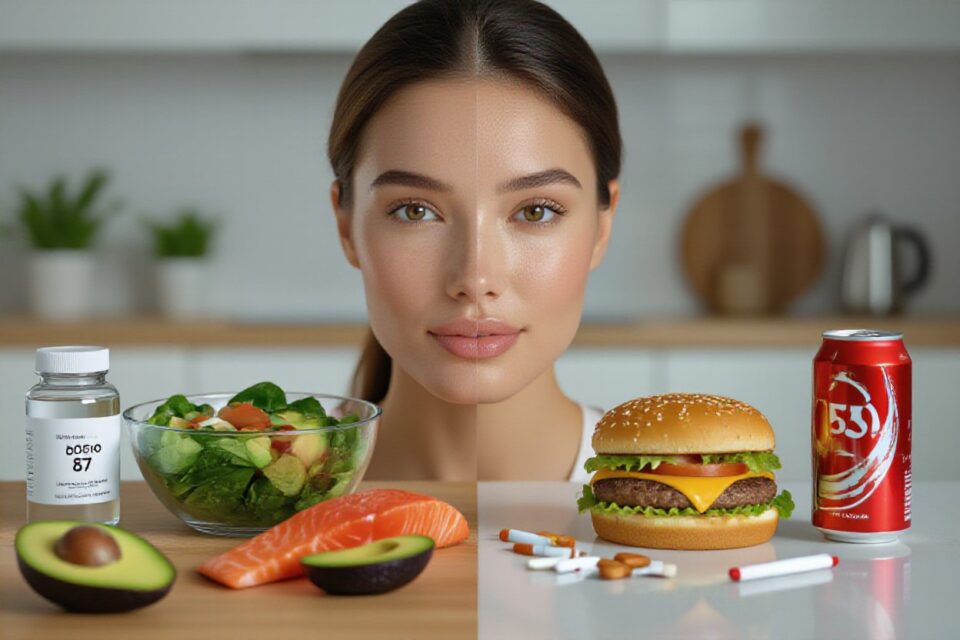
Most skincare routines start with serums and fancy creams, but in 2026, your real glow-up is happening in your kitchen, not just your bathroom shelf. When you dial in what you eat, your skin can go from dull and fussy to that lit-from-within look everyone keeps asking about, and it’s not magic – it’s science you can actually use.
You’re about to see how smart nutrition can calm breakouts, boost collagen, and protect you from early aging and serious UV damage, just by tweaking your plate. And yes, what you sip all day matters too, because your daily habits can quietly become your skin’s biggest risk or strongest defense.
What’s the Deal with Skin Nutrition?
Imagine catching your reflection on a random Tuesday and your skin just looks… tired, even though your routine’s on point. That gap between what you put on your face and how your skin actually behaves is where skin nutrition comes in. What you eat literally builds your collagen, your moisture barrier, your glow, and even how fast you bounce back from breakouts, as covered in Diving into Beauty From Within. Your plate is basically your long-term skincare subscription.
Types of Nutrients Your Skin Loves
You’ve got this whole squad of nutrients quietly running your skin behind the scenes, from antioxidants fighting off pollution damage to omega-3 fats keeping your barrier from freaking out every time the weather shifts. Protein builds collagen, vitamin C supports firmness, and zinc helps calm breakouts that show up at the worst possible time. Knowing how these work together helps you tweak your meals like you’d tweak a skincare routine.
- Antioxidants
- Omega-3 fatty acids
- Protein
- Vitamin C
- Zinc
| Nutrient | Skin Benefit |
| Antioxidants | Help reduce oxidative stress and visible dullness from UV and pollution |
| Omega-3s | Support a smoother barrier and can ease redness in as little as 8-12 weeks |
| Protein | Provides amino acids your body uses to build collagen and repair micro-damage |
| Vitamin C | Works with collagen enzymes and can brighten uneven tone with consistent intake |
| Zinc | Supports wound healing and helps regulate oil activity in breakout-prone skin |
The Role of Hydration – Seriously, Don’t Skip This!
Your skin will tell on you the day after you’ve lived on coffee, salty snacks, and like two sips of water. Hydration isn’t just about chugging 8 glasses; about 20-30% of your daily water comes from food, so things like cucumber, berries, and broth-based soups actually show up on your face. Even a mild 1-2% drop in body water can make skin look duller and fine lines more obvious in clinical imaging. Knowing you can hydrate from the inside out means you can pair water, electrolytes, and water-rich foods for skin that stays bouncy longer, not just for a selfie.
On a deeper level, consistent hydration supports nutrient delivery to your skin cells and helps your lymphatic system clear waste that would otherwise hang around and make you look puffy and blah. People who keep a steady fluid intake (not just once-a-day water guilt chugging) tend to show better elasticity scores and less roughness under dermal scanners, even if their topical routine is basic. And if you’re training hard, flying a lot, or living in heated or air-conditioned spaces all year, you’re losing extra moisture through your skin without feeling outright thirsty. Keeping an eye on light-yellow urine, sipping steadily through the day, and adding things like coconut water or electrolyte powders when you sweat a lot can quietly become one of your highest-impact, low-effort skin habits.
What Works? My Go-To Tips for Radiant Skin
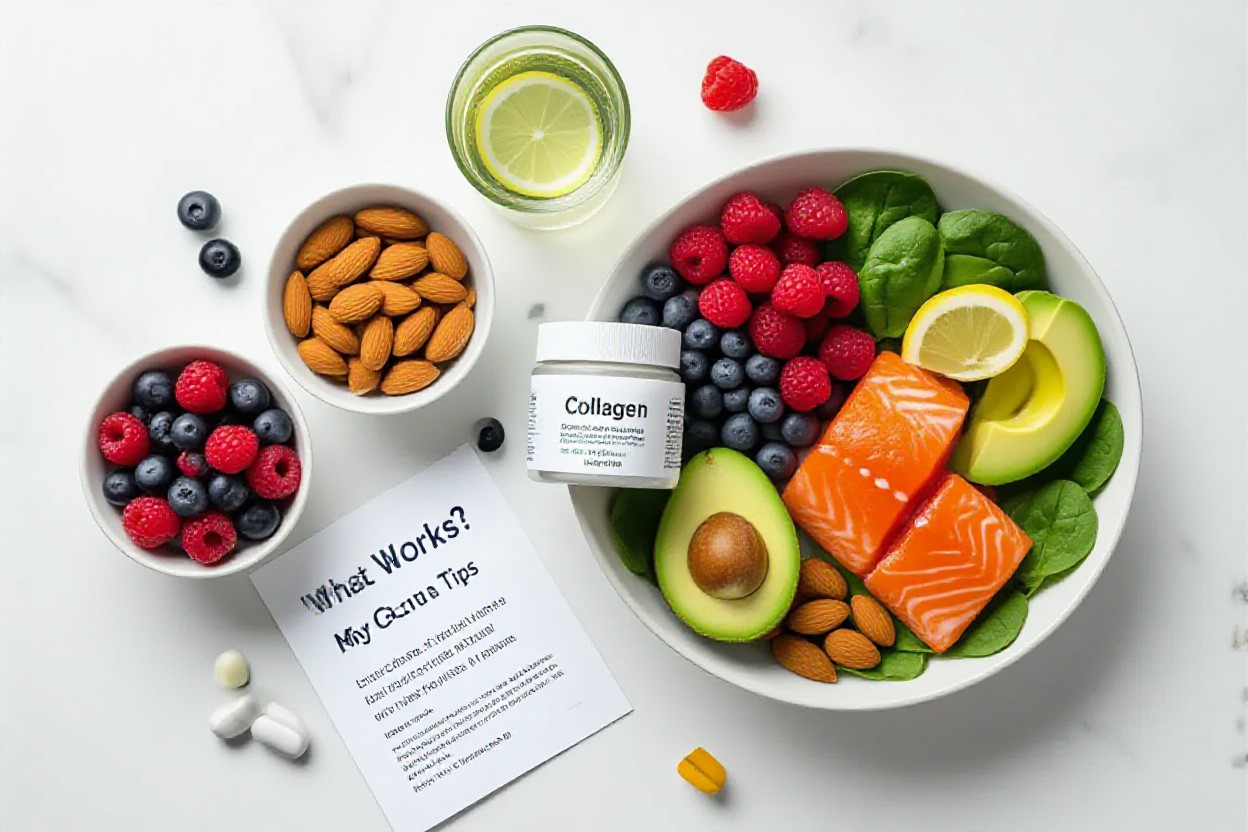
Some habits nibble at your glow, others flip the switch on your skin in weeks, so you want to double down on the ones that actually move the needle. Load your plate with colorful plants, prioritize omega-3 fats, and keep added sugar low to calm inflammation that silently roughs up your collagen. Hydrate smarter with electrolytes, not just plain water, and use a daily protein target so your skin can rebuild, not just survive. Recognizing how inside-out habits like Inside-out beauty: the new nutritional frontier shape your long game gives you way more power than any single cream.
- Load 50% of your plate with veggies and fruit at most meals
- Hit 1.2-1.6 g protein per kg of body weight daily
- Include omega-3 rich foods like salmon or chia 3-4 times a week
- Cap added sugar at roughly 25 g per day to support collagen
- Use a daily SPF, even when you’re inside, to protect all that inner work
Foods That Actually Make a Difference
While trendy powders come and go, your everyday staples like berries, tomatoes, leafy greens, olive oil and fatty fish quietly do the heavy lifting for your skin. You get vitamin C for collagen, lycopene to help buffer UV stress, and omega-3s that can reduce inflammatory skin flare ups by up to 30% in some small trials, which is huge when your face is the scoreboard. Recognizing that your grocery cart is basically a long term skincare subscription keeps you way more consistent than any 7 day challenge.
Supplements – Yay or Nay?
Same way you use concealer instead of a full repaint, you want supplements to fill gaps, not replace your whole nutrition strategy, so you start with labs and lifestyle first. Smart picks like vitamin D, omega-3s, targeted probiotics and a low iron multivitamin can help when blood work or diet logs show you actually need them, not just because TikTok said so. Recognizing that some “beauty pills” are basically expensive placebos with shiny labels saves your wallet and your expectations.
When you zoom in on the supplement question, what really matters is context, dose, and timing, not hype. For example, 1-2 g of marine collagen peptides with vitamin C has modest but real data for improving skin elasticity after 8-12 weeks, while megadoses of biotin can quietly mess with lab tests for thyroid and heart issues, which most people never get told. You might genuinely benefit from 1000-2000 IU of vitamin D if your blood levels sit under 30 ng/mL, or from 250-500 mg EPA+DHA if you rarely eat fish, but taking ten random beauty supplements together just bloats your routine and can spike interactions. Recognizing that a short, well chosen supplement list tailored to your labs and diet beats a chaotic “skin stack” every single time keeps you focused on what actually works.
Step-by-Step: How to Build Your Skin-Friendly Diet
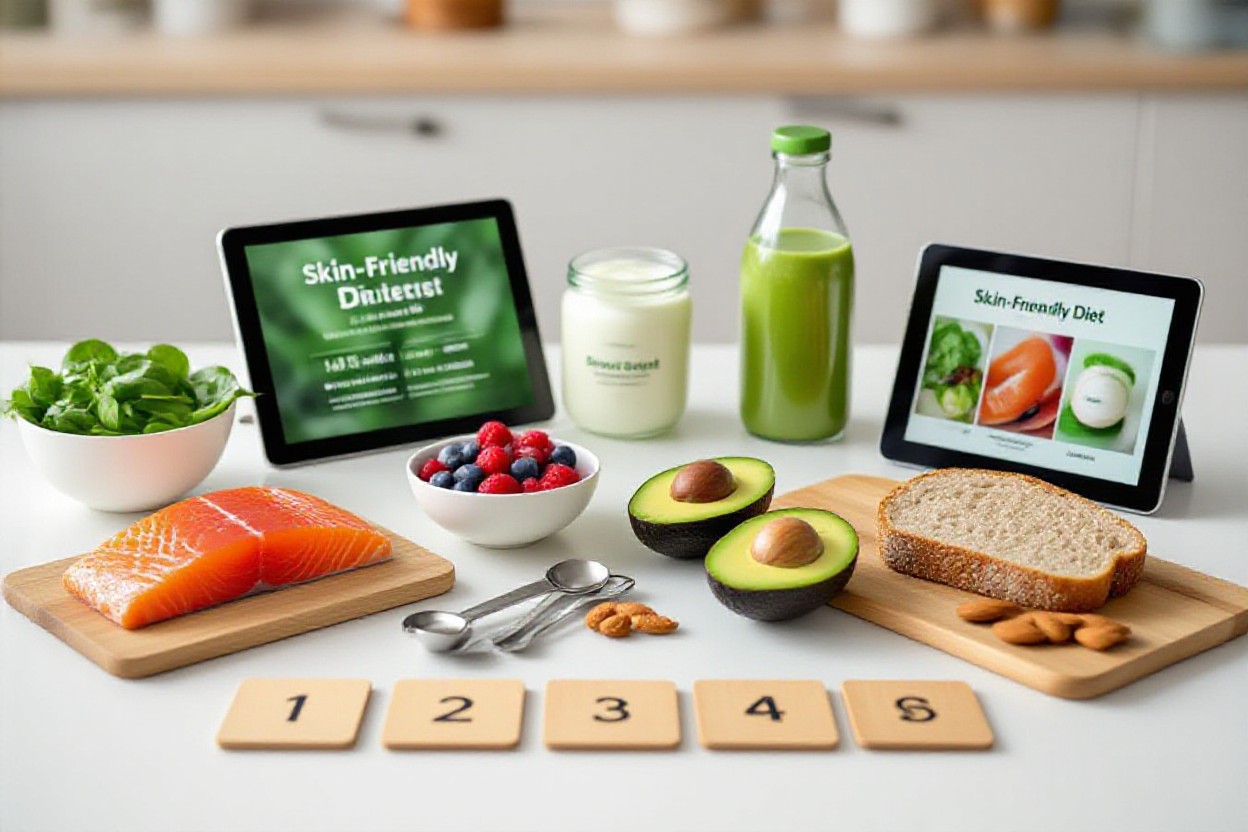
| Step-by-Step: How to Build Your Skin-Friendly Diet |
Instead of obsessing over single “miracle” foods, you build skin-friendly eating like stacking skincare layers: start with daily hydration (about 2 liters), then add color from at least 3 different veggies, some omega-3s, and low-glycemic carbs. You aim for about 20-30 g protein per meal to support collagen, pair vitamin C foods with iron sources for better absorption, and keep ultra-processed snacks under 10% of your daily calories for calmer, clearer skin. |
Meal Prep Ideas for Skin Health
Some weeks your meals either help your skin or totally work against it, so you treat prep like a little glow-up project. You batch-cook salmon or tofu, roast a big tray of carrots, broccoli, and sweet potato, and pre-wash leafy greens so you can throw together skin-friendly bowls in under 5 minutes. You stash chia pudding, berries, and nut mixes for quick snacks, which keeps your blood sugar steadier and your breakouts way less angry.
Simple Recipes That are Delish and Nutritious
When recipes hit that sweet spot of lazy-friendly and glow-boosting, you actually stick with them, right. You throw together a Greek yogurt bowl with berries, ground flax, and a drizzle of honey, or a 10-minute quinoa salad with avocado, cherry tomatoes, and olive oil that feeds your skin with fiber, healthy fats, and antioxidants. You keep it simple but powerful so your plate quietly supports smoother texture and a more even tone.
Think of these simple recipes like your everyday tee that somehow always looks good, because they quietly load your skin with what it craves. A quick lentil and tomato soup gives you zinc, polyphenols, and about 15 grams of protein per bowl, while a sheet-pan mix of salmon, olive oil, and rainbow veggies delivers omega-3s, vitamin C, and carotenoids in one go. You rotate 4 or 5 go-to meals so you don’t get bored, and those consistent nutrients give you more stable oil production, fewer dullness days, and a complexion that bounces back faster after late nights and stress.
Factors That Can Mess with Your Skin
Over 50% of people in urban areas report sudden flare-ups when stress, pollution, and poor sleep pile up, so your skin isn’t just being dramatic, it’s reacting to stacked triggers like ultra-processed foods, blue light at midnight, and junky air from traffic or indoor cleaning sprays. Studies on Beauty from within: How functional foods are blurring … even show how gut-disrupting additives can dull your glow. Thou should start seeing your face as a daily report card on these hidden habits.
- Chronic stress spikes cortisol and inflammation
- Polluted air and smoke load your skin with free radicals
- Ultra-processed foods and sugar fuel breakouts
- Lack of sleep wrecks overnight skin repair
- Harsh cleansers strip your barrier microbiome
Stress – Why It Matters More Than You Think
About 70% of people with acne or eczema report flare-ups right after a stressful week, because high cortisol makes your oil glands go into overdrive, slows collagen production, and even messes with your gut bugs along the way. You feel wired, your sleep tanks, and suddenly your skin is red, tight, and breaking out in places you never used to. Thou can snack on magnesium-rich foods and keep caffeine in check to stop stress from hijacking your face.
Environment – Are You Breathing in Toxins?
Studies show people living in cities with high PM2.5 pollution have up to 25% more pigment spots and fine lines, and that grime isn’t just floating in the air, it’s sticking to your skin all day long. Every commute, candle, or cigarette adds a bit more oxidative stress, quietly chipping away at your collagen and barrier. Thou need antioxidant-rich foods and smart cleansing to offset the junk you can’t avoid breathing.
Daily life hits your skin from every angle: traffic exhaust, office air conditioning, scented cleaners, even that cozy scented candle that seems harmless. Tiny particles like PM2.5 and nitrogen dioxide can sneak into pores, trigger oxidative stress, and switch on enzymes that literally chew through your collagen, which is why city dwellers often show signs of aging earlier than rural folks. If your face feels tight or grimy by 5 p.m., that’s your barrier yelling about low humidity and indoor pollutants drying out your natural lipids, so you want plenty of vitamin C, vitamin E, and polyphenols from berries, green tea, and leafy greens riding shotgun in your bloodstream while you go about your day. Thou stack the odds in your favor when you pair that inside-out antioxidant support with a gentle cleanse at night instead of scrubbing your barrier into oblivion.
Pros and Cons of Skincare from the Inside Out
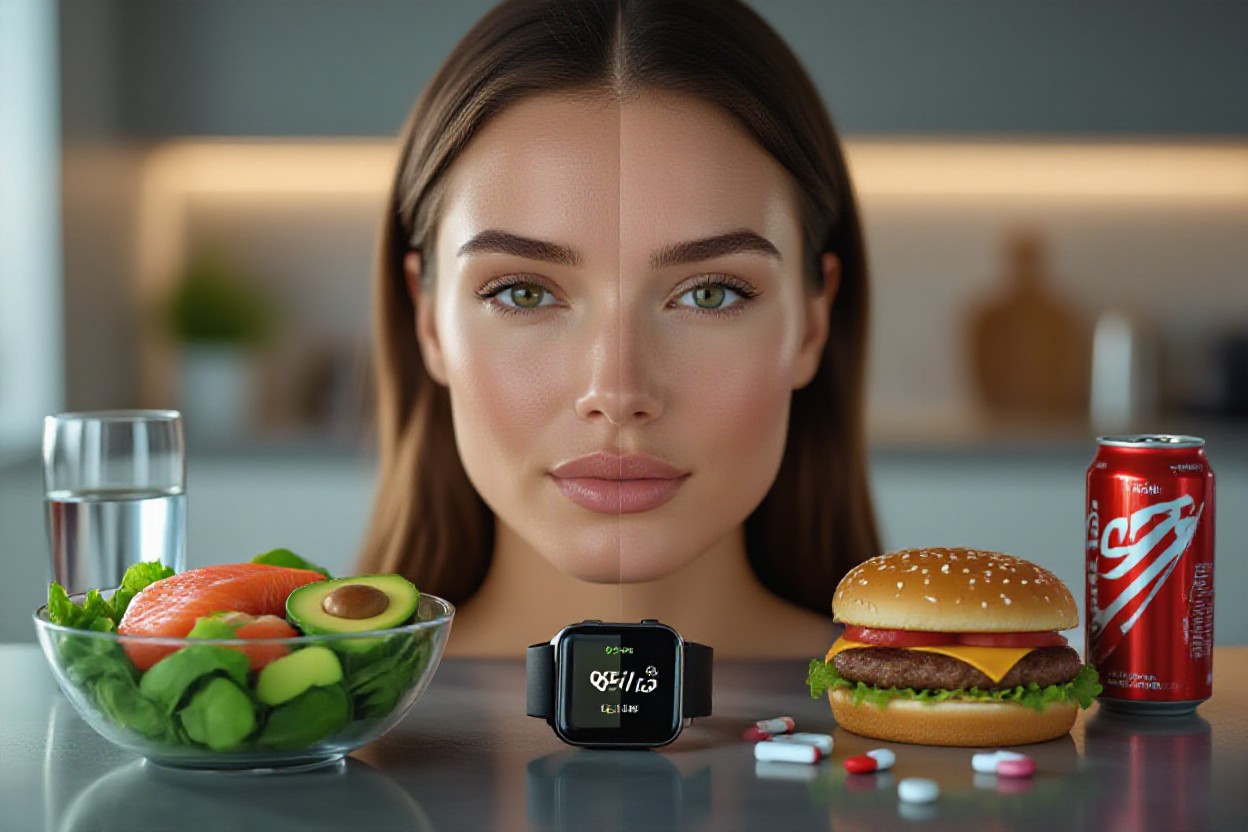
You know that moment you catch your reflection in a window after a week of good sleep, better meals, less sugar… and your skin just looks different? That glow isn’t magic, it’s your internal routine showing up on your face. But like anything, inside-out skincare has upsides and some pretty annoying downsides, especially when you’re tempted by 3-day “glow reset” kits and viral supplement stacks that promise you the world.
| Pros | Cons |
|---|---|
| More stable results because nutrition impacts collagen, sebum balance and inflammation at the root. | Changes can be slow – it often takes 6-12 weeks to see visible skin improvements. |
| One habit (like eating 7-10 servings of plants daily) supports skin, gut, hormones and energy at once. | Over-supplementing vitamin A, E or zinc can trigger dryness, nausea or even liver stress. |
| Improved blood sugar control from less ultra-processed food can reduce glycation and fine lines. | Tracking macros, micros and timing can feel like a part-time job you never applied for. |
| Balanced omega-3 intake may calm acne and redness in 8-12 weeks in some small trials. | High-dose fish oil or random gummies can interact with meds or thin your blood. |
| Better protein (around 1.2-1.6 g/kg) supports firmer skin, nail strength and hair growth together. | Protein obsession without fiber leaves you bloated, constipated and your skin can still look dull. |
| Antioxidant-rich foods can help buffer pollution and UV stress for more resilient skin. | Depending on pricey powders/greens drinks can drain your wallet faster than they help your face. |
| Hydrating foods (cucumber, berries, soups) quietly back up your water intake for plumper skin. | Chugging water alone while ignoring electrolytes can make you pee constantly with zero glow. |
| Food-first routines lower reliance on harsh topical routines that strip your barrier. | Using diet alone for serious acne, rosacea or melasma can delay needed medical treatment. |
| Habits like earlier dinners and less alcohol help your overnight repair cycles go smoother. | Social life can feel awkward when you’re always “the one” skipping drinks or late-night snacks. |
| Small daily upgrades stack up, so your 2026 skin can outperform your 2016 skin at any age. | All-or-nothing thinking (“perfect” eating) can trigger guilt, stress and yes, more breakouts. |
The Good News About Eating Right
On the bright side, you don’t need a lab-grade diet to see changes – even swapping just one sugary snack for protein and fiber daily can lower insulin spikes that fuel oiliness and breakouts. Studies in 2025 tracked people who simply hit 25-30 g of fiber and 8 cups of water a day and saw smoother texture in 8 weeks, proving that small boring habits often beat fancy serums and 14-step routines.
The Not-So-Great Side of Quick Fixes
What really trips you up are those “14-day glow detox” kits that flood your feed, loaded with mystery blends and heroic promises. You might see a tiny short-term change from water weight dropping, but your skin barrier, hormones and gut bacteria pay the price when you slam your body with laxative teas or 5 different supplements at once. And the worst part: you start chasing the next fix instead of building habits that actually stick.
When you get pulled into that quick-fix spiral, you stop trusting your own body and start trusting labels instead. You grab collagen coffee, then a “beauty elixir”, then a hair-skin-nails capsule that quietly doubles your biotin and vitamin A, and suddenly your bloodwork looks off while your breakouts still show up on schedule. You bounce between restriction and binge weekends, your gut gets irritated, and your skin reflects that chaos with flare-ups, random rashes, more sensitivity to products you used to tolerate. Over time, those intense swings in calories, sugar and supplements basically confuse the signals your skin relies on to repair at night, so what should be a gentle upward trend turns into a choppy rollercoaster that leaves you tired, frustrated and way more skeptical than you need to be.
My Take on the Best Practices for Lasting Skin Health
Your skin will age slower if your daily habits are boringly consistent instead of occasionally perfect. Aim for 25-30 grams of protein per meal so your body actually has the amino acids to build collagen, then back it up with 75-100 mg of vitamin C from real food – think kiwi, bell peppers, strawberries. You don’t need 20 supplements, but you do need 1.5-2 liters of water, SPF 30 every single day, 7-8 hours of sleep, and under 30 grams of added sugar most days.
What really pays off long term is stacking tiny choices: swapping that 3 pm sugary drink for green tea with 50-100 mg EGCG, adding 1 tablespoon of ground flax or chia for extra omega-3s, eating colorful plants at least twice a day. And if you want one non-negotiable, here it is:
Protect your collagen at all costs – with sunscreen, antioxidants, and lower sugar – then let your nutrition quietly do the rest.
Summing up
Hence, with studies showing diets rich in antioxidants can cut visible skin aging by up to 20%, you can see your plate is basically your skincare routine in 2026. When you lean into colorful plants, quality protein, healthy fats, and plenty of water, you give your skin the raw materials it needs to repair, glow, and age slower… all from the inside out.
