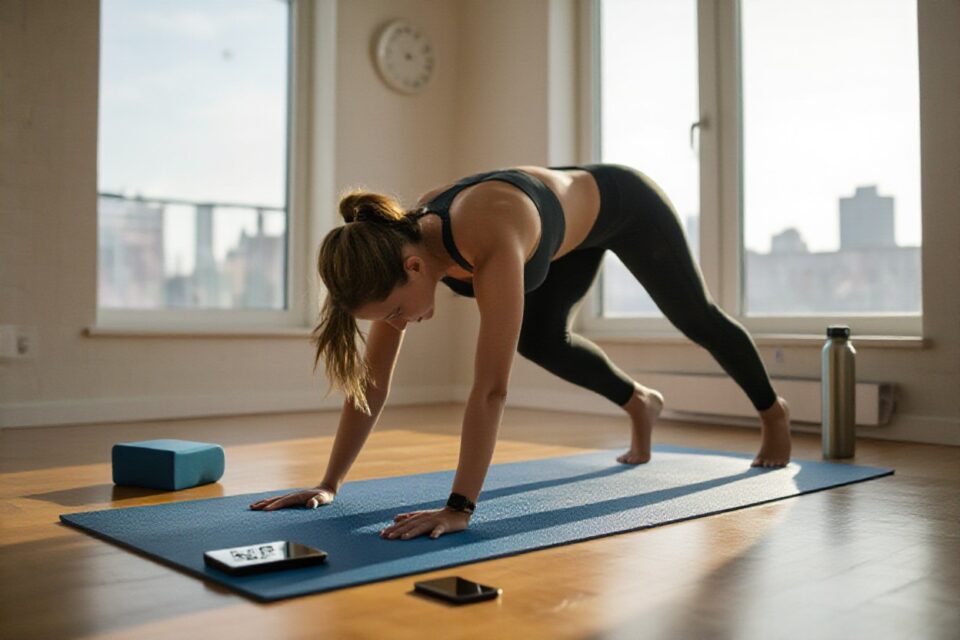
Just picture this – you’ve got a packed day, your phone’s buzzing, and you’re thinking, “There’s no way I can squeeze in yoga today.” But you actually can. With capsule yoga classes, you slip into a 10-15 minute focused flow, reset your brain, loosen up your neck and shoulders, then hop right back into your day without feeling like you’ve derailed your whole schedule.
You get to build consistency without burnout, which is huge if you’re juggling work, family, and everything else. And the best part is, you can do these short sessions anywhere – tiny apartment, office, even next to your bed – so your yoga practice finally fits your real life, not the other way around.
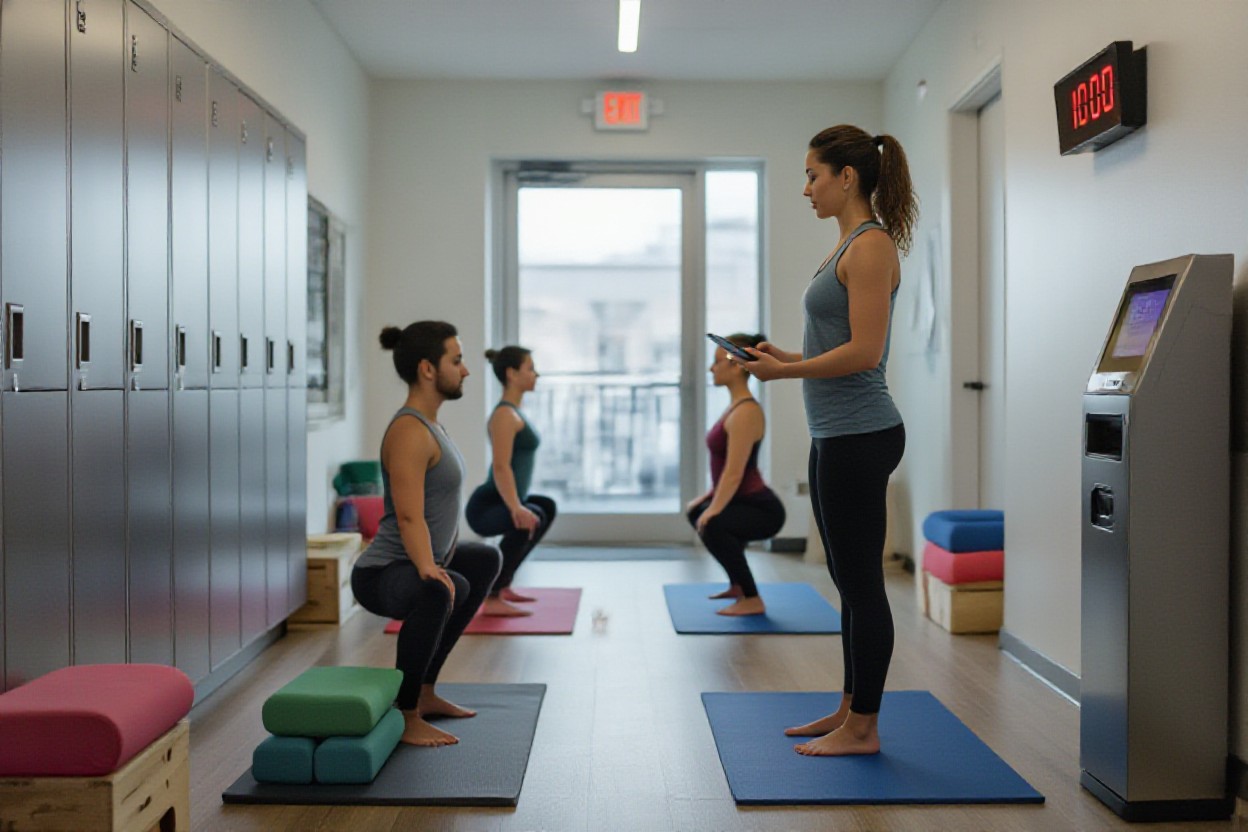
What’s the Deal with Capsule Yoga Classes?
People often think yoga has to be a full 60-minute production, but capsule classes flip that on its head with focused 10-20 minute sessions that fit into your actual life. You stack specific goals – like 5 minutes of breathwork, 8 minutes of hip openers, 7 minutes of core – and suddenly you’ve got a tailored mini-practice that still feels legit. Instead of one long routine, you build a toolbox of short, targeted flows you can plug in before a meeting, after a run, or right before bed when your brain won’t shut up.
Why They’re Perfect for Busy Bees
Most people say they “don’t have time for yoga” but you scroll your phone for 20 minutes without blinking, so time isn’t the real problem. Capsule classes slide into those tiny gaps – the 15 minutes before a Zoom call, the 12 minutes while dinner’s in the oven, that random break between tasks – and turn them into legit reset moments. You keep your nervous system from hitting burnout, your body from locking up at your desk, and your practice from being all-or-nothing all week.
My Take on the Benefits of Short Sessions
A lot of people assume shorter sessions are “less effective”, but your body cares way more about consistency than duration. When you hit a few 10-15 minute practices across the week, your joints stay happier, your back complains less, and your stress levels stop yo-yoing so hard. You’re basically trading one giant, intimidating workout for a bunch of simple, doable wins that your brain is way more likely to say yes to.
What really blows my mind is how quickly your body responds when you stop treating yoga like a weekly event and make it a daily touchpoint instead. You might do 12 minutes of gentle twists before bed and notice you fall asleep 20 minutes faster, or use a 7-minute standing flow at 3 p.m. and suddenly that neck tension you thought was “just normal” actually backs off.
Over a month, those tiny pockets of practice add up big time – 4 short sessions a week is easily 40-60 minutes of real, focused work, without the drama of carving out a full hour. And because the sessions are shorter, you tend to bring more attention, fewer excuses, and way less dread to the mat. That shift right there – from “ugh, I should” to “yeah, I can do 10 minutes” – is where your practice quietly starts changing your whole day instead of just your hamstrings.
How to Get Started with Capsule Yoga
One day you blink and realize it’s 8:45 pm, you’ve crushed emails and errands, but your body feels like a stiff board… that’s exactly when a 10-minute capsule class saves you. You start simple: pick a platform, roll out a mat (or just a rug), and try a single short class, nothing fancy. Keep the bar low on purpose so your brain doesn’t freak out. The goal at the beginning is just this: show up for a tiny chunk of time, consistently, and let the habit grow from there.
Picking the Right Class for You
Think of it like picking a playlist: you filter by time, level, and vibe. If you sit all day, choose 10-minute hip openers or desk-release flows, not advanced arm balances. Newer to yoga? Stick with “gentle”, “beginner”, or “slow flow” in the title. On days you’re wired and stressed, search for “nervous system reset” or “evening wind down”. You want classes that feel like they match your actual energy, not the imaginary superhero version of you.
Setting a Realistic Schedule
Imagine you only commit to 3 capsule sessions a week, like Monday, Wednesday, Friday, at 7:10 am, right after brushing your teeth. That tiny anchor makes it easier to follow through. You’re not chasing a perfect streak, you’re building a repeatable pattern. Start with 5 to 15 minutes, max, and let extra sessions be a bonus, not a rule.
Most people try to go from zero to daily 60-minute flows and then wonder why they crash out after week one, so you flip it. You decide on the bare-minimum schedule that feels almost too easy: maybe 2 short classes on workdays and 1 longer Sunday stretch, total time like 45 minutes across the whole week. Tie it to existing habits – coffee brewing, kids’ bedtime, lunch break – so it slides into your day instead of fighting for space. Track it in a simple way (notes app, wall calendar, or a habit tracker) and celebrate streaks of 3, 5, 7 days, because those tiny wins are what actually keep you coming back.
Tips for Making the Most of Your Time
Lately you see 10-minute yoga clips trending everywhere, and the people who actually grow from them treat each one like a focused little mission. Stack your mat, blocks, and strap in a ready-to-go corner so you can drop into practice fast, use a simple sequence plan (warm up, one focus pose, short cooldown), and track how often you show up, not how long you stay. This Balanced Yoga Schedule for Busy Brooklyn Lifestyles gives you a smart template, and This tiny bit of structure protects your progress from getting steamrolled by your calendar.
- Prep a dedicated, clutter-free yoga corner so you can start in under 60 seconds.
- Use a short written micro-routine (3-5 poses) instead of scrolling for videos.
- Set a simple timer so you stop clock-watching mid-pose.
- Track sessions completed per week as your main consistency metric.
- Anchor practice right after an existing habit, like your morning coffee or lunch.
Seriously, Don’t Overthink It!
Social feeds are full of hyper-curated home studios, but your body literally doesn’t care if you practice beside the laundry basket. Open your mat, pick 3 poses, add 5 slow breaths, and call it your capsule flow for the day. You can loop in the same mini-sequence all week and still build real strength and mobility. This habit of pressing play on something simple stops perfectionism from quietly becoming your biggest excuse.
Adding Mindfulness to Your Sessions
More studios are weaving short mindfulness breaks into 15-minute classes, and you can steal that trick at home in seconds. Try counting exactly 10 breaths in child’s pose, notice where your feet grip the mat in warrior 2, or name 3 sounds you hear in savasana. You only need 2-3 tiny check-ins to shift from autopilot to present, grounded attention. This is how your quick sessions stop feeling rushed and start feeling like an actual reset.
On a practical level, you might anchor mindfulness to specific moves: first inhale of cat-cow is where you scan your spine, first forward fold is where you notice your hamstrings at a 1-to-10 stretch intensity, first twist is where you track your breath speed like data. Over a month of these mini experiments, you’ll notice patterns, like how late-afternoon sessions make your heart rate drop faster or how 5 counted exhales calm your racing thoughts more than chaturanga ever has. This kind of low-key self-study turns your mat into a personal lab, which quietly upgrades every short class into mind-body training, not just exercise.

Factors That Make Capsule Yoga Work for You
Capsule yoga clicks when it fits your real life, not some fantasy schedule. You thrive when sessions match your energy, so shorter flows help you stay consistent, dodge all-or-nothing thinking and avoid injury from overdoing it. Tiny-proof your routine with time-boxed 15-30 minute practices, or stack two if you’ve got more space. Curious what that looks like week-to-week? Check out Yoga for Busy People and Busy Days 20 classes of 30-35 … to see how a full program is built around your schedule. The more you adapt yoga to your life, the more your body actually changes.
- Consistency over intensity keeps you progressing
- Short, focused sessions stop overwhelm and procrastination
- Flexible scheduling lets you plug classes into real-life gaps
Your Goals Matter!
You get way more out of capsule classes when you tie each short session to a clear goal like easing lower back pain, building core strength, or calming anxiety before bed. Instead of chasing random flows, you pick focused 15-30 minute practices that move one needle at a time so progress actually feels trackable, not fuzzy. The cool part is you can rotate themes across the week, which keeps it interesting while still nudging you toward your bigger vision.
How Your Environment Plays a Role
Your space can either make yoga effortless or a total headache, and with capsule classes that matters even more because you don’t have time for setup drama. When your mat is visible, your gear is nearby and your phone is on do not disturb, you slip into practice in under 60 seconds instead of scrolling for 20 minutes. The fewer steps between you and the mat, the more your brain reads yoga as the easy option, not another chore.
Think about it like this: if you’ve got a mat always rolled out by your bed, a small basket with blocks and a strap, and a quiet-ish corner where you won’t trip over toys or laundry, you’ve basically removed 80% of your excuses before they even show up. Some people even use the same lamp, playlist, or candle every time so their brain goes “oh, we’re doing yoga now” on autopilot, which is wild but also super effective. And if noise is an issue – thin walls, roommates, kids – noise-cancelling headphones or even a white noise app can turn a chaotic apartment into a mini studio without you needing a fancy room renovation.
Why I Think Consistency is Key
With all the 7-day yoga challenges popping up on YouTube, you start to see a pattern: the people who stick with 10 to 15 minutes a day for a month feel stronger than those who crush a single 90-minute class once a week. You build muscle memory, your nervous system chills out faster, and your mat starts to feel like a familiar place, not an event. Consistency turns your practice from a “sometimes habit” into something that quietly shapes how you move, breathe, and handle stress all day.
Small Steps Lead to Big Changes
In one study on habit formation, researchers found it took people an average of 66 days for a new routine to feel automatic, and that totally lines up with what you feel when you show up for quick daily sessions. Five minutes of hip openers before bed or a 12-minute morning flow might not look impressive on paper, but stack that up for 8 weeks and your balance, focus, and flexibility tell a different story. Small, repeatable wins keep you in the game long enough to see those big shifts.
Finding Your Rhythm
Lately you see more yoga apps asking you to pick a “streak goal”, and that’s basically you designing your own rhythm instead of forcing a perfect schedule that never lasts. Maybe you hit a 15-minute capsule class every weekday and let weekends stay flexible, or you pair a 7-minute stretch with your nightly skincare routine so it’s tied to something you already do. The trick is matching your practice to your natural energy spikes – early birds do better before email, night owls might prefer unwinding at 9 pm. When your rhythm fits your real life, consistency stops feeling like a chore and starts feeling like your favorite part of the day.
On a deeper level, your rhythm is basically the pattern that your brain and body can rely on without a fight, and that reliability is what makes capsule yoga so sticky long term. You might notice you focus better if you move right after coffee, or that your back pain eases fastest when you sneak in two 8-minute sessions instead of one long one. Over a few weeks, you start to experiment: shifting days, swapping morning for lunchtime, testing 5-minute mobility snacks between Zoom calls until you find the combo that clicks. Once that pattern settles in, your practice becomes almost automatic, like brushing your teeth, which means you keep showing up even on those “I’m too tired” days – and that consistency is exactly where the real progress hides.
What About Equipment? You Don’t Need Much!
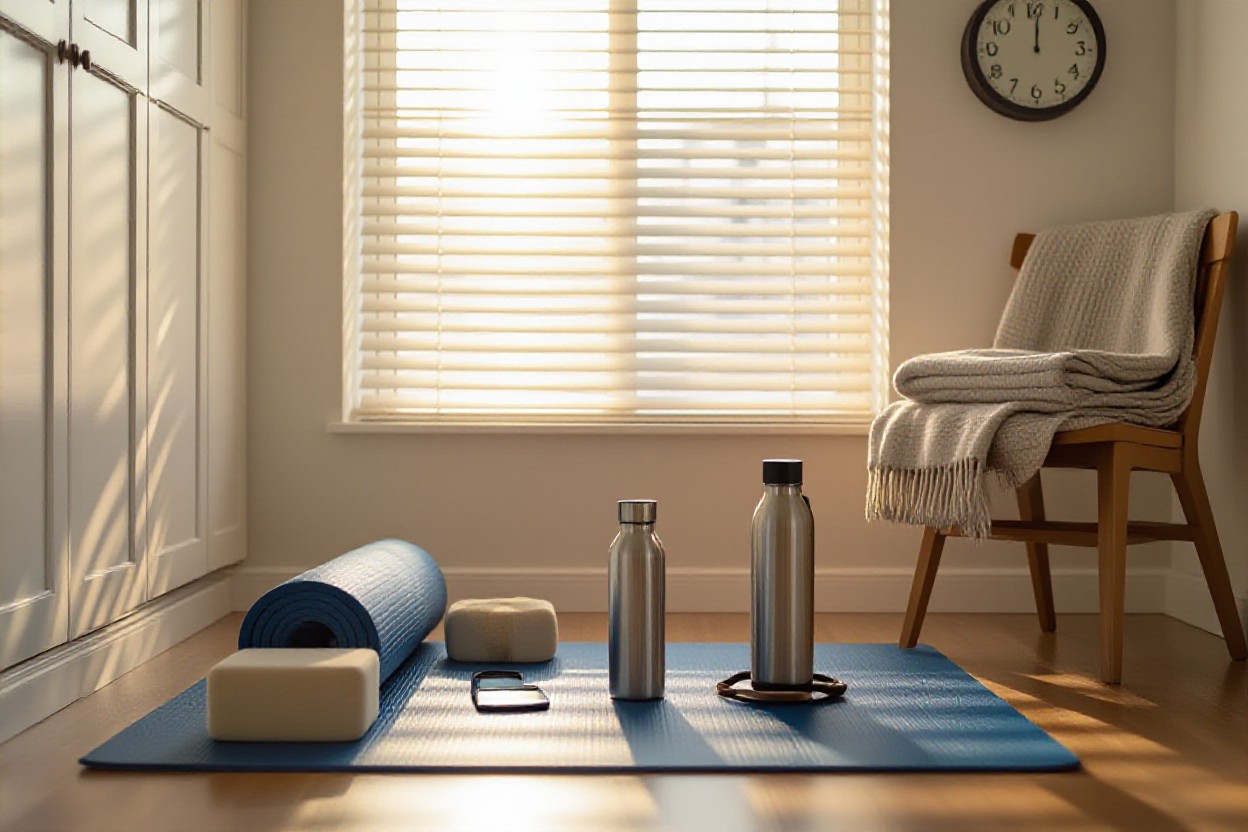
You might love hearing this first: your capsule yoga habit can live happily with almost no gear at all, which is exactly why it works in a tiny office, hotel room or that weird space between your bed and the wall. A simple mat, some floor space, your body, and you’re in business. If you want more ideas on fitting yoga into real life, check out How Can You Incorporate Yoga into Your Busy Schedule? for extra strategies that actually play nice with tight routines.
The Bare Essentials
You probably already own 80% of what you need, which is wild when you think about it. A non-slip mat (even a basic $15 one), comfy clothes you can squat in, and a small clear floor area give you everything required for safe capsule sessions. A folded towel turns into a yoga blanket, a sturdy chair becomes a prop, and stacked books can totally pinch-hit for blocks when you’re easing into deeper hip or hamstring work.
When to Go High-Tech
Some days, plugging into tech upgrades your 10-minute flow way more than adding another pose ever would. If you like tracking things, a smartwatch or fitness tracker can log heart rate, streaks, and recovery so you actually see how consistent 3 short sessions per week really are, and that feedback keeps you showing up.
Then you’ve got smart mats, yoga apps with 5-minute targeted routines, and Bluetooth speakers that make your space feel like a mini studio, even if you’re squeezed between a desk and laundry basket. Once you’re juggling multiple goals – maybe mobility, strength and stress relief – an app can schedule specific sessions on specific days, so you’re not wasting time wondering what to do. And if motivation dips, live or recorded online classes with real teachers give you structure, gentle accountability, plus clear cues that keep your alignments safe when you’re moving fast in short bursts.
Final Words
Studies show that even 10 minutes of movement can boost your mood and focus, so following this you can trust that your quick capsule yoga sessions really do count. You’ve seen how these short classes fit into your lunch break, between meetings, or right before bed, and that flexibility is exactly what keeps your practice alive when life gets wild.
The big win is simple: you don’t have to wait for the “perfect” hour-long class to take care of your body and mind.
FAQ
Q: What exactly are capsule yoga classes and how do they work?
A: Capsule yoga classes are super short, tightly focused yoga sessions, usually 10-25 minutes, designed so you can actually fit them into a real, busy life. Instead of a long, all-in-one class, you get little “capsules” that target one clear purpose, like “Wake Up Flow”, “Desk Reset”, or “Sleep Wind-Down”.
Most capsule classes follow a simple pattern: a quick centering, a focused sequence, and a short closing to help your nervous system settle. You stack them when you have more time or just do one when your schedule is packed. The whole idea is to remove excuses and make yoga feel doable, not like another big thing on your to-do list.
Q: Can short capsule classes actually give real benefits, or do I need full 60-minute sessions?
A: Short answer: yes, they absolutely can help your body and mind in a very real way. Yoga benefits come from consistency, not perfection, and a 15-minute practice you do 4-5 times a week will beat a 60-minute class you bail on every other week.
Even in 10-20 minutes, you can loosen up tight hips and shoulders, improve breathing, reduce stress, and reset your posture after sitting all day. Think of capsule classes like brushing your teeth for your nervous system – small, regular sessions add up hugely over time. If you ever get extra time, you can stack a couple of capsules together and it feels like a full class anyway.
Q: How do I fit capsule yoga into a packed schedule without it stressing me out more?
A: The trick is to treat yoga like a non-negotiable little pause, not a project you have to plan perfectly. Start by choosing 1-2 anchor moments in your day: right after you wake up, during a mid-day break, or before bedtime. Then pair a specific capsule with each moment, like “Morning Wake Up Flow” or “After Work Uncurl From Desk”.
Keep your mat somewhere visible so you don’t have to set up a full scene every time. Use a timer or calendar reminder if your days blur together. And give yourself permission to show up even if you’re tired or grumpy or distracted – those are usually the days the short practice helps the most.
Q: What kinds of capsule yoga sessions are best for different times of day?
A: Different times call for totally different vibes, so it helps to match the style to your energy. In the morning, go for gentle but energizing flows: light twists, some standing poses, a bit of core, maybe a few sun salutes if that feels good. You’re basically telling your body, “Ok, we’re on now.”
Mid-day, focus on desk-reset capsules: shoulder openers, hip releases, neck and wrist relief, and a bit of breathwork to shift you out of “staring at screens” mode. Evening is perfect for slow, grounding sessions: longer holds, supported forward folds, legs up the wall, soft hip stretches, and relaxing breath to help you downshift from hustle to rest.
Q: Do I need yoga experience or fancy gear to start capsule yoga?
A: You really don’t. If you can sit, stand, breathe, and move a little, you can start. For absolute beginners, pick capsules labeled “gentle”, “beginner”, or “foundations” so you’re not thrown into fast sequences right away. Go slow, pause when you need, and if a pose feels sketchy or painful, skip it or modify.
As for gear, a basic mat and some kind of props are enough. A yoga block can be replaced with a sturdy book, a strap with a belt or towel, and a bolster with a firm cushion or folded blanket. Over time, if you fall in love with the habit, you can upgrade your tools, but you don’t need a Pinterest-perfect setup to get actual benefits.
Q: How many capsule classes should I do each week to see results?
A: Think about frequency more than intensity or length. A really solid starting point is 3 capsule classes a week, around 15-20 minutes each. Once that feels normal, bump it to 4 or 5 shorter sessions. Some people like one longer “stack day” where they do 2-3 capsules in a row.
Results show up in different ways: better sleep, less stiffness, a calmer brain, maybe less back or neck pain. The key is to stay consistent for at least 3-4 weeks before you judge it. If you miss a day, you just pick up the next one, no drama, no “starting over” narrative.
Q: How can I build a simple weekly routine using capsule yoga classes?
A: Start with a tiny, realistic plan you can actually do, even on chaotic weeks. For example: Monday, Wednesday, Friday – 15-minute morning energizing capsule. Tuesday, Thursday – 10-minute desk reset in the afternoon. One weekend day – stack two capsules, like a 20-minute flow + 10-minute deep stretch.
Think of it like a menu you can mix and match from, not a rigid contract. Some weeks you’ll stick to the script, some weeks you’ll swap morning for evening, some weeks you’ll just do one little capsule and that’s it. That’s normal. The real win is that yoga stops being a “special event” and starts being a regular part of your everyday life.
