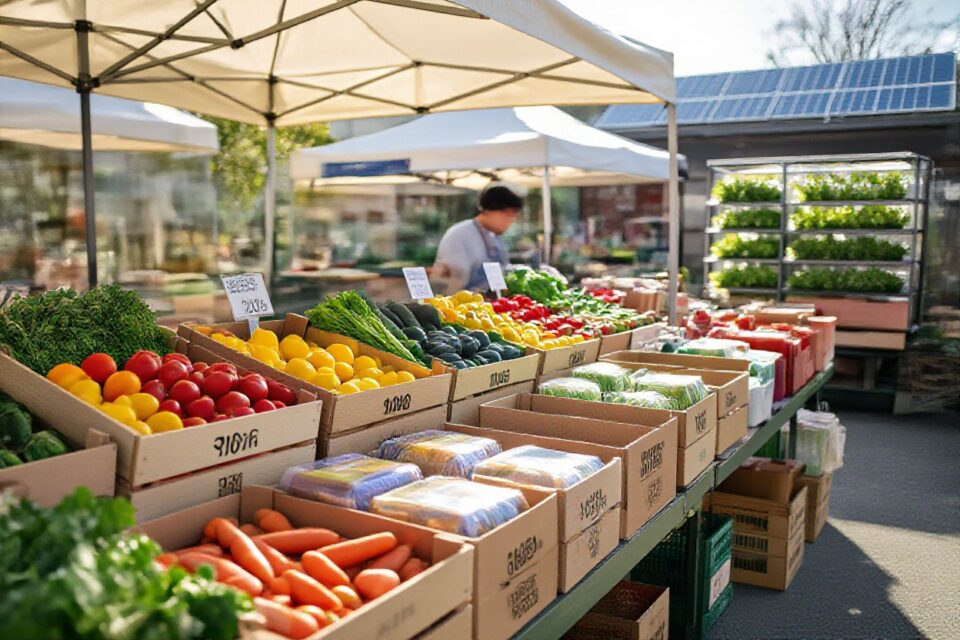
Food choices shape your future more than you think, so what if your next meal could quietly support a healthier planet and fairer food system at the same time? In this guide, you’ll see how your daily habits can shift from random to intentional, cutting hidden environmental damage while still letting you eat stuff you actually enjoy.
You’ll explore how to spot greenwashing on labels, support farms that treat workers right, and shrink your personal carbon footprint without going broke or hungry. One small tweak at a time – that’s how your plate becomes a powerful vote for 2026 and beyond.
What’s All the Buzz About Sustainable Eating?
Most people think sustainable eating is just about buying organic, but you know it’s way bigger than that. You’re talking about how your daily food choices affect climate, water, animals, and workers, all in one go. When you swap one beef burger for a bean-based option even twice a week, you can cut food-related emissions by up to 10 percent a year without feeling like you’re on some extreme diet. It’s less about perfection and way more about steady, realistic shifts you can actually stick with.
Understanding Sustainability in Food
A lot of folks assume sustainability means expensive, niche products, but you can build a sustainable plate with supermarket basics. You focus on foods that use fewer resources: legumes that use up to 10 times less water than beef, seasonal produce that doesn’t need energy-heavy greenhouses, and grains grown without wrecking the soil. Even choosing ugly produce or frozen veggies helps cut the 30 percent of food wasted globally. So your grocery list quietly becomes a tool for climate action, not just a list of ingredients.
The Importance of Ethical Food Choices
Plenty of people think ethical food is just about animal welfare, but your choices hit human lives too. You support or reject systems where farm workers earn under $2 a day, where kids pick cocoa, where factory-farmed animals never see daylight. When you buy Fairtrade coffee, pasture-raised eggs, or certified seafood, you’re not just easing your conscience, you’re shifting demand toward producers who invest in safer conditions and lower-impact farming. That tiny label on your snack? It quietly signals what kind of world you’re willing to fund.
Digging a bit deeper, you can see how ethical choices ripple out in weirdly powerful ways. Swapping to Fairtrade chocolate, for example, has helped some West African co-ops boost farmer incomes by 30 percent, which means kids stay in school instead of on plantations. Choosing higher welfare meat (or eating meat less often) cuts antibiotic overuse that fuels drug-resistant bacteria, which comes right back to your hospital bill one day. And when you back brands that publish full supply chain audits, you’re basically voting for transparency in an industry that prefers shadows. It’s not about being perfect – it’s about letting your grocery cart quietly pull the system in a better direction.
My Take on Different Types of Sustainable Foods
|
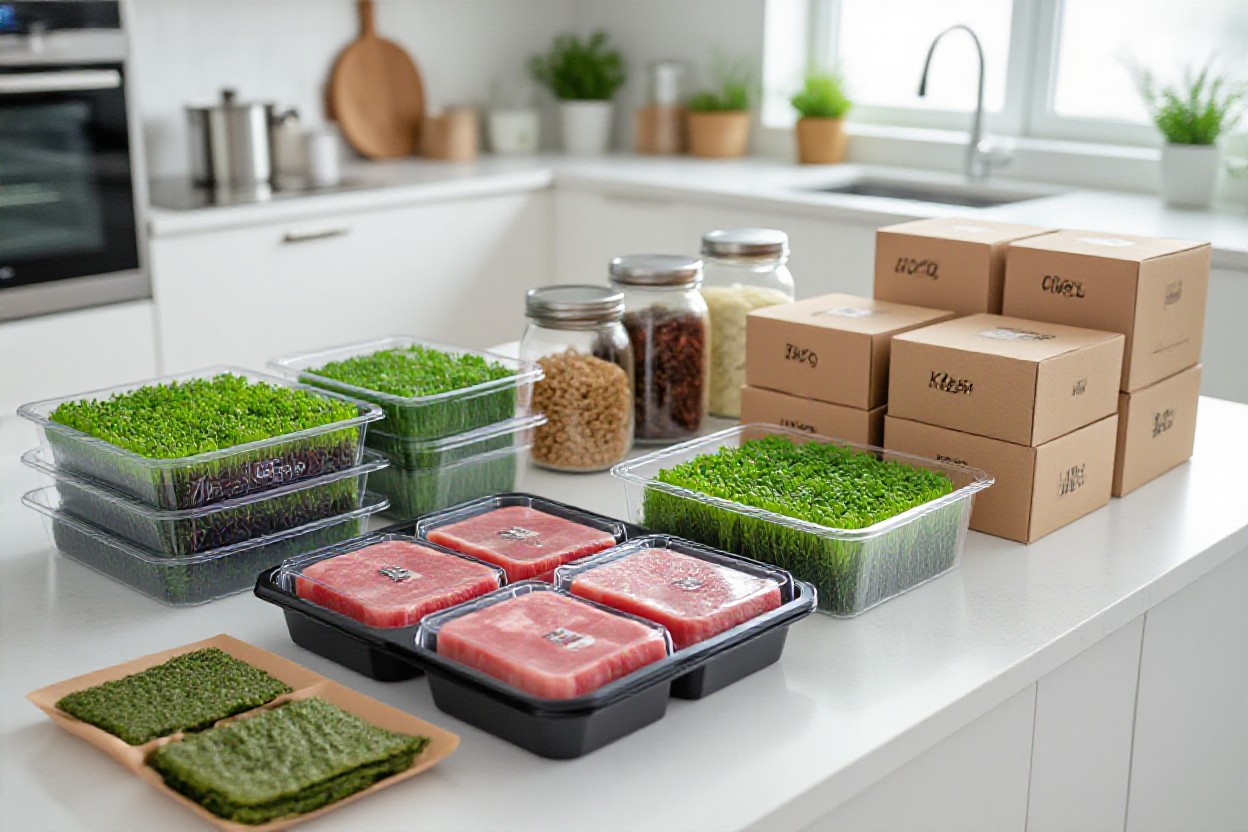
After seeing Whole Foods roll out 2026 sustainability badges, you probably noticed how many labels now shout about regenerative, plant-based, and upcycled foods. I tend to prioritize simple stuff: whole plants, low-packaging pantry staples, and brands sharing real data, not fluffy marketing. Knowing you can skim reports like Whole Foods Market: Will Food Trends be Sustainable in … helps you back your values with every bite. |
|
|
Global 2025 data shows regenerative grains can boost soil organic carbon by 15 percent in a few seasons, which is why you see more breads bragging about soil health. I love when you swap just one refined item for a regenerative one, like crackers or oats. Knowing your pantry can quietly double as a climate project feels oddly satisfying, right? |
|
|
Retail data shows plant-based proteins jumped past 15 percent of the protein market in some cities, and you feel that everywhere from fast-casual bowls to frozen aisles. When you build your meals around beans, lentils, tofu, or tempeh, you typically cut your food footprint in half compared with beef-centric plates. Knowing you can still eat hearty burgers, just made from plants, makes the shift way less scary. |
|
|
Food waste startups in 2026 are turning upcycled ingredients like spent grain and surplus fruit into crackers, chips, and even spirits, and you barely taste the difference. Every time you grab one of those instead of a conventional snack, you support companies rescuing literal tons of food from landfill. Knowing 8 to 10 percent of global emissions come from wasted food gives those snack choices real weight. |
|
|
More brands now publish impact reports with water use, emissions, and worker data right on QR codes, so you can actually verify the story behind your chocolate or coffee. I tend to reward companies that share imperfect numbers over those with perfect-sounding slogans. Knowing your grocery cart nudges the market toward honest transparency might be one of the most underrated forms of climate activism you have. |
|
Local vs. Global: What’s Better?
Farmers markets near you probably highlight that your local food can travel under 50 miles, which slashes transport emissions and keeps money in your community. But some global foods like ship-transported beans or grains can still be lower-impact than local hothouse tomatoes grown with heavy heating. Knowing you should compare growing methods, not just distance on a map, helps you balance local pride with global impact.
Organic vs. Conventional: Is It Worth It?
European studies show organic farms can host up to 30 percent more biodiversity, which directly affects your pollinators, soil life, and long-term yields. On the flip side, conventional farming often wins on short-term yield and lower sticker prices, which matters when your budget’s tight. Knowing you can mix strategies, like choosing organic for thin-skinned fruits and conventional for staples, gives you impact without financial whiplash.
Digging deeper into this, you see that organic systems typically use crop rotations, compost, and fewer synthetic pesticides, which means your soil acts like a better sponge for carbon and water, especially in drought years. But yield gaps of 10 to 20 percent in some regions can push farmers toward conventional inputs when markets get unpredictable or when you’re demanding rock-bottom prices at checkout. Some big 2024 meta-analyses even showed that when conventional farms adopt integrated pest management and precision fertilizer, their footprint starts to inch closer to organic, at least per kilogram of food. Knowing you can support both sides improving – by buying from farmers who share actual practice details, not just a logo – keeps the conversation focused on real outcomes instead of label wars.
Seriously, Here Are Some Quick Tips for Eating Sustainably
- Shift 2-3 meals a week to plant-based and you cut food emissions by up to 20% without feeling like you moved to a tofu monastery.
- Buy seasonal, local produce where you can, because tomatoes grown 50 km away usually beat those flown 5,000 km in both taste and footprint.
- Prioritize whole foods over ultra-processed snacks and your cart quietly sheds packaging, palm oil, and mystery ingredients all at once.
- Use a simple “eat me first” box in your fridge to slash food waste, which globally accounts for about 8-10% of greenhouse gases.
- Thou can treat every meal as a tiny vote for the kind of food system you actually want to live with in 2026 and beyond.
Shopping Smart: What to Look For
Studies show over 60% of your food footprint is decided in the 20 minutes you spend at the store, so your cart is basically your climate ballot. You want short, clear ingredient lists, trusted certifications like organic, Fairtrade, MSC, or local eco-labels, and packaging you can actually recycle instead of just feeling guilty about. Go heavy on seasonal, ugly, and bulk items because they usually mean less waste, fewer hidden costs, and more real food for your money.
Meal Planning Like a Pro
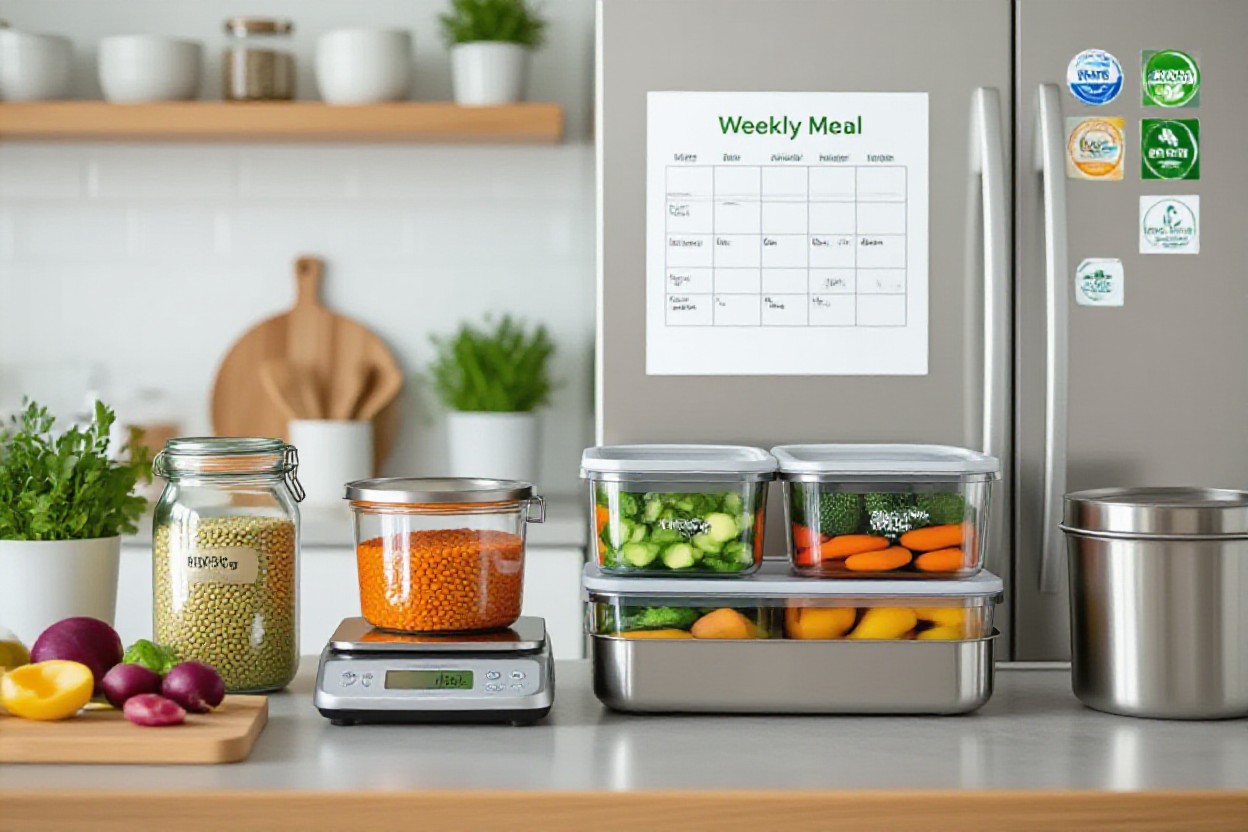
Based on multiple waste audits, households that plan meals cut food waste by up to 30%, which is basically money and emissions you stop throwing in the bin. You start with what you already have, plan 3-5 flexible dinners, and build a tiny shopping list around that instead of winging it when you’re hungry. Add one or two “lazy night” backup meals like frozen veg and beans, and suddenly you’re skipping impulse takeout that usually comes with plastic, emissions, and regret.
When you really get into meal planning, you stop treating recipes like strict rules and more like frameworks that bend around your actual life. You might batch-cook a big pot of lentil bolognese on Sunday, eat it twice with pasta, then repurpose the rest in stuffed peppers or on top of a baked potato so nothing quietly molds in the back of the fridge. Because you’re reusing the same core ingredients across 2-3 dishes, you buy less random stuff, cooking gets faster, and your weekly shop shrinks without feeling like some hardcore eco challenge. And if you keep a running note in your phone of 8-10 go-to meals you genuinely love, you’ve basically built your own tiny, sustainable menu that fits your routine instead of fighting it.
Need a Step-by-Step Guide? I’ve Got You!
| Making the Switch to Sustainable Eating |
Making the Switch to Sustainable EatingWith more apps letting you scan a product’s climate score in seconds, you can turn your next grocery run into a mini sustainability audit without stressing. Start by swapping just 3 items a week for lower-impact options, like shifting beef to lentils once or twice, choosing seasonal produce, and buying from farms within 150 km when you can. You’re not aiming for perfection here, you’re just stacking tiny changes that add up to a lighter footprint. |
| Crafting a Balanced and Ethical Plate |
Crafting a Balanced and Ethical PlateRight now, dietitians are buzzing about the Planetary Health Plate, which suggests roughly half your plate veggies and fruit, one quarter whole grains, one quarter proteins with most from plants. You can anchor your meal around chickpeas, tofu, or pasture-raised eggs, then layer in whole grains like quinoa or millet and bright, seasonal veg. It’s basically your normal plate, just nudged toward foods that are gentler on animals, farmers, and the climate. |
When you build that balanced and ethical plate in real life, you might start with something super simple, like a bowl that’s 50% roast veggies, 25% chewy whole grains, 25% mixed proteins such as beans plus a little certified higher-welfare chicken for flavor. You get a combo of fiber, slow-release carbs, and at least 20 grams of protein, which is what most sports nutrition guidelines suggest per meal, but you’re also backing producers who use less water, fewer antibiotics, and pay workers better. Add small details that matter more than they look on paper, like switching to olive or rapeseed oil instead of palm-heavy spreads, using nuts or seeds instead of ultra-processed toppings, and choosing Fairtrade chocolate when you want dessert, so your plate tells a story about your values without feeling preachy or extreme.
What Factors Should You Consider?
You probably weigh taste and price first, but your plate is also loaded with environmental impact, animal welfare, labor conditions, food miles, and nutritional value, plus how often you waste leftovers. Assume that every time you shop, you’re quietly voting for the kind of food system you want to exist in 2026.
- Environmental impact of what you eat and how it’s produced
- Nutritional value compared to ultra-processed alternatives
- Animal welfare and farming practices behind your protein
- Labor conditions for farmworkers and food-chain employees
- Food waste from your kitchen and long supply chains
Environmental Impact: Is It Really a Big Deal?
What shocks most people is that food alone already drives about one-third of global greenhouse gas emissions, and livestock accounts for roughly 14.5% of that. So when you swap even a couple beef-heavy dinners for plant-based meals, you’re cutting water use, land use, and pollution from fertilizer runoff in one simple move. Assume that every small tweak in your weekly menu quietly shrinks your personal climate footprint.
Nutritional Value: Does It Matter?
Plenty of foods marketed as “eco friendly” are still loaded with refined sugar, salt, and mystery oils, so your health can slide even while your ethics feel on point. When you build meals around whole grains, legumes, nuts, and a rainbow of vegetables, studies show you can cut heart disease risk by up to 30% and type 2 diabetes risk by about 20%. Assume that the most sustainable foods usually give your body the best long-term return too.
What catches a lot of people off guard is how closely your nutrient intake tracks with your environmental impact, because the foods that trash the planet often wreck your biomarkers too. So when you shift from daily processed meat to lentils, tofu, or chickpeas, you’re not just cutting saturated fat and bumping your fiber, you’re also dodging the extra antibiotics and additives that sneak into ultra-processed stuff. And if you keep your plate roughly half vegetables and fruit, a quarter whole grains, and a quarter protein (mostly plant-based), long-term cohort studies suggest lower rates of heart disease, stroke, and certain cancers, which is exactly the kind of longevity story your future self will be very into.
The Pros and Cons of Going Sustainable
Switching your plate to more sustainable options feels amazing, but it also nudges you into some uncomfortable trade-offs that you can’t just ignore. You get real wins for your health, the planet, and even community farmers, yet you might hit price spikes, limited options, or straight-up confusion with labels and certifications. This mix of benefits and headaches is exactly why your choices matter so much – because you’re not just eating, you’re quietly voting for the kind of food system you want to live in.
| Pros | Cons |
|---|---|
| Lower carbon footprint when you shift toward plants and local food, often cutting food-related emissions by up to 50%. | Higher upfront costs for organic, fair trade, or regenerative products that can bump your grocery bill by 10-25%. |
| Better health outcomes from more whole foods, with studies linking plant-rich diets to 20-30% lower heart disease risk. | Limited access if you live in a food desert where farmers markets or bulk stores just don’t exist nearby. |
| Support for local farmers when you buy seasonal produce at markets and CSAs, keeping more money in your community. | Time-intensive planning as you read labels, compare sources, and maybe cook from scratch more often. |
| Less food waste by planning meals, freezing leftovers, and using up scraps for stocks or sauces. | Label confusion around terms like “natural”, “cage-free”, or “eco-friendly” that don’t always mean much. |
| Ethical treatment of workers when you choose certifications that protect farm labor and supply chain workers. | Social pressure from friends or family who think you’re being picky, preachy, or “extra” about food. |
| Improved biodiversity by supporting polyculture, heirloom varieties, and regenerative farms. | Inconsistent availability of certain sustainable products depending on season and where you live. |
| Stronger food security long-term when your choices back resilient, soil-friendly farming. | Information overload as you juggle emissions data, animal welfare scores, and ingredient lists. |
| Greater personal alignment since your plate starts to match your values about animals and the planet. | Habit friction when takeout culture, office snacks, or travel food clash with how you want to eat. |
| Opportunity to experiment with new grains, legumes, and plant proteins that keep meals interesting. | Risk of guilt or burnout if you feel you have to be perfect with every single food choice. |
The Bright Side: Advantages of Ethical Eating
What starts as a small swap, like choosing oats over steak once a week, can slice your food emissions by around 30-40% across a year, which is wild for such a tiny habit shift. You also give your body more fiber, antioxidants, and healthy fats that support your gut and heart long term. Plus, when you funnel even part of your budget toward local farms or certified ethical brands, you quietly help reshape supply chains so companies notice what you actually want on your plate.
Real Talk: Challenges You Might Face
Pushing toward sustainable eating sounds heroic until you’re standing in a supermarket aisle at 7 pm trying to decode five different eco-labels while you’re starving. You might find your usual $80 grocery run creeping toward $95, your favorite snacks suddenly “off-limits”, and family rolling their eyes when you ask where the meat came from. And then there’s the mental load – trying to weigh plastic packaging vs food waste vs price vs animal welfare – it can feel like a part-time job some weeks.
Because real life isn’t a Pinterest board, your sustainable eating goals will clash with messy stuff like late work nights, tight paychecks, and zero decent options near your office. You might cave to fast food on hectic days or grab a cheap factory-farmed chicken because rent is due, and yeah, that can sting a bit. Social situations add another layer: maybe your cousin only grills bargain burgers, or your friend group loves bottomless wings, and you’re there quietly doing mental math on emissions and animal welfare while trying not to kill the vibe. The key thing is that sliding off track sometimes doesn’t cancel your progress, it just means you need systems that fit your actual life – like default go-to meals, a few trusted brands, and a personal rulebook that’s flexible enough you don’t burn out and quit altogether.
Conclusion
With these considerations you’re not just tweaking your grocery list, you’re quietly voting for the kind of food future you want to live in. When you lean into seasonal produce, fair labor, and smarter protein choices, you’re backing a system that respects people, animals, and the planet – even if it’s one small swap at a time.
If you ever doubt your impact, dig into Op-Ed | Freedom to Choose What to Eat-and the Power to … and you’ll see how your daily plate can punch way above its weight.
FAQ
Q: What does “sustainable eating” actually mean in 2026, beyond just buying organic?
A: In 2026, sustainable eating is less about fancy organic labels and way more about the whole story behind your food – how it was grown, who got paid, how far it traveled, and what it does to the planet after you toss the packaging. Organic can help, sure, but a local, non-organic carrot can still beat an organic avocado flown across the world in terms of impact.
Think of it as voting with your fork. Every meal is a choice about land use, water use, climate impact, and worker rights, all rolled into whatever’s on your plate.
The big twist: sometimes the “perfect” sustainable option doesn’t exist. So sustainable eating is more about better, not perfect – smaller portions of high-impact foods, more plants, less waste, and supporting producers who are trying to do the right thing, even if they aren’t flawless.
Q: Is eating less meat really that big of a deal for the planet in 2026?
A: Short answer: yeah, it still is. In 2026, livestock is still responsible for a chunky slice of global emissions, deforestation, and water use, even with all the tech and innovations in farming.
The surprising twist is you usually don’t need to go fully vegan to make a big difference. Cutting your meat intake in half, or shifting red meat to once-a-week “treat status”, can slash your food footprint in a serious way.
Think of plant-forward eating like a sliding scale. Maybe it’s meat at dinner only, maybe it’s plant-based lunches, maybe it’s just swapping beef for chicken or legumes most of the time. That kind of messy, flexible middle ground still helps a lot and is often way easier to stick with long-term.
Q: Are all plant-based products actually sustainable, or is some of it just marketing hype?
A: Not every plant-based product is a halo-wearing hero. In 2026, some ultra-processed “plant-based” foods are basically junk food with nicer branding and a pea protein label slapped on the front.
What really matters is the full picture: ingredients, sourcing, processing, packaging, and how often you eat it. A simple lentil stew or chickpea salad is usually way kinder to the planet than a heavily processed meat substitute shipped across continents in fancy plastic.
If you want a quick rule of thumb, go like this: plants that look more or less like they did when they grew out of the ground usually win. The more steps, machines, and unpronounceable ingredients between farm and fork, the less “automatically sustainable” it tends to be, even if the label screams PLANT-BASED in all caps.
Q: How can I make ethical food choices without blowing up my grocery budget?
A: The weird thing is, some of the most sustainable habits are actually the cheapest ones. Cooking at home more, buying fewer convenience foods, and wasting less can save a noticeable chunk of money.
Start with boring-but-powerful basics: beans, lentils, oats, seasonal veggies, frozen fruit, rice, eggs. These are the unsung heroes of budget-friendly, lower-impact eating, and you can do a lot with them if you’re willing to repeat meals a little and keep things simple.
Another big move is to focus on “better but less” for pricey ethical items. So instead of expensive free-range chicken three times a week, maybe it’s once a week paired with more plant protein. You still support better farming practices, but your wallet doesn’t hate you for it.
Q: Is local always better than imported when it comes to sustainability?
A: It feels intuitive to think “local is always better”, but in 2026 it’s not that black and white. Sometimes a tomato grown in a sunny country and shipped efficiently can have a smaller footprint than one grown locally in a heated greenhouse in winter.
Where local really shines is fresh, seasonal produce and shorter supply chains. That usually means less transport energy, fewer middlemen, and more money going to actual farmers instead of just logistics and marketing.
So a simple approach is: local and seasonal first, especially for fruits, veggies, eggs, and some dairy. For things that just don’t grow well where you live (coffee, bananas, spices), focus more on fair trade and certified ethical sourcing than on distance alone.
Q: How big of a problem is food waste, and what can I realistically do about it at home?
A: Food waste is quietly massive. Globally, we toss about a third of all food produced, and in 2026 that still translates into wasted water, land, energy, and a lot of methane from rotting food in landfills.
The nice part is that your kitchen is one of the places you can actually control quite a bit. Planning 3 to 4 “anchor” meals a week, sticking rough leftovers in a flexible “use me up” stir fry or soup, and getting comfortable freezing extra portions can cut your waste without feeling like a full-time job.
Another easy win is to stop obsessing over dates as if they were absolute rules. “Best before” is usually about quality, not safety, so use your senses. Smell it, look at it, taste a tiny bit. Your nose beats the label a lot of the time.
Q: What labels and certifications should I actually pay attention to for ethical food choices in 2026?
A: Food packaging in 2026 can look like a sticker explosion, so it’s no shock if it’s confusing. You don’t need to decode everything, but a few labels can be genuinely helpful shortcuts.
In many regions, things like Fairtrade, Rainforest Alliance, or similar worker-focused certifications can be a good sign for coffee, tea, chocolate, sugar, and some fruits. For animal products, look for labels that specify higher welfare standards, outdoor access, or pasture-based systems, not just vague “natural” wording.
For the environment side, certifications like organic, regenerative, or third-party sustainability standards can be helpful, but context matters. If you can, combine labels with common sense: local seasonal veg, whole foods, less meat, less waste. The label is just a tool, not the whole story.
