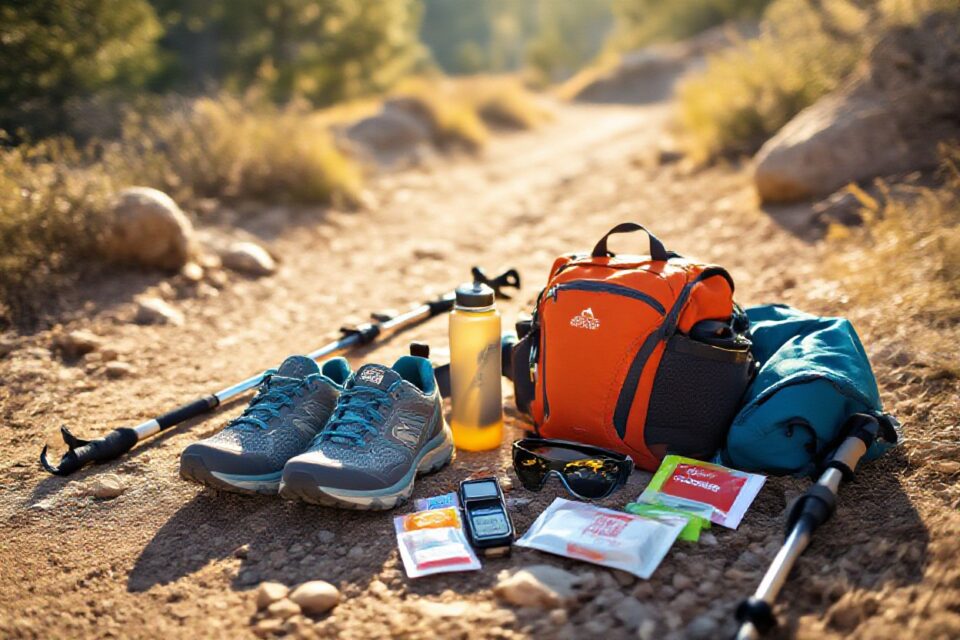
With road running you mostly worry about traffic and boring scenery, but once you hit the trails your gear suddenly matters a whole lot more. Out there it’s just you, the dirt, and whatever you decided to strap to your body – get it right and you feel like some kind of mountain ninja, get it wrong and you’re hobbling home with blisters and a bruised ego.
You’re about to dig into 10 pieces of trail gear that keep you upright, fast, and actually having fun out there, instead of wondering if that steep, rocky descent is how it all ends.
What Do You Seriously Need?
You want trail runs to feel like a wild adventure, not a survival test with blisters and soggy socks plotting your downfall. So you really just need a few reliable basics that keep your feet safe, your body comfy, and your focus on the dirt in front of you instead of the pain in your knees. Strip it back to what actually works, not what looks fancy on Instagram, and your runs get longer, happier, and way less dramatic.
Good Quality Trail Shoes
Your trail shoes are your entire vibe out there, because if they fail, you fail. A good pair gives you grip on loose rocks, protection from sneaky roots, and enough cushioning that your knees don’t file a complaint halfway through the run. You want shoes that fit snug but not suffocating, with lugs that actually bite into mud instead of skating across it. Think of them as your trusty sidekick, not just something you grabbed from the bargain bin.
Moisture-Wicking Clothing
Your clothes can either help you glide through miles or leave you a chafed, sweaty disaster. Moisture-wicking gear pulls sweat away from your skin so you stay drier, lighter, and way less grumpy. It means fewer sticky hotspots, less rubbing, and a lower chance of getting chilled when the wind hits you on a sweaty climb. You’re basically trading swamp-shirt misery for something that actually feels made for movement.
When you start pushing your distance, moisture-wicking clothing stops feeling fancy and starts feeling like self-defense. Cotton hangs onto sweat like it’s emotionally attached, which leaves you wet, cold, and way more likely to get nasty chafing in all the wrong places. Technical fabrics move sweat off your skin, so your body can cool properly without that clingy, soaked-shirt drama.
And it’s not just about comfort, it’s about safety on longer, exposed runs where wind or shade suddenly make that sweaty chill a real problem. Good tops, socks, and even underwear that wick moisture help you avoid blisters, rashes, and those awkward post-run waddles. You’ll feel fresher, lighter, and way more up for going “just one more mile”, which is kind of the whole point, right?
Can’t Forget About Hydration
Dry lips, foggy brain, wobbly legs – that’s what happens when you blow off hydration on the trail, and yeah, it sneaks up faster than you think. When you sweat hard and don’t replace fluids, your performance tanks and your risk of heat exhaustion or heatstroke shoots up. You want your runs to feel strong, not like a survival movie, so treat water as part of your kit, just like shoes. Hydration isn’t a bonus, it’s your built-in safety system for every single trail outing.
Hydration Pack or Belt
Any run that stretches into unknown territory practically begs for a hydration pack or belt, because running out of water miles from the car is a very bad story. A pack lets you carry more fluid plus snacks, layers, and your phone without juggling bottles. Belts feel lighter and more minimal but still keep hydration right at your hip. Pick the one you’ll actually wear, because the best system is the one that’s not sitting untouched in your closet.
Reusable Water Bottle
Shorter runs, casual trail days, or post-run hangs are where a solid reusable bottle shines, and it makes you look at least 10% more put-together. You sip before, maybe stash it in the car, then chug more right after so you’re not a salt-crusted raisin by dinner. It’s cheaper, kinder to the planet than single-use plastic, and way easier to clean. Plus, when your bottle is sitting on your desk or counter, it silently bullies you into actually drinking water.
Your reusable water bottle is basically your everyday hydration coach, and it starts working before you even hit the trail. You slam a bit before you run so you’re not starting in a half-dehydrated hole, then you use it post-run to top off what you lost. Go for something that’s easy to grip with sweaty hands, doesn’t leak all over your bag, and is simple to clean because moldy funk is legit dangerous, not just gross. And if a fun color or sticker-covered bottle makes you drink more, that tiny bit of vanity is absolutely working in your favor.
Stay Safe Out There, Right?
Some folks think trail safety is just for newbies, like you only worry about it if you don’t know what you’re doing. Thing is, the trail doesn’t care how experienced you are. You plan for twisted ankles, weird weather, and that one turn you swear wasn’t on the map, so you can relax and actually enjoy the run. Safety gear isn’t about being scared, it’s about giving yourself permission to push a little harder without doing something seriously dumb.
Headlamp for Night Runs
A lot of runners treat headlamps like optional cosplay for ultra races, but if you’re out near dusk, that little light is your best friend. Trails get dark way faster than city streets, and one missed rock can send you flying. You want a bright, comfortable headlamp that doesn’t bounce around, with enough battery so you’re not praying it stays on for the last mile. Because stumbling through the woods with your phone flashlight is the kind of horror story you only do once.
First Aid Kit
People love to say “it’s just a short run, I don’t need a kit”, right up until their knee meets a rock and suddenly it’s a whole situation. A tiny, lightweight first aid kit can stop a small problem from turning into a full-on rescue, and that’s the difference between walking out and getting carried out. Toss in bandages, blister care, antiseptic wipes, painkillers, tape, maybe a compression wrap – it doesn’t have to be fancy, it just has to be in your pack. You hope it just rides along for months, doing nothing, but when you need it, you really need it.
A first aid kit sounds overly dramatic to some people, like you’re prepping for a disaster movie instead of a weekend run, but the reality is trail injuries usually start small and get ugly fast if you can’t deal with them on the spot. You snag your leg on a sharp branch, you roll your ankle half a mile from the car, you feel a hotspot on your heel – all those little moments are where having basic supplies can literally stop a minor issue from turning into a dangerous one.
You’re not hauling a full paramedic bag, you’re carrying just enough to patch, clean, and stabilize. So think bandages, gauze, blister pads, tape, antiseptic wipes, a few meds you actually use, maybe a space blanket if you’re going a bit remote. And yeah, it feels like overkill on the easy days, but you pack it anyway, because future-you who trips on a root will be very, very grateful you were slightly overprepared and not trying to improvise with a sweaty sock and a hopeful attitude.
Why You Should Carry Snacks
That moment halfway up a climb when your legs feel like wet noodles and your brain starts debating life choices… yeah, that’s your body begging for snacks. Trail running chews through your energy, and if you don’t top up, you risk bonking hard, getting dizzy, or making bad decisions in remote terrain. A few bites at the right time can keep your stride light, your mood good, and your sense of humor intact. Snacks are basically your portable superpower tucked into a tiny pocket.
Energy Bars or Gels
You know that sketchy feeling when your pace drops out of nowhere even though your legs should be fine? That’s when energy bars or gels swoop in to save your butt. They hit fast, slide into a pocket easily, and keep your brain from going foggy on tricky descents. Just test them in training first unless you enjoy surprise stomach drama. A steady drip of quick carbs can be the difference between finishing strong and death-marching to the car.
Trail Mix or Dried Fruit
There’s that magical mid-run moment when you stop for two seconds, dig into your vest, and pull out a handful of trail mix like it’s treasure. Trail mix or dried fruit gives you slower-burning energy, a bit of salt, some healthy fats, and way more flavor than another bland gel. You can nibble as you hike the steeps, then take off again without that heavy gut feeling. And yeah, it absolutely makes you feel like the outdoorsy snack goblin you’ve always secretly been.
Picture this: you’re slogging up a long climb, breathing hard, thinking your day might be over… then you crunch a handful of trail mix and suddenly the world feels slightly less evil. That mix of nuts, seeds, chocolate, and dried fruit gives you carbs to perk you up, fats to keep you going, and just enough salt to stop you from feeling wrecked. You can tweak it for your taste too – more cashews, less raisin nonsense, maybe extra chocolate because you earned it.
Because here’s the not-so-fun part – if you skip real food and only rely on sugary stuff, your energy can spike then crash right when the trail gets sketchy. Low energy on technical terrain can be flat-out dangerous, especially if you’re far from the trailhead and starting to trip on rocks you’d usually float over. A simple baggie of mix or dried mango slices keeps your blood sugar more stable, your brain sharper, and your feet actually landing where you want them to.
So build your own snack blend, toss it in a zip bag, and stash it in a pocket you can reach without stopping. Make it fun – peanuts, pretzels, dried pineapple, chocolate chips, whatever makes you excited to eat when you’re tired and salty.
If you actually want to eat it mid-run, you’re way more likely to stay fueled and happy instead of dragging your carcass back to the trailhead.
What About Weather Protection?
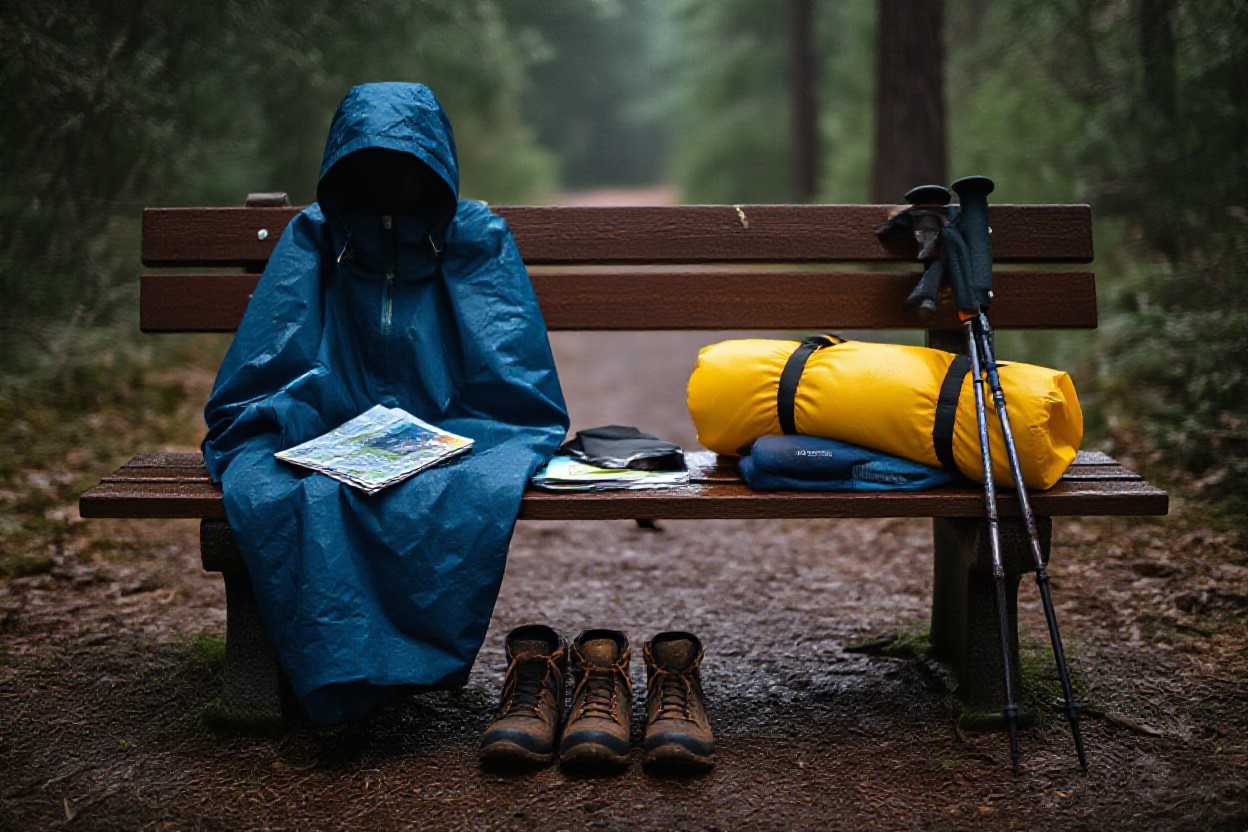
You know that smug feeling when you start a run in perfect sunshine… then 20 minutes later you’re getting slapped by sideways rain and a rogue gust that feels personal. Trail weather flips faster than your GPS can lock on, so you want layers that adapt as quickly as you do. A bit of smart weather protection keeps you moving when others bail, lets you push into sketchy-looking clouds, and turns “ugh” conditions into “yeah, that was epic” stories later.
Lightweight Waterproof Jacket
There’s that moment when the sky goes from nice to “are you kidding me” and your t-shirt instantly regrets its life choices. That’s when a lightweight waterproof jacket earns its spot in your pack. You want something actually breathable, packs down tiny, and shrugs off wind so you’re not freezing at the first exposed ridge. It lives in your vest, barely noticeable… until the weather goes full drama and suddenly it’s your favorite piece of gear.
Sun Protection Gear
One innocent-looking bluebird day can quietly roast you like a neglected marshmallow. Sun on high ridgelines hits harder, and you feel fine right up until your skin is glowing and your energy’s tanked. A light cap, buff, high SPF sunscreen, and maybe sunglasses that don’t bounce are your low-key armor. It sounds boring, but skipping sun gear can turn a dream run into a dangerous dehydration, headache, burnt-to-a-crisp mess.
I once finished a “short easy run” looking like I’d lost a fight with a toaster, and that’s basically the audition tape for taking sun protection seriously on trails. You think the breeze is cooling you, but really it’s just hiding how hard the sun’s cooking your skin. Up high, UV hits stronger, the reflection off rock and snow is sneaky, and your sweat actually makes burns worse.
So you load up on the simple stuff: SPF 30 or higher that doesn’t melt into your eyes, a cap or visor that shades your face, maybe a neck gaiter or buff you can yank up when the sun’s directly overhead. Sunglasses with decent coverage protect your eyes from that harsh glare that leaves you squinting at every switchback. And you keep tossing a tiny tube of sunscreen into your vest, because reapplying mid-run is way better than spending the night covered in aloe, wondering why sitting on a chair suddenly hurts.
So, What’s the Deal with Navigation?
You don’t really notice navigation gear until you’re lost in the woods thinking, well, this is awkward. Trail running isn’t just about fast legs, it’s about knowing where those legs are taking you. Your phone might bail when you need it most, so having proper nav tools is your safety net when things go sideways. When the trail vanishes, the light fades, or the weather flips on you, good navigation means you get a story to tell, not a search-and-rescue cameo.
GPS Watch
You’d think your GPS watch is just a fancy step counter, but on trails it’s more like your slightly bossy trail buddy. It quietly tracks distance, elevation, route, and then loudly tells you when you blew past that last turn. A solid GPS watch with breadcrumb navigation can keep you off sketchy terrain and out of the wrong valley. And yeah, it’s also fun to obsess over stats later while your legs are still pretending they didn’t suffer.
Map and Compass
You might feel old-school pulling out a paper map and compass, but that’s exactly why they’re so good. Batteries die, screens crack, signals vanish, but this little combo just keeps working. When the tech taps out, a simple map and compass can literally be what gets you back to the trailhead in one piece. It’s low-key gear that quietly saves the day when everything else throws in the towel.
What nobody tells you is that using a map and compass feels weirdly empowering in a world where every app is yelling directions at you. You spread the map out, line up your compass, and suddenly you’re not just following a line on a screen, you’re actually understanding the terrain you’re running through, the ridges, the valleys, the “oh, that’s why that climb hurt so much” moments.
Because once you know how to take a bearing and match landmarks to the squiggles on the page, you stop panicking when the trail splits or disappears under snow or leaves. You just pause, breathe, check your position, then carry on like you totally meant to do that. And the best part is, this stuff keeps working when it’s cold, wet, or pitch dark, which is exactly when things get seriously risky if you can’t find your way out.
You don’t have to turn into some hardcore orienteering nerd, you just need the basics so you aren’t blindly trusting a gadget that might tap out halfway through your epic loop. That tiny bit of skill turns your map from emergency paper into a legit superpower.
When it all goes wrong, your ability to read that map and use that compass is the difference between a sketchy night out and a funny story at the pub later.
Don’t Skip on Comfort!
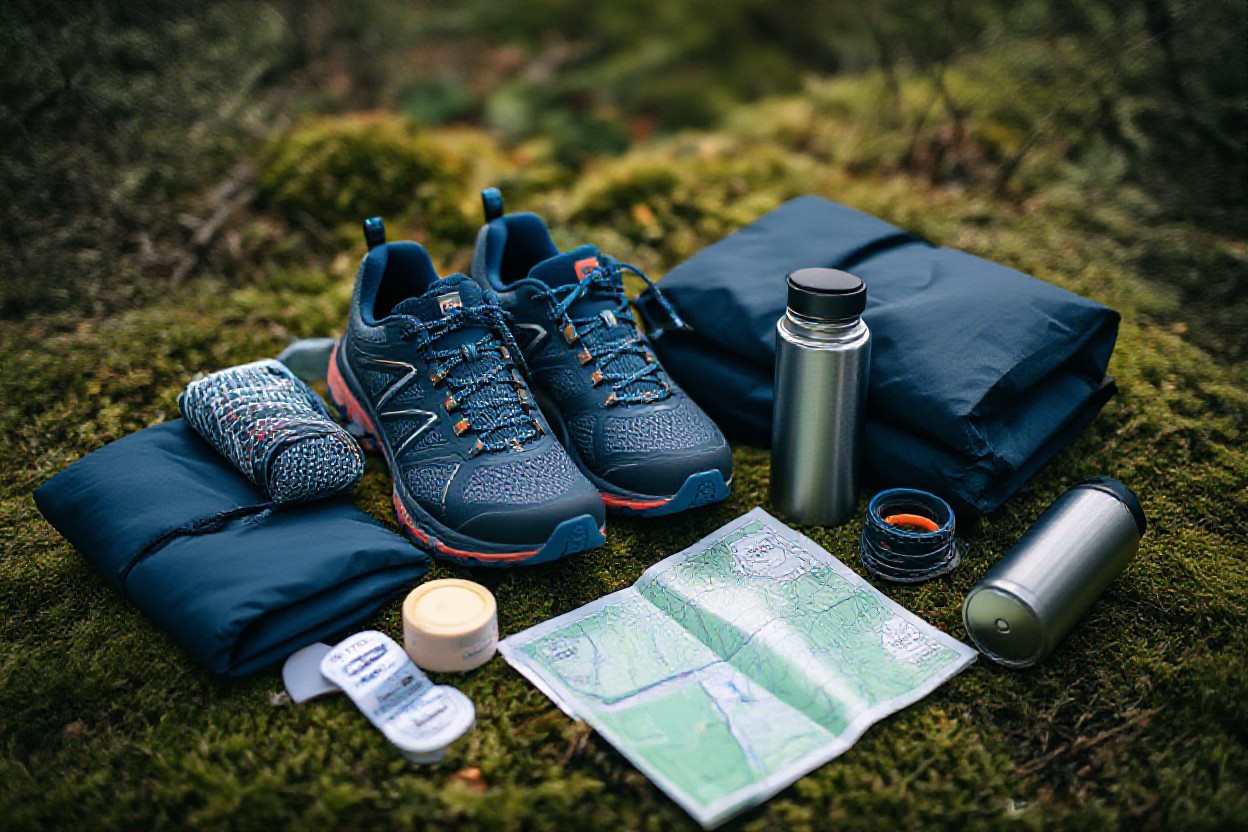
People act like trail running is just about grit, but if your gear rubs, chafes, or digs in, your “mental toughness” evaporates fast. You want shoes, socks, packs and layers that basically disappear so you can focus on the view, not that blister brewing on your heel. Prioritize soft, quick-drying fabrics, ventilation, and good fit over flashy features and you’ll run longer, happier, and far away from painful hot spots that can turn a fun day into a slow, limping retreat.
Running Socks
People think any old cotton sock will do, then wonder why their toes feel like they survived a horror movie. Trail-worthy socks give you blister protection, better moisture control, and fewer black toenails, which is a big win for such a small item. Go for synthetic or merino blends that hug your foot without strangling it, and you’ll feel the difference on long, wet, rocky days when your feet should be plotting a revolt but somehow stay happy.
Comfort-Fitting Hat
A lot of runners treat hats like an afterthought, just something you grab from the back of the closet, but on the trail your headgear quietly does a ton of heavy lifting. The right hat shields you from harsh sun, surprise drizzle, and even heatstroke-level conditions, all while wicking sweat so it doesn’t pour into your eyes every time you bomb a downhill. You want a light, breathable cap that sits snug without squeezing your brain, so it stays put when the wind kicks up or you’re ducking under branches.
With a comfort-fitting hat, you’re basically giving your head VIP treatment while the rest of you plays in the dirt. You get UV protection on exposed ridgelines, a tiny bit of warmth when the breeze gets feisty, and a barrier against bugs that seem determined to fly straight at your face which, on long runs, can keep you sane. And if you pick one with a soft, quick-drying fabric, you can soak it in a stream on hot days, throw it back on dripping, and feel that instant cool-down that makes you think, ok, yeah, you’ve got this.
Packed for Convenience
You don’t realize how much brainpower you waste digging for gels and keys until your kit is actually organized. When your gear’s dialed, you can just run, no random pocket rummaging mid-climb. A smart setup, like the options in this Trail running gear list: Off-road vitals, keeps snacks, layers, and safety bits exactly where you need them. Less fumbling means more focus on your footing, your pace, and, yeah, that stunning view you almost tripped over while trying to find your car key.
Running Belt or Vest
The funny thing is, the lighter your gear feels, the more stuff you can actually bring. A good running belt or vest hugs your body instead of bouncing like a sloshing backpack, so you can stash water, gels, and a tiny first aid kit without feeling like a pack mule. You get quick access to the things that actually keep you moving, and you don’t have to stop every mile to adjust straps that are cutting into your ribs.
Phone Holder
You might think your phone can just live in a pocket, until it starts doing gymnastics down your shorts with every stride. A proper phone holder keeps that little lifeline secure, sweat-protected, and reachable in seconds when you need maps, music, or to call for help. Plus, you won’t have to pull a weird hop-shuffle mid-trail just to stop it sliding down your leg.
What really changes the game with a phone holder is how it kills the constant low-key anxiety of losing your phone in the dirt somewhere at mile 7. You can run hard without that slap-slap in your pocket or the fear it’s going to eject itself on a downhill. Some wrap around your arm, some sit snug on your chest, others clip to your waistband – you’ll figure out what bugs you the least on longer outings. And if you ever need GPS or emergency contact info fast, having your phone exactly where you expect it can go from nice-to-have to seriously important in a hurry.

What About Your Back?
Your legs get all the glory, but your back quietly does the heavy lifting on every trail run. If your setup is off, you get chafing, bouncing, and that weird ache between your shoulders that ruins an otherwise epic day out. A smart pack setup keeps your water, snacks, and extra gear snug, so you move like a ninja, not a pack mule. Your back comfort pretty much decides how long you actually want to stay out there.
Lightweight Backpack
Your backpack should feel like a sidekick, not a punishment. Go for a lightweight pack that hugs your body so it doesn’t swing around on descents or smack you in the spine every step. Multiple pockets let you stash gels, soft flasks, and your phone where you can grab them without doing yoga mid-run. If your pack disappears from your mind after a few minutes, you nailed it.
Extra Layer for Warmth
Trail weather changes faster than your playlist, so an extra layer can literally be the difference between comfy and mildly hypothermic. Toss a thin, packable jacket or long sleeve into your bag and suddenly you’re not panicking when clouds roll in or the wind whips up on a ridge. It weighs almost nothing, but buys you a ton of confidence to go a bit farther.
When you’re far from the car and the sun dips behind a ridge, that extra layer for warmth turns from “nice idea” into “why I’m not shivering like a chihuahua”. A light synthetic or merino mid-layer handles sweat without staying soggy, and a windproof shell locks in heat when the temperature nosedives. You want something that stuffs into its own pocket, hides in your pack, then pops out like a magic trick when things get sketchy. Because on a long descent, when you’re sweaty, tired, and the air suddenly feels way colder than it should, that little bundle of fabric can keep your fingers working, your brain sharp, and your run fun instead of sketchy.
A Little Extra Support, Right?
People often think extra support gear is just for injured runners, but you know better – your body likes a bit of pampering too. When you start adding smart little helpers like sleeves, poles and other bits from guides such as Essential gear for trail running, your runs feel smoother and way less punishing. You’re not babying yourself, you’re simply giving your legs and joints a fighting chance. And that often means you can push harder, go longer and still feel surprisingly fresh at the finish.
Compression Sleeves
A lot of people think compression sleeves are just a fashion flex, but once you’ve bombed a downhill with them, you get it. They hug your calves, tame that wild muscle vibration and can help reduce post-run soreness so you’re not walking like a robot the next day. You also get a bit of extra warmth and a snug, supported feel that keeps you ticking over on long climbs. Basically, they’re like a quiet hype squad for your legs.
Trail Running Poles
Plenty of runners assume poles are only for hikers or ultra pros, yet the first time you tackle a steep muddy climb with them, you suddenly feel weirdly invincible. Poles spread the workload to your upper body, ease the battering on your knees and give you way better balance on sketchy terrain. They’re especially helpful when you’re tired, your stride’s getting sloppy and you need that extra bit of stability so you don’t take a dramatic dirt nap.
When you start using trail running poles properly, your whole rhythm changes – in a good way. You can power up climbs using your arms, keep your cadence steady on rolling sections and save your legs for when you need them most, like technical descents or late-race pushes. The catch is that bad technique can be pretty dangerous, you can trip yourself or stab a shin if you’re flailing around, so you’ve got to practice on mellow trails first. Once it clicks though, poles feel like cheat codes for long days in the mountains, especially when the weather turns, the rocks get slick and you still want to move with confidence instead of tiptoeing every step.
Let’s Not Forget the Basics
You know that run where your shoelace snaps, your lips feel like sandpaper, and suddenly you’re bartering with the trail gods for a tissue? That’s what happens when you skip the small stuff. The basics – like hydration, sun protection, bug defense, and simple comfort items – keep your day from turning into a survival story. You’re not just packing gear, you’re stacking the odds in your favor so the only drama is your pace, not your blisters.
Sunglasses for Eye Protection
There’s that moment when you hit a sunny ridge and your eyes start watering like you just watched a sad movie. That’s where good trail sunglasses swoop in and save the day. You shield your eyes from harsh UV rays, dust, and rogue branches, and suddenly you’re not squinting at every turn. Plus, you look like you actually know what you’re doing out there, which is a fun bonus.
Bug Spray for the Trails
You take two steps into that shady, swampy section of trail and boom – mosquitoes RSVP to the buffet that is your legs. A solid bug spray turns you from walking snack into untouchable legend. You’re not just avoiding itchy bites, you’re dodging ticks and mosquito-borne nasties that can wreck your season. One quick spray session and you get to focus on your stride instead of frantic swatting.
That shady section by the creek where the air feels heavy and you hear a faint buzzing? Yeah, that’s bug headquarters, and you’re the special guest unless you’ve got your bug spray dialed in. You want something that actually works on mosquitoes, black flies, and ticks, not a nice-smelling mist that lets them feast anyway. DEET and picaridin sprays usually hit hard, while some plant-based ones are great for shorter, less buggy runs.
And think about where you’re spraying – ankles, backs of knees, waistband, neck, ears, all the spots bugs love to sneak intoseriously dangerous with stuff like Lyme disease lurking around. So you toss a small bottle in your vest, maybe a wipe or two in a pocket, and reapply when the air starts to feel extra buzzy. Your future non-itchy self will be very, very grateful.
Final Thoughts, Right?
Last time I forgot my headlamp, I ended up shuffling down a rocky trail by phone light while my friends laughed and my ankles plotted revenge. That’s basically your trail life in a nutshell: when your gear’s dialed in, you feel unstoppable, when it’s not, you’re one silly mistake away from a sprained ankle or a long, cold walk out in the dark. Your kit is quietly doing damage control while you chase views and vert.
So as you zip up your pack and lace those shoes, think about how each piece lets you push a little farther without turning your fun run into a rescue story. The right footwear, hydration, and layers mean you can actually enjoy those technical descents and sketchy weather swings instead of just surviving them. Trail running’s supposed to feel wild and free – your gear just makes sure that freedom doesn’t come with unnecessary risk.
FAQ
Q: What trail running shoes do I actually need, and how are they different from road shoes?
A: The funny part is, your feet usually notice the difference before your brain does. Trail shoes are built to handle roots, rocks, mud, and weird angles, while road shoes are made for smooth, predictable pavement.
Good trail shoes have grippy lugs on the sole, sturdier uppers, and often a rock plate to protect you from sharp stuff underfoot. They usually feel a bit stiffer and more secure around the midfoot so your foot isn’t sliding all over the place when you hit a sidehill or loose gravel.
If your local trails are hard-packed and not super technical, a lighter, more flexible “door-to-trail” shoe is fine. But if you’re hitting steep, rocky, or muddy routes, go for deeper lugs, more protection, and a snugger fit around the heel so you’re not trashing your toenails on every downhill.
Q: How do I choose a running pack or vest without it bouncing all over the place?
A: The weird thing with packs is that smaller doesn’t always mean more comfortable. A well-fitted running vest that hugs your torso can feel way better than a tiny pack that flaps around the whole run.
You want a pack or vest that fits like a piece of clothing, not like a backpack. Soft, stretchy straps, multiple adjustment points, and wide shoulder panels help spread the load and stop that annoying bounce. When you try one on, fill it with water bottles or some weight and jog around – if it shifts or rides up, it’ll drive you crazy on the trail.
For shorter runs, 2-5 liters of storage is usually plenty. For long days, you might want 8-12 liters so you can stash a light layer, food, first aid, and maybe a filter. Front bottle pockets are gold because you can sip while running and easily see how much water you have left.
Q: What should I wear for trail running in terms of clothing and layers?
A: The surprise for most people is how quickly you go from “I’m freezing” to “I’m boiling” once you start climbing. Trail running clothing is all about managing sweat, temperature swings, and random weather mood swings.
Stick with moisture-wicking fabrics like polyester or merino wool for tops, sports bras, and socks. Cotton hangs onto sweat and will chill you to the bone once you stop moving. A light, breathable shirt and shorts are fine for warm days, but stash a super light wind jacket in your pack – that little thing can save a run when a breeze picks up on an exposed ridge.
In cooler weather, think in layers: a base layer that wicks, a thin mid layer if needed, and a packable shell for wind or light rain. If you’re going up into higher elevations, gloves and a thin hat or buff can make a massive difference in comfort without taking much space or weight.
Q: How much water and nutrition gear do I really need to carry on the trail?
A: Most runners underestimate this until that one day they run dry miles from the trailhead. Hydration and fuel can turn a sketchy slog into a pretty fun adventure if you set yourself up right.
As a rough guideline, a lot of folks aim for around 500-750 ml of water per hour, adjusting for heat, effort, and how much you sweat. On short runs under an hour, you might get away with just a handheld bottle. For anything longer, especially in warm weather or remote areas, a vest with soft flasks or a bladder is way more practical so you can sip little and often.
For nutrition, carry more than you think you’ll eat: gels, chews, bars, or real-food snacks like nuts or dates. Easy rule: one small snack every 30-45 minutes once you’re past that first hour. Toss in some electrolytes if it’s hot or you’re a salty sweater so you’re not just drinking plain water all day.
Q: Do I really need special trail running socks and gaiters, or are they just hype?
A: It’s kind of wild how much misery is caused by tiny grains of sand and badly chosen socks. You can have the perfect shoes and still end the run with wrecked feet if you ignore this part.
Trail socks should be snug, moisture wicking, and have a bit of cushioning in the heel and forefoot. Synthetic blends or merino wool are solid picks, and a slightly taller cut (crew height) helps protect your ankles from brush and keeps debris out better than invisible or low-cut socks. Seam placement matters too, so if you’re blister-prone, try different brands until something just works with your feet.
Gaiters are a personal preference, but they’re pretty handy on sandy, dusty, or rocky trails. Lightweight trail gaiters hook onto your shoe laces and cover the opening around your ankle, blocking pebbles and grit so you’re not stopping every mile to empty your shoes.
Q: What safety and navigation gear should I pack for trail runs, especially in unfamiliar areas?
A: The thing that catches people off guard is how fast a chill little outing turns into “uhh, where am I and why is it getting dark?” Safety gear feels overkill until the exact moment you need it, then it’s worth its weight in gold.
For navigation, at minimum, have an offline map on your phone and a backup like a small paper map or a GPX file on a watch or GPS device. Phones die, signals drop, batteries get grumpy in the cold. A tiny whistle, small first aid kit (blister care, bandages, tape), and a space blanket barely weigh anything but can bail you out of annoying or scary situations.
If there’s any chance you’ll be out near sunset, toss in a lightweight headlamp, even if you think you’ll be done early. Add sunscreen, a mini bottle of bug spray if your area needs it, and check local wildlife guidelines – in some places, carrying bear spray or knowing snake safety isn’t optional, it’s just smart.
Q: Are trekking poles, hats, and other “extras” worth carrying for trail running?
A: Some of the so-called extras are actually the stuff that lets you go farther without feeling wrecked afterward. Poles, hats, and little accessories can feel like overpacking at first, but they earn their spot pretty fast once you try them.
Trekking poles shine on steep climbs and long descents, especially on technical or loose terrain. They take some load off your quads, give you extra balance, and help with staying upright when you’re tired. Just pick lightweight, foldable poles so you can stash them quickly when the trail smooths out.
A good running hat or visor shields your face from sun and keeps sweat out of your eyes, and a buff can act as a neck warmer, face cover, or makeshift headband. Lightweight gloves, sunglasses with good grip, and even a simple waist belt for your phone and keys all fall into that “small thing, big comfort” category that makes trail days a lot more enjoyable.
